On the Birth of Science as We Know It: Thinking Out Loud: Thursday Economic History
Deep Dives
Explore related topics with these Wikipedia articles, rewritten for enjoyable reading:
-
Scientific Revolution
19 min read
The article frames the 1543-1687 period (Vesalius to Newton) as the birth of modern science. The Wikipedia article provides detailed context on the institutional, social, and intellectual conditions the author analyzes.
Why did science emerge—& persist—in early modern Europe? Instruments, math, & print: the bundle that built nullius in verba, the Republic of Science, and then modern science as we know it— why & how Europe’s geographic & élite fractures forged a method that made empircal curiosity about nature’s workings pay…
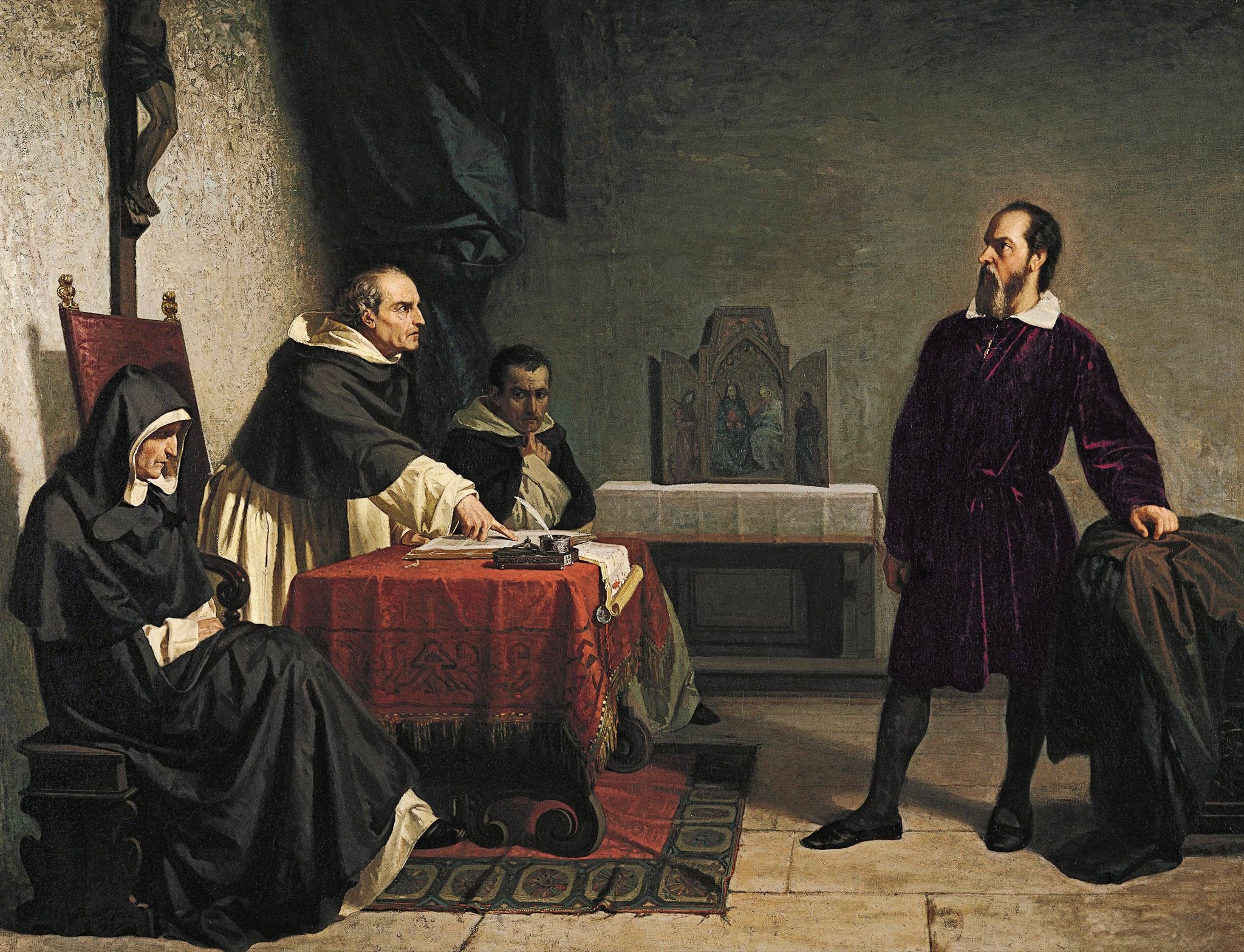
Science as we know it didn’t blossom in Europe by accident; it was subsidized by rivalry and craft. Add print, religion’s institutional shelters, and academies—and novelty suddenly could make a payroll. Earlier efflorescences had stalled; Europe’s persisted because it lowered the cost of verification. The bundle—artisans + math + print + institutions + more—made curiosity compounding because that specific bundle aligned incentives for empirical truth about nature rather than for the support of élite power.
Draw a line in the sand for “science as we know it”. The convenient dates are 1543 and 1687: Andries van Wesel—Vesalius—with his De Humani Corporis Fabrica and Mikołaj Kopernik—Copernicus—with his De Revolutionibus Orbium Coelestium as the front door, Isaac Newton’s Philosophiæ Naturalis Principia Mathematica as the oak-and-iron back gate, and in between the Royal Society’s nullius in verba: take nobody’s word for what is true. There and then a distinctive way of knowing—mathematico‑experimental, evidence‑seeking, increasingly public, and then institutionalized—was born in early modern Europe. It persisted, rather than sputtering out. Europe did not invent curiosity, or cleverness. It assembled a social machine in which curiosity could keep paying its own way. And for the first time cleverness was not tuned to elaborating the ideas in sacred texts, or to advancing ideas that were useful to the lords of the society-of-domination who ran its force-and-fraud exploitation machine. Cleverness was, rather, tuned to determining what worked out there in the world of nature.
We can see a knot of mutually reinforcing forces:
élite fragmentation and status‑competition that raised the payoff to being right;
a craft world of instruments that forced an interventionist epistemology;
a religious‑intellectual climate that, ambivalently but often positively, authorized empirical inquiry;
printing press-enabled networks that forged a public and logistics for ideas; and
institutions that lowered the cost of arriving at and maintaining stable belief.
These together made the Republic of Science more than a heroic efflorescence episode: they made it a going concern.
Fragmented Elites & the Political Economy of Being Right
Strong bureaucratic empires and unified élite cultures are excellent at assimilating improvements into “more of the same.” Early modern
...This excerpt is provided for preview purposes. Full article content is available on the original publication.