The Putin-Trump Pact is Afghanistan All Over Again, But With Much Worse Outcomes. The Big Five, 23 November edition
Deep Dives
Explore related topics with these Wikipedia articles, rewritten for enjoyable reading:
-
United States–Taliban deal
10 min read
The article draws direct parallels between the current Trump-Putin negotiations and the 2020 Doha Agreement with the Taliban. Understanding the specifics of that accord—its terms, implementation failures, and consequences—is essential context for evaluating the author's argument about repeating patterns.
-
NATO
15 min read
The article critically analyzes how the proposed security guarantee for Ukraine allegedly models itself on NATO Article 5 but with crucial qualifications that weaken it. Understanding the actual text and historical invocations of Article 5 helps readers evaluate this comparison.
-
Fall of Kabul (2021)
12 min read
The article references the 'final, chaotic and deadly evacuation' of August 2021 as the consequence of the negotiated withdrawal. This specific historical event illustrates the author's warning about worst-case scenarios following poorly structured peace agreements.

Europe has always supported efforts for a just, comprehensive and lasting peace in Ukraine. But for any plan to work, it needs Ukrainians and Europeans on board. In this war, there is one aggressor and one victim. So far, we haven’t heard of any concessions from Russia’s side. @kajakallas, 20 November 2025.
There are decades where nothing happens; and there are weeks where decades happen is a phrase regularly misattributed to Vladimir Lenin. But the thrust of the idea is entirely apt as we peer back on the past few days. In a stunning, although true-to-form move by the Trump Whitehouse, American and Russian interlocutors collaborated on a new Russia-America pact which is ostensibly about ending the war in Ukraine, but in reality is just as much about restoring the business relationship between Russia and the USA, and walking away from European security affairs. If implemented, it will also fundamentally change global security norms.
It would be tempting, in such a tumultuous week, to focus only on events related to Ukraine. But, events in Europe are indelibly linked to the security and prosperity of the Pacific region. And as we well know, the Chinese are experts at observing and learning from European wars. Thus, despite the focus on Ukraine in the update this week, I cannot neglect events in the Pacific region.
In the Pacific, the Chinese tantrum aimed at Japan has continued in the wake of the Japanese PM’s comments linking Japanese and Taiwanese national security. And, the new annual report by U.S.-China Economic and Security Review Commission found that a growing divergence between China’s English-language and Chinese-language propaganda about Taiwan might suggest that the CCP is taking the initial steps to prepare its people for the possibility of war.
Welcome to my weekly update on modern war and strategic competition.
Ukraine
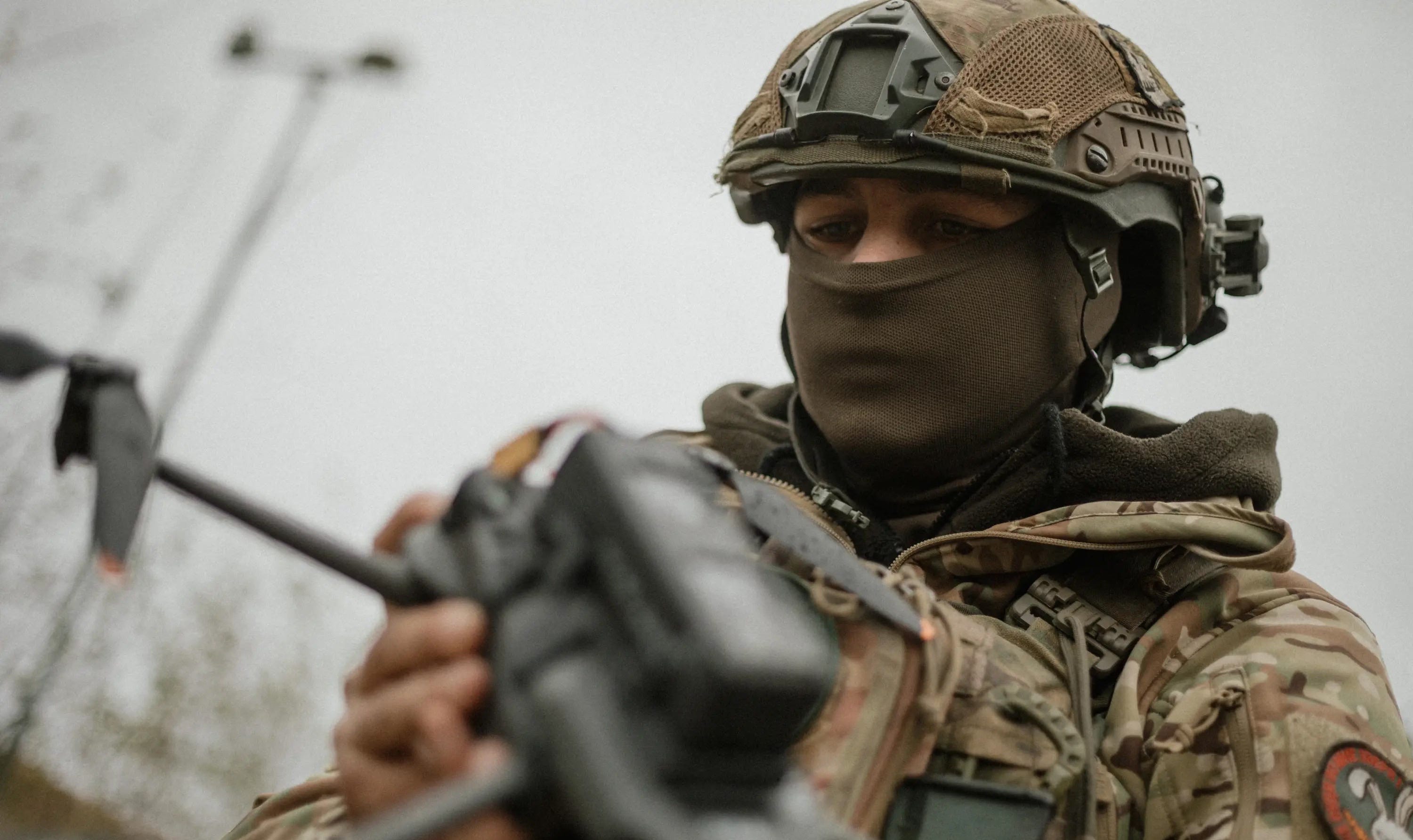
Not only would this plan cede territory, people, and assets to Russia; it also seems deliberately designed to weaken Ukraine, politically and militarily, so that Russia would find it easier to invade again a year from now, or 10 years from now. Anne Applebaum, 22 November.
The 28-Point Plan: Afghanistan as Prelude
Back during the first Trump administration, Trump representatives engaged in secret talks with the Taliban to end the war in Afghanistan. The outline of the deal was hashed out without any input from the Government of Afghanistan, which America
...This excerpt is provided for preview purposes. Full article content is available on the original publication.