Freedom in a Box
Deep Dives
Explore related topics with these Wikipedia articles, rewritten for enjoyable reading:
-
Josef Albers
14 min read
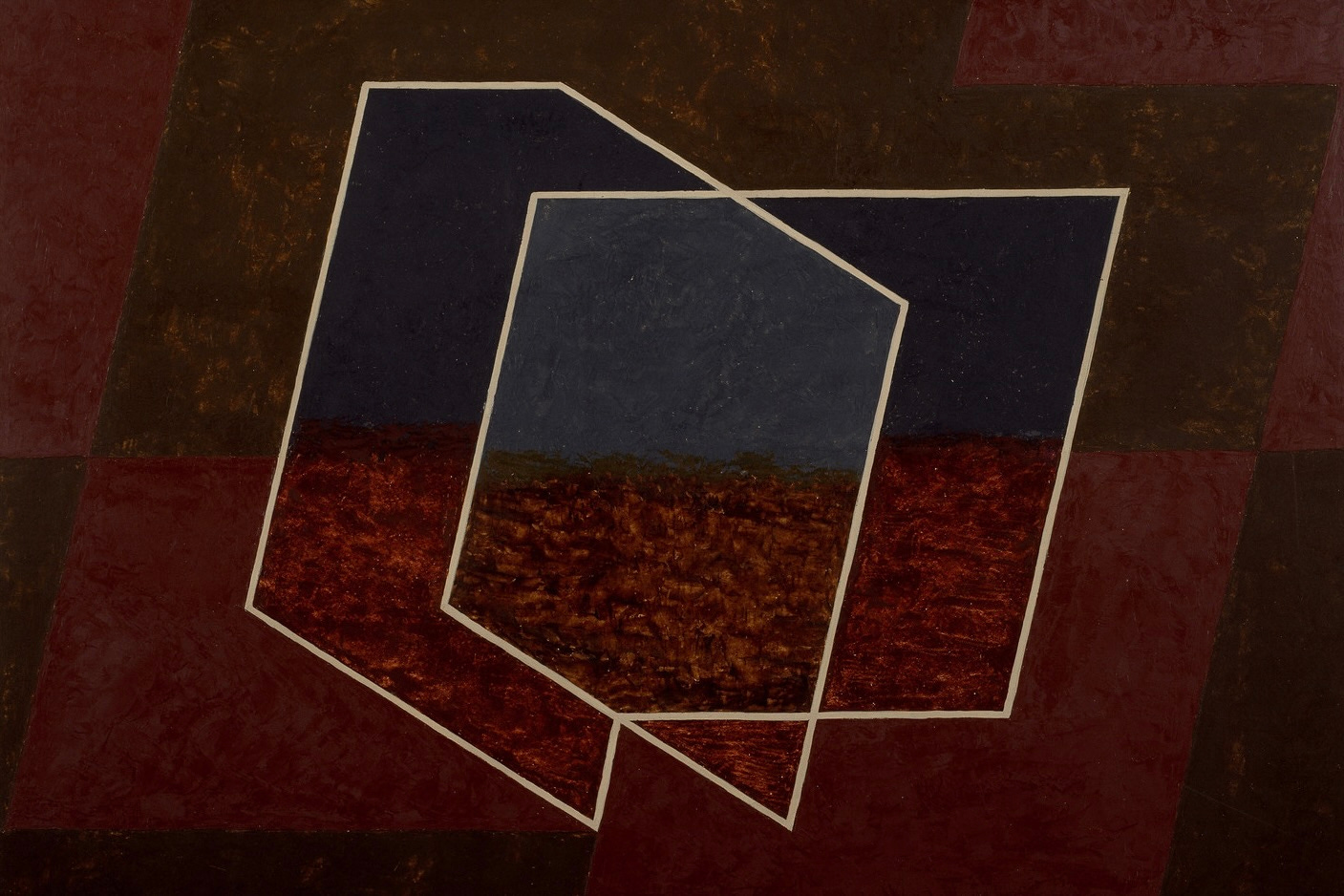
The article opens with a reference to Albers' 'Penetrating (B)' painting. Understanding Albers' theories on color interaction and his role in the Bauhaus movement provides essential context for the article's meditation on how art creates meaning within constraints—the 'freedom in a box' theme.
-
Dave Hickey
12 min read
The article directly quotes Hickey's concept of 'aridity and suspicion' in institutional art spaces. Hickey was a provocative art critic who championed beauty and criticized the academic art world—themes central to this essay's critique of hollow creative communities.
-
Zelda Fitzgerald
15 min read
The article invokes Elizabeth Hardwick's writing about Zelda to describe Rebecca's tragic arc—talented but unlucky, consumed by her association with a more famous partner. Zelda's story of artistic suppression and mental decline illuminates the novel's themes of creative destruction.
To the world we dream about. And the one we live in now.
—Orpheus, Hadestown
I spent the entire day at the Met and it wasn’t enough. Unsurprisingly, because of the sheer volume of pieces, and beyond that — endlessly more frustrating — because no later than lunch smoke was coming out of my ears. I was exhausted. I had tried to prioritize, to start easy on the second floor, strolling through the European paintings and focusing on the wings I wouldn’t have access to back home. But I got stuck in the drawings before the Europeans even started. I was in front of Matisse’s Jazz series and I couldn’t stop staring at them. Something stopped me dead in my tracks. In my case, the largest part of studying art history happened during Covid and meant memorizing measurements of all the objects we never actually went to see. Standing there I thought I felt what must have been the muse behind all of the books I’d read then, what must have kept every one of my professors sitting through staff meetings, to talk about lines on paper to half-empty lecture halls.
The dinner party in the New York Bowery loft that Zoe Dubno’s debut novel Happiness and Love is set in is significantly empty in a separate way: rather than attendees, it’s the muse whose invitation must have gotten lost. The protagonist, an unnamed writer, having once already escaped her circle of creative friends, entrepreneurs, multimedia artists, writers straining to be seen as miserable, intellectuals, children of “great, genuinely great artists,” has just returned from her self-imposed exile to find herself on the same seat she’d always inhabited: the corner seat of the white linen sofa. From her seat in the “conversational area,” we are let into the entangled histories of the attendees she hates to varying degrees, from nagging irritation to inveterate loathing. They present a type “made up of New York’s most successful artists, [who] fancied themselves to be great intellectuals for the sole reason that New York embraced them . . . .” Whatever she sees, hears, tastes, feels, and remembers triggers different associations. Refusing to engage, dissociating, she takes us back. Coming out of college, sick of theory on paper, she was looking for the measurements that she’d learned by heart in their alive
...This excerpt is provided for preview purposes. Full article content is available on the original publication.