The Mystery in the Manger
Deep Dives
Explore related topics with these Wikipedia articles, rewritten for enjoyable reading:
-
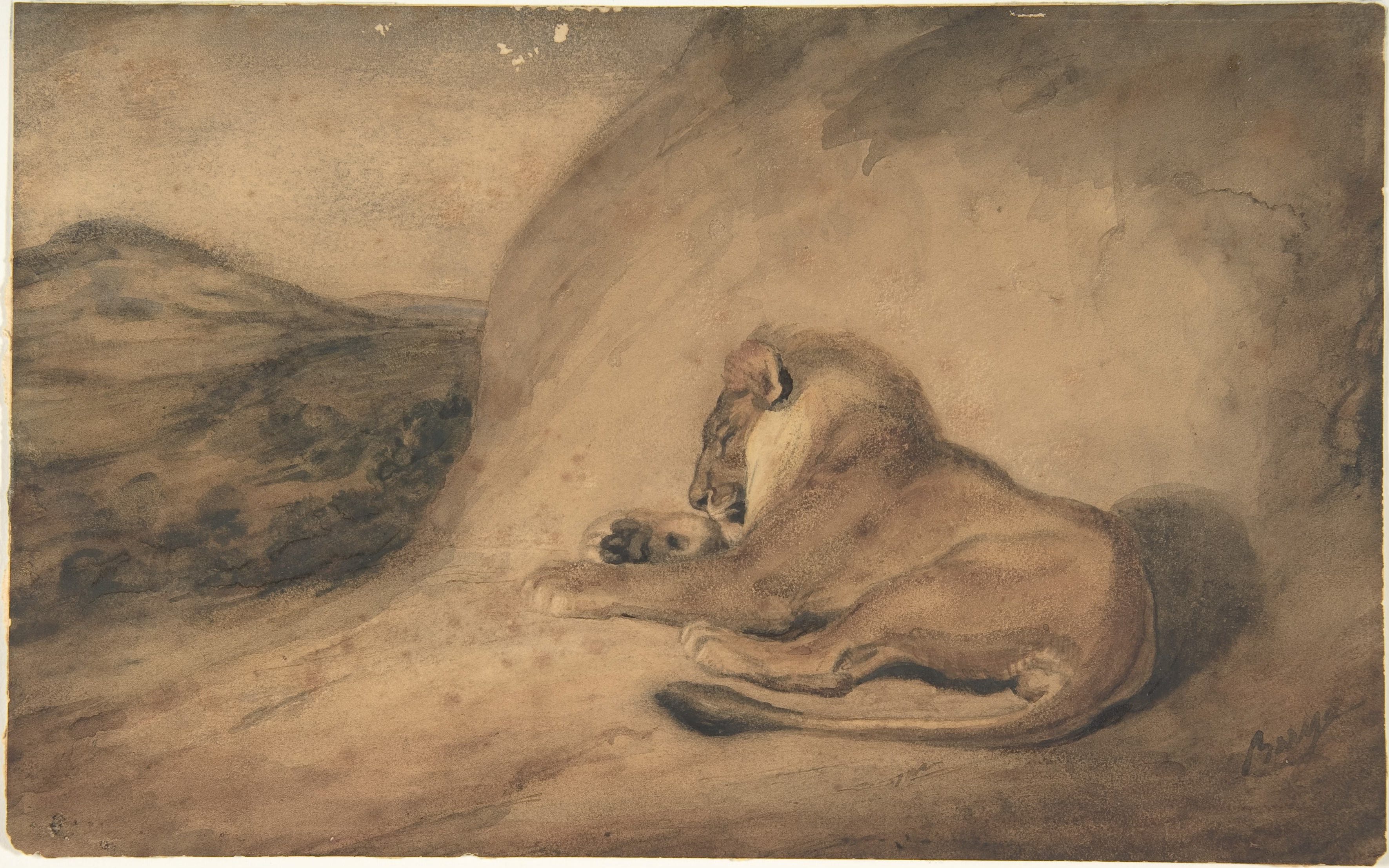
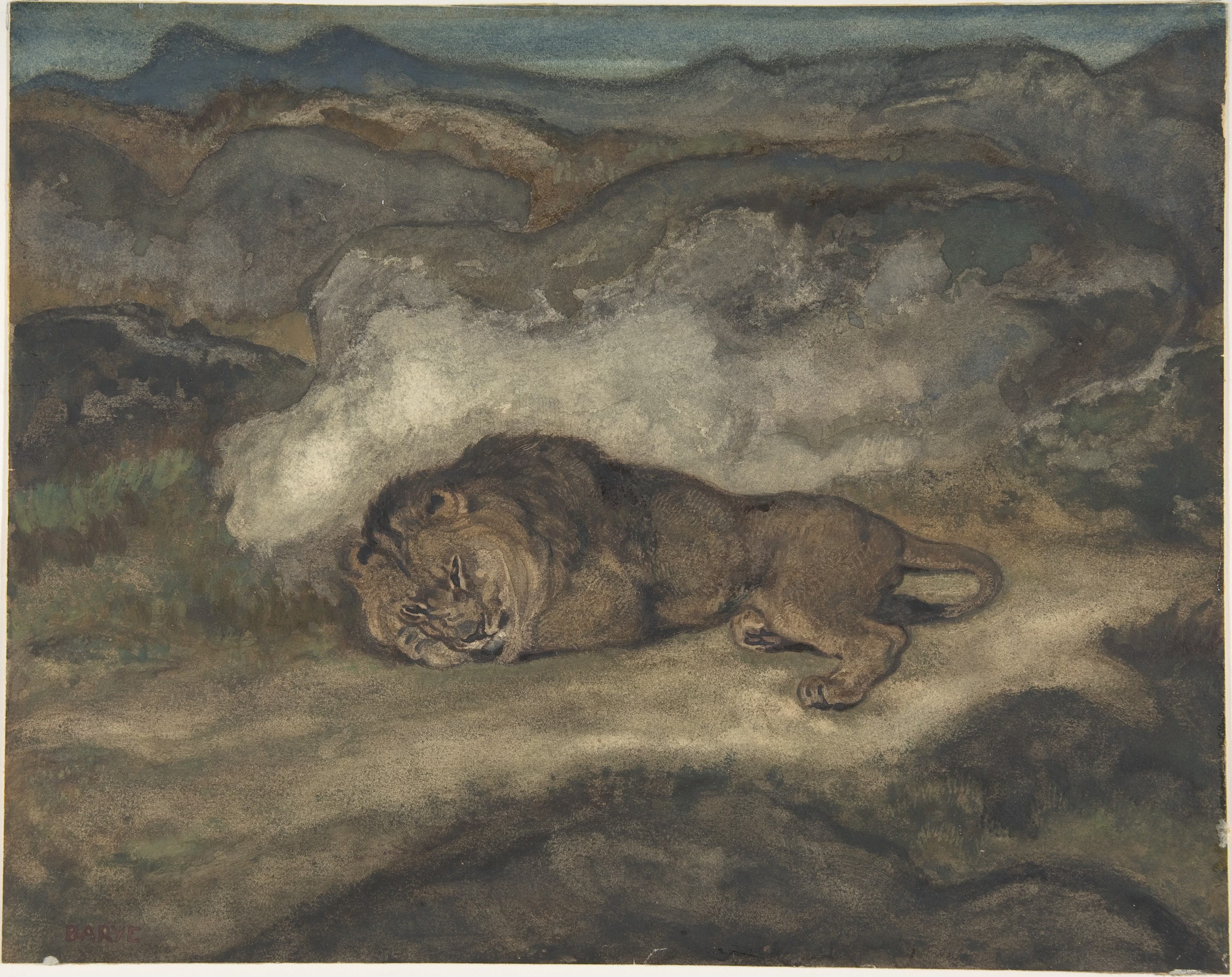
Antoine-Louis Barye
12 min read
Linked in the article (7 min read)
-
H. Richard Niebuhr
13 min read
The article directly references Richard Niebuhr's influential 1951 book and uses his framework to analyze different Latter-day Saint approaches to Jesus. Understanding Niebuhr's typology would give readers deeper context for the theological categories being discussed.
-
Kenosis
10 min read
The article quotes Philippians 2:6-7 about Christ 'giving up his divine privileges' - this is the biblical basis for kenosis, the theological concept of Christ's self-emptying. This provides crucial context for understanding the Incarnation discussion central to the article.
In the days leading up to Christmas, many Latter-day Saint families will unfold Nativity scenes from dusty newspapers, as my mother did, and stand shepherds on one side and wise men on the other. Then on Christmas Eve many of them will sit and listen to a grandparent or a bishop or a child in the ward Christmas program read from one or both of the two New Testament accounts of Jesus’s birth—one in the Gospel of Matthew, the other in the Gospel of Luke.
The Nativity scenes, of course, are a confabulation born of the page flipping required to merge the stories in these two Gospels. Matthew doesn’t mention shepherds, Luke doesn’t mention wise men; Matthew doesn’t say much about Mary, Luke doesn’t mention Joseph’s visions; there are no inns in Matthew and no stars in Luke.
It’s common to speculate that these Gospels are so distinct because they interpret Jesus somewhat differently. For Matthew, Jesus is the Hebrew Messiah; for Luke, his mission reaches past Israel to the world. And yet, for both, Jesus’s birth is utterly miraculous, announced by angels, and, to quote Luke, “impossible.”
Once you realize it’s there, it’s impossible to miss that the Nativity stories, and the Gospels that follow them, are threaded with the uneasy fact that what has happened in Jesus is incomprehensible.
Mary, his mother, is puzzled by the proclamation of his birth.
Herod, King of the Jews, is taken entirely by surprise.
The shepherds idle on the hillsides until the angels come to them.
And the Gospel of Mark does not describe Jesus’s birth at all. Jesus simply appears, suddenly, a mysterious preacher from Nazareth wielding miracles and proclaiming the kingdom of God. And he continually tells those he heals and teaches that they should not repeat stories about him, should not even tell anybody else about him. And in the oldest versions of Mark’s Gospel, he vanishes as strangely as he appears. These manuscripts of the Gospel conclude with the empty tomb, but no trace of the body within it.
Scholars of the New Testament will tell you that what we can know about the historical Jesus, the person about whom all the stories in the Gospels are told, is scanty, scraps and suppositions based on likelihoods and close readings that try to get past the contradictions among and blank spaces within the Gospels. But that lack can make
...This excerpt is provided for preview purposes. Full article content is available on the original publication.