The "Gone Too Soon" Movie Star Hall of Fame: A Statistical Analysis
Intro: The Lee Family Curse
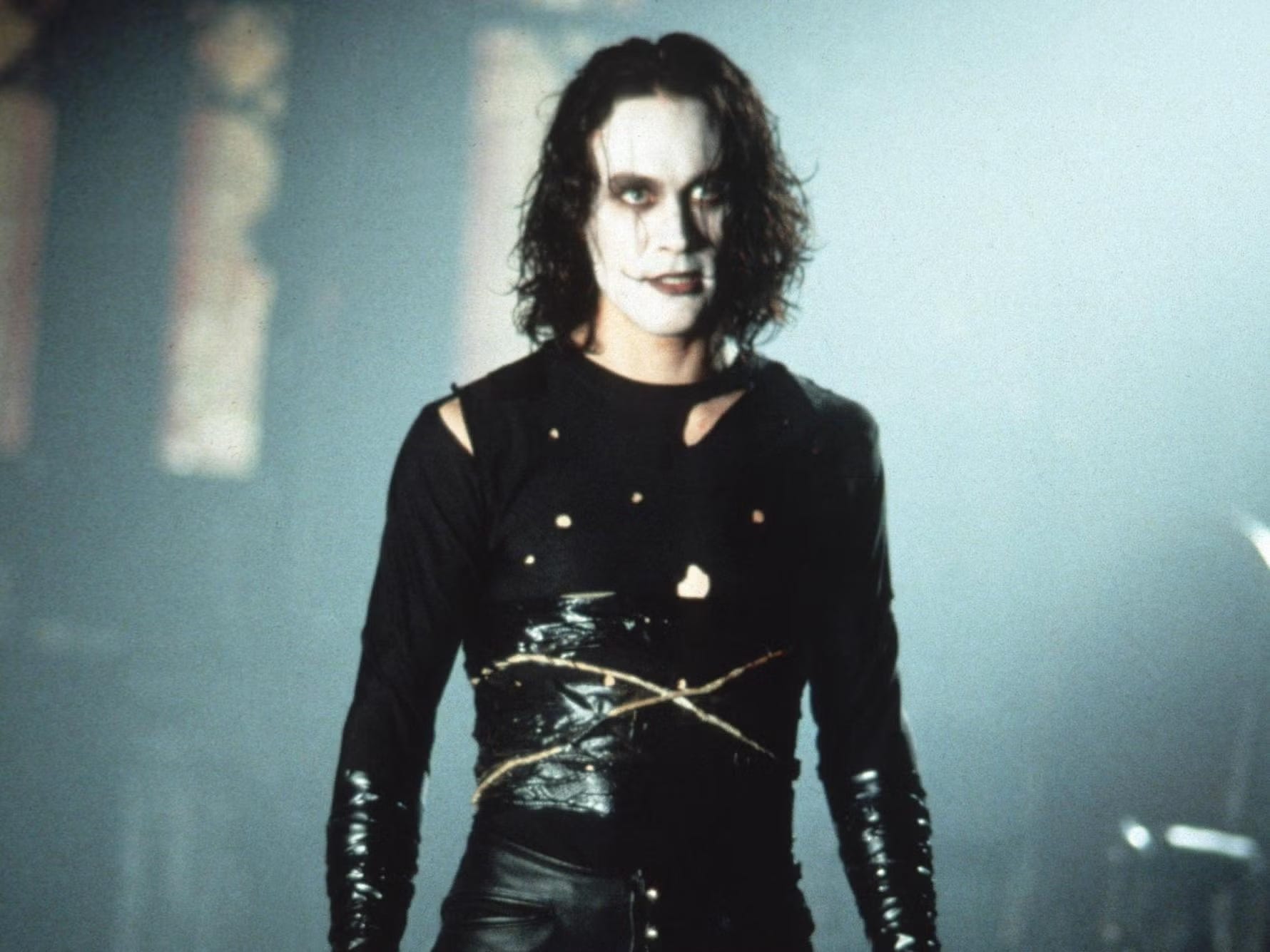
Brandon Lee may be the most notable actor to have starred in exactly one major Hollywood film. In 1993, while wrapping production on The Crow, Lee was fatally wounded when a prop gun—improperly prepared with a lodged bullet fragment—fired with the force of a live round. After a brief shutdown, production on The Crow was finished using stand-ins and visual effects, and Lee’s performance was praised as a tragic glimpse of a promising career. If you’re reading this and thinking, “Wow, that’s really sad.” Well, you’re correct—and it gets sadder.
Brandon Lee’s untimely death is rendered all the more tragic by his lineage: he was the son of legendary martial artist Bruce Lee. In 1973, Bruce Lee was on the cusp of global superstardom, having completed filming on Enter the Dragon—a movie that would (posthumously) launch him to international fame. Just before the film’s release, Lee died suddenly at age 32 after taking a painkiller for a headache and falling unconscious. The eerie parallels between his death and his son’s passing have elicited claims of a “Lee Family Curse.”
The father-son duo of Bruce and Brandon Lee are striking examples of actors “gone too soon”—beloved performers who died before reaching their cultural apex. The sudden, premature loss of a public figure (movie star, singer, generational politician) tends to linger in popular imagination, with their deaths endlessly memorialized and dissected for decades to come. In recent years, the rise of digital media has reshaped how we grieve these parasocial relationships, transforming the way people learn about, react to, and collectively mourn public tragedies.
So today, we’ll explore how public grieving has migrated online and use the data generated by these newfangled rituals to construct a pantheon of actors “gone too soon.”
Our Data Source: Wikipedia, The World’s Digital Burial Ground
Before Wikipedia, mourning a public figure’s death was shaped by media gatekeepers and the public’s attention span. A famous person would pass away, a few newspaper obituaries would run, a memorial might be erected (in a single location), and their work would resurface on TV for a week (maybe two). Then the grieving period would end, and that person would recede from public consciousness, survived by the occasional rebroadcast or retrospective, an encyclopedia entry, and perhaps an Elton John song written in
...This excerpt is provided for preview purposes. Full article content is available on the original publication.