In Common
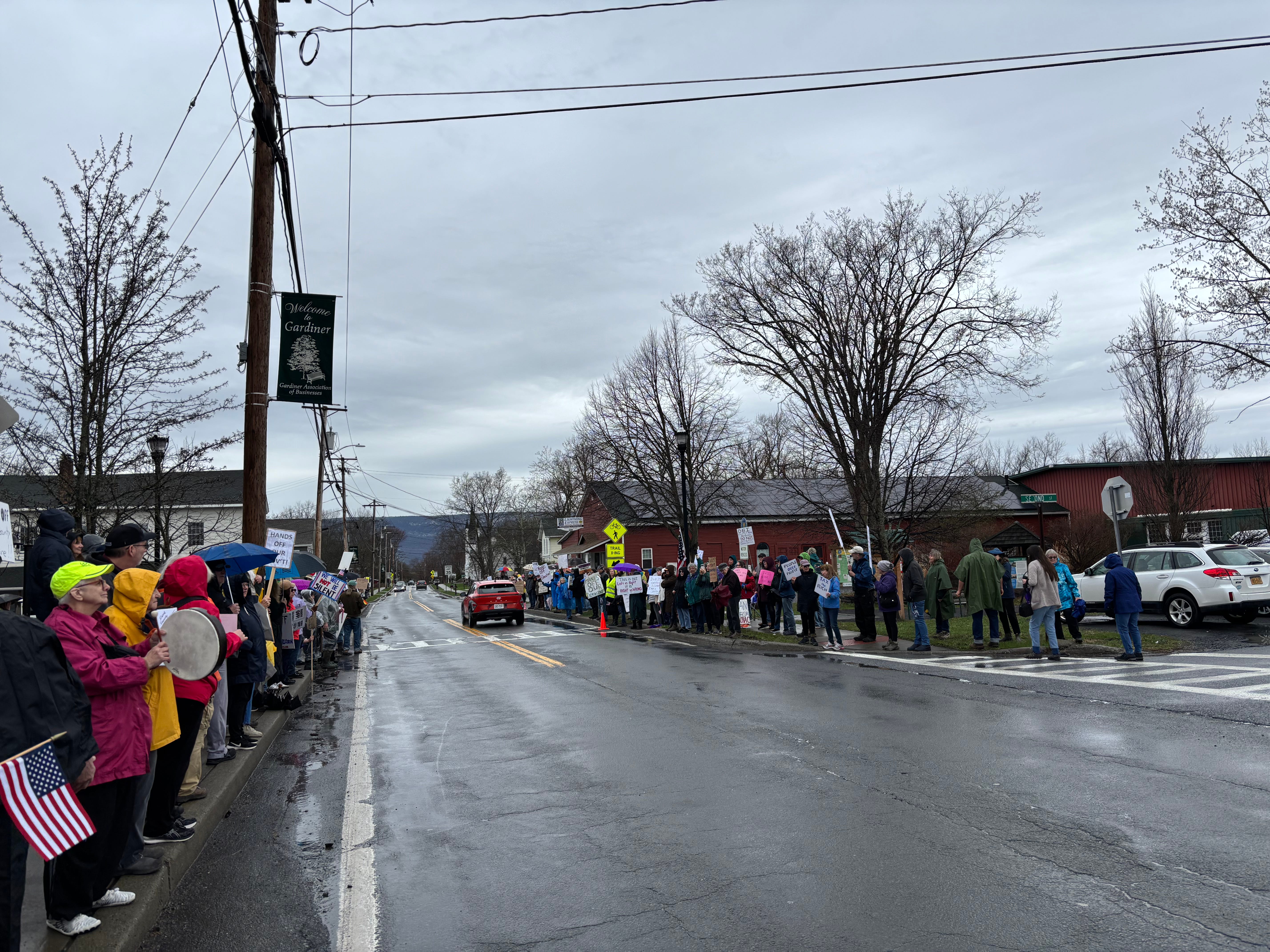
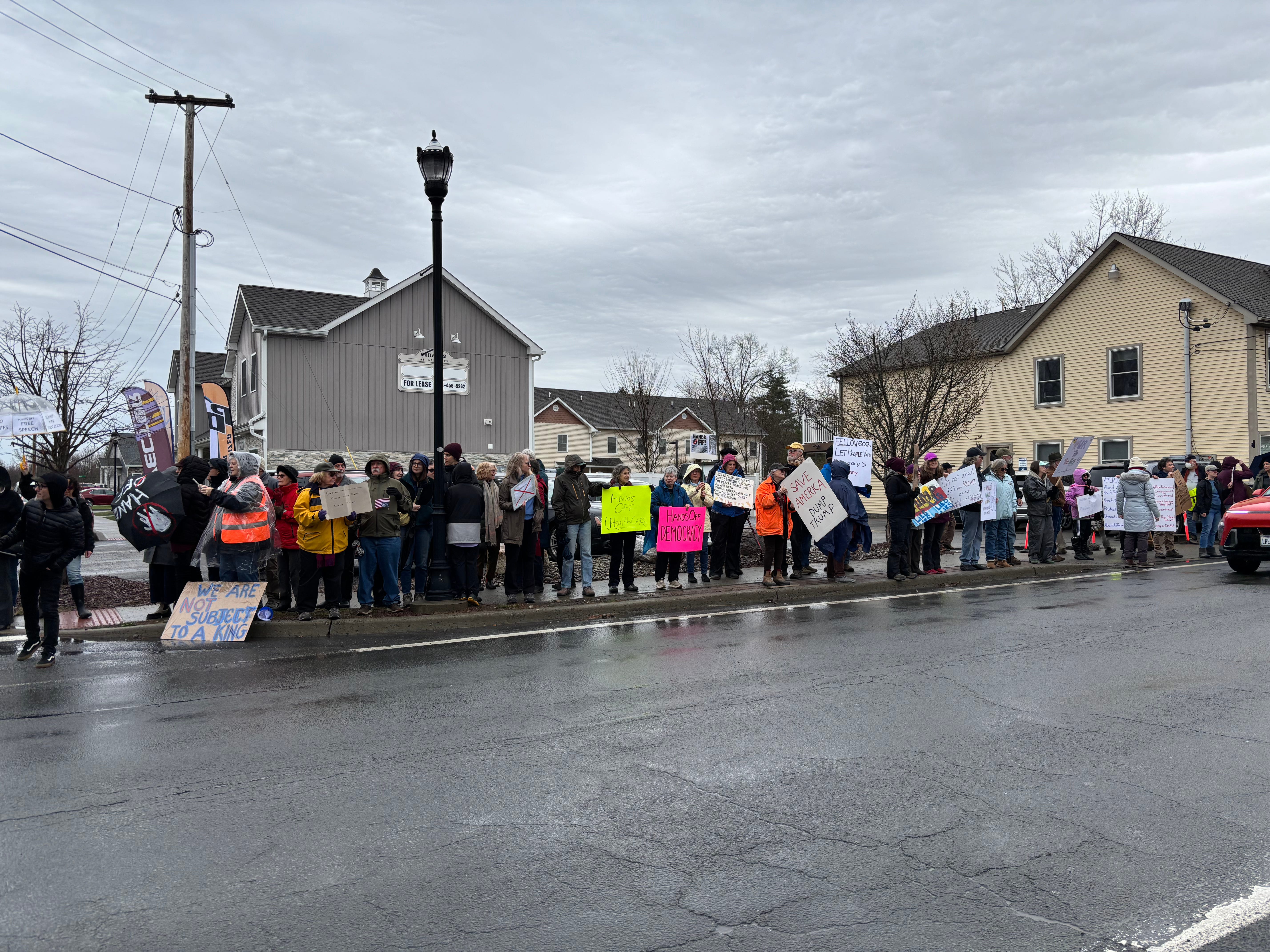

Americans gathered across the country on April 5 for the Hands Off! national day of action. I attended a crowded demonstration in the small town of Gardiner, NY.
In Common
The very brief history of the center and left of modern Western political theory goes something like this: liberalism insisted on human equality but got taken over by capitalism and imperialism; socialism insisted on human equity but got taken over by authoritarianism.
One of the best ideas to come from the tradition of liberal political theory is the belief in equality among human beings. A belief in equality demands an expansion of one’s circle of moral consideration; it’s not only myself, my group, and my nation who matter but all people.
However, liberalism has struggled to take this belief seriously. On a theoretical level, the value of equality has collided with the value most liberals place on property rights. Historically, many (though not all) liberals have made common cause with capitalism and imperialism, subordinating the principle of equality to a reality of economic and social inequality. It was, of course, a slaveholder who wrote in this country’s Declaration of Independence that “all men are created equal.”
One way of thinking about socialism is that it emerges from the same principle of equality as liberalism, but tries to put this principle into practice more effectively by taking into consideration the structural factors that prevent equality from being a reality. By opposing capitalism and imperialism, socialists strive to create not only a formally equal but concretely equitable world. Economic inequality is seen by socialists as a barrier to real equality, and the socialist tradition at its best also strives to eliminate the structural roots of racism, sexism, homophobia, and other forms of oppression. The authoritarian turn that socialist states have usually taken is a serious problem for socialists to reckon with, but I don’t think the principle of equity is to blame.
Socialists differ on the philosophical reasons for why their political project is worth pursuing, but perhaps the strongest reason is accomplishing the liberal goals that liberalism itself has not been able to realize. If the world is to be truly equal, it actually has to be equitable.
Equity requires taking into account both objective and socially constructed differences between people in order for society to begin treating marginalized groups fairly. But these differences do
...This excerpt is provided for preview purposes. Full article content is available on the original publication.