EMERGENCY POD: Iran + Anthropic
To discuss America’s brand new war — plus Hegseth vs Anthropic — we are joined by Emmy Prabasco from CSET, Henry Farrell of Johns Hopkins, Penn professor Mike Horowitz, and Bryan Clark from the Hudson Institute.
Our conversation covers…
The role of “precise mass” on both the US and Iranian sides,
Why the IRGC can keep fighting despite leadership decapitations, and whether US operations will lead to protracted conflict,
What China is learning by watching the US military in action,
How Anthropic’s red lines would fit into the culture of the Pentagon,
How China benefits from Anthropic’s blacklisting.
Listen now on your favorite podcast app.
We’re holding the $3000 ChinaTalk economic security essay contest open until midnight EST on March 8th. And if you want to write for ChinaTalk about other stuff, read this!
Also, good job alert: ‘Part-Time Analyst Role at a Stealth-Mode China Tech OSINT Startup’—the founder I respect tremendously. Apply here.
A Theory of Victory (?)
Jordan Schneider: Mike, let’s start with you. This is our first major American precise mass campaign, right?
Mike Horowitz: I don’t know if I’d call it a precise mass campaign. What’s notable is that the United States used a system called the LUCAS, which is America’s first precise mass system. It costs less than $100,000 and can travel a couple thousand kilometers. You can shoot it down, but you have to try.
Ironically, it’s reverse engineered from Iran’s Shahed 136 — effectively using Iran’s own technology against them. Though Iran itself copied some West German tech from the ’80s to design the Shahed, so what goes around comes around.
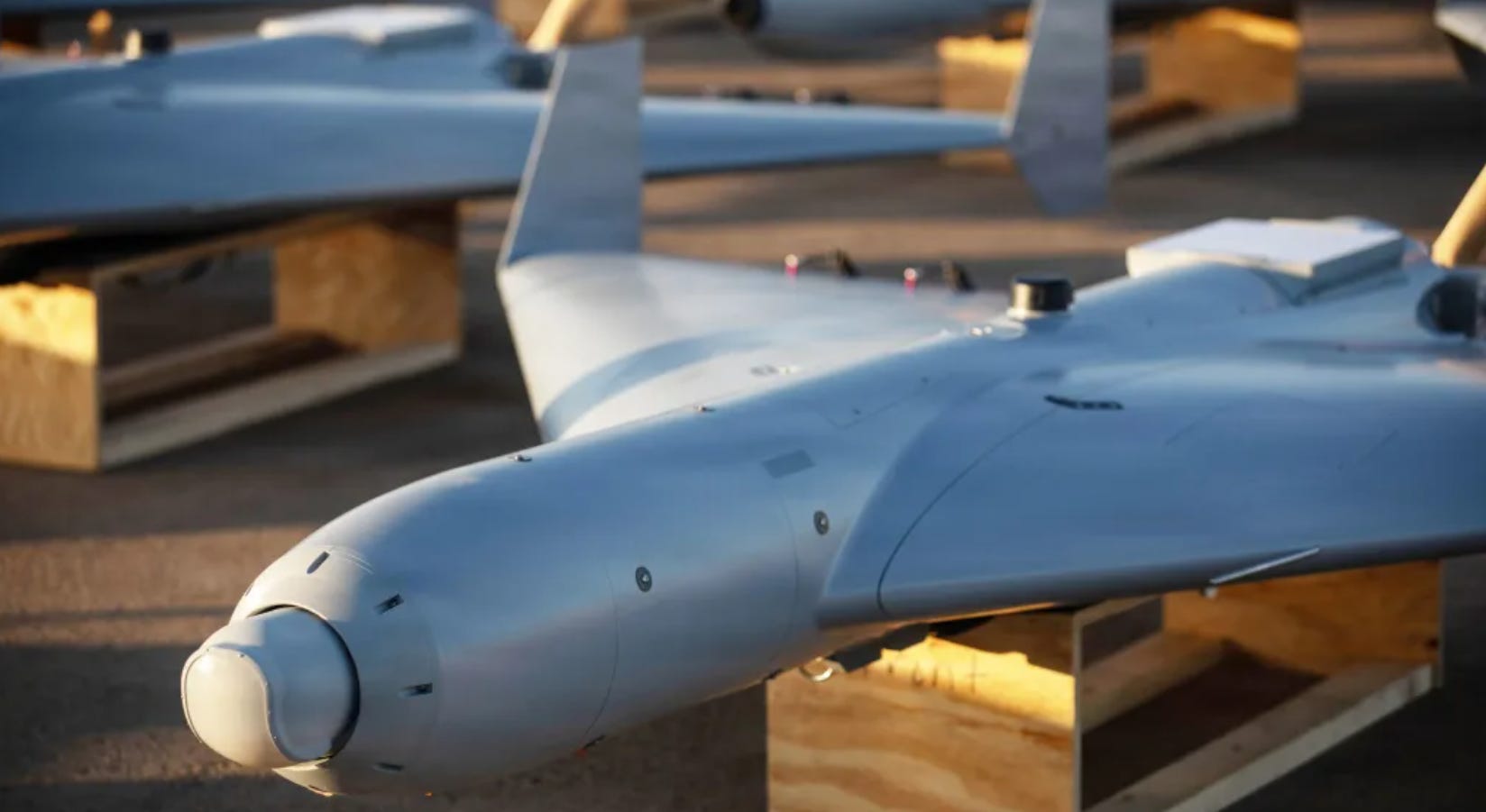
From a military technology perspective, it’s interesting to see the mix in the Iran operation. We’re seeing American legacy strike capabilities like Tomahawk missiles alongside emerging capabilities like the LUCAS. Claude is even in the mix — who would’ve thought after Friday’s events that Claude would enter the chat so early?
Jordan Schneider: Let’s start at the strategic level. I was discussing with someone how Pape’s “Bombing to Win” captures much of the 20th century story — bombing people doesn’t always get you what you want. But the difference between bombing in 2026 versus 1943, or most of the 20th century, is that now you can actually kill all the people who run the country.
I asked Claude for historical comparisons of killing leaders without invading. It gave me
...This excerpt is provided for preview purposes. Full article content is available on the original publication.