How Russia split my family over Christmas
Deep Dives
Explore related topics with these Wikipedia articles, rewritten for enjoyable reading:
-
Organization of the Eastern Orthodox Church
13 min read
Understanding the hierarchical structure of Orthodox churches, the concept of autocephaly, and how the Moscow Patriarchate maintains influence over subordinate churches provides essential context for the family conflict described in the article
-
Sergius of Radonezh
13 min read
The article references the Russian Orthodox Church's role in cementing Russian ideology. Sergius is the patron saint who blessed the 1380 battle against the Mongols, establishing the template for Russian Orthodox nationalism and the church-state fusion that continues today.
Editor’s Note:
LAST CALL!
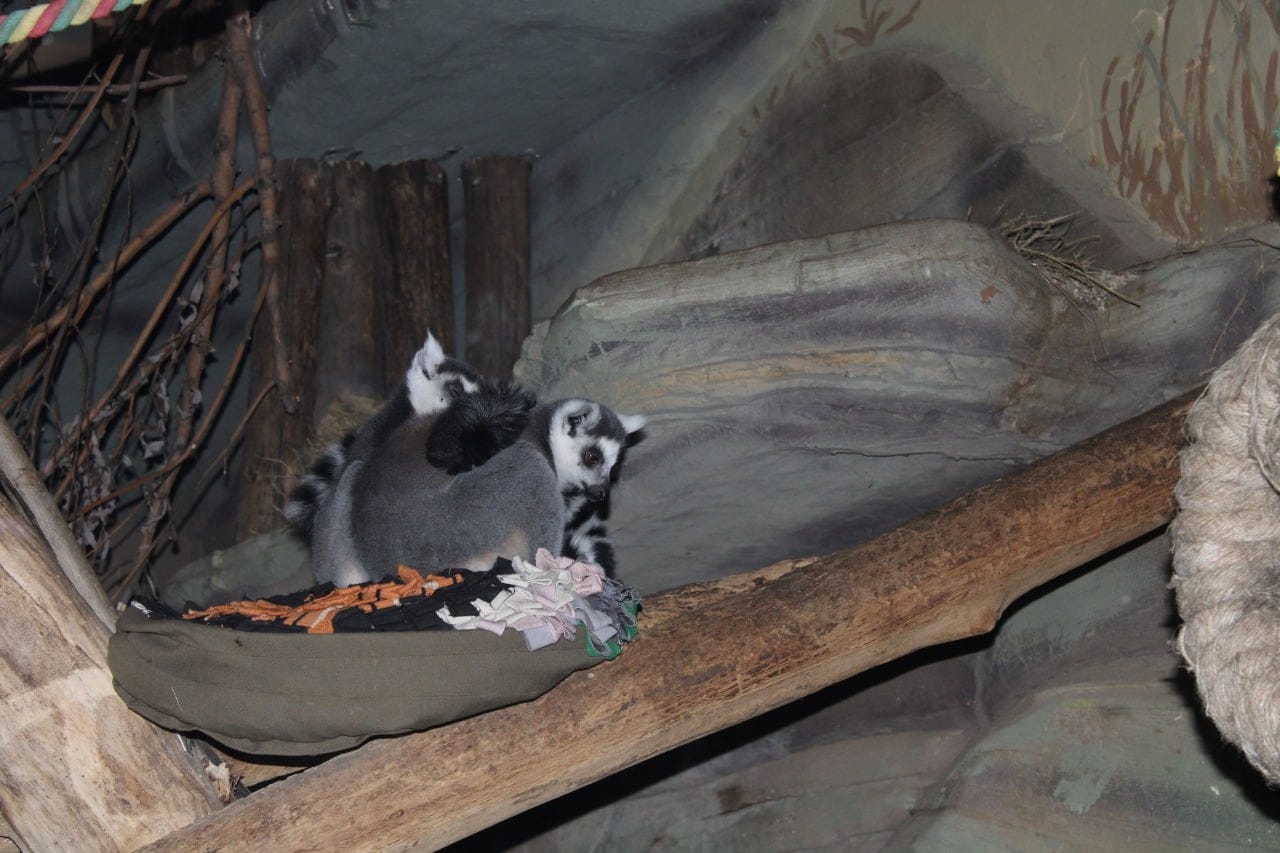
Want a Ukrainian tiger, crocodile or camel to greet you every day of the year?
We’re announcing our new 2026 Wild Animals of War calendar! If you’re a free subscriber, upgrade to an annual plan today and get one for free. We’re printing a limited run only:
Already a paid subscriber but still want a calendar?
LAST CHANCE: Snag one for a suggested donation of $90. (Our printing/mailing costs are about $25). Get one here!
For the past four years, I have loved Christmas. My family reunites in our hometown after long weeks of separation, sets the table with clay dishes, and annoys the neighbors with rumbling laughter.
But the joy is short-lived. My mother’s gaze shifts toward my grandmother, who, instead of a festive dinner, declined to celebrate. Christmas has not yet arrived for her.
Within seconds, accusations will begin: specifically, that my grandmother is continuing the traditions of “Russian agents.”

Most of the world celebrates Christmas on December 25. But Ukraine, until recently, followed Russia’s lead, marking it on January 7. The shared religious calendar was one of the tools used to sustain the myth of Slavic unity, allowing Moscow to maintain its influence long after Ukrainian independence.
The war has accelerated Ukraine’s separation from Russia, including through religion. Celebrating Christmas on December 25 was another step toward aligning with the West. and a process of decolonization.
But this shift came with consequences. For thousands of families, including my own, Christmas is not only a time of reunion but also a source of arguments.
I have personally witnessed how Russian influence can quietly take root, even among those closest to us. It often reveals itself in fierce resistance to returning to our own Ukrainian traditions, even among people who consider themselves patriotic.
There is tragedy in this for every such family: a holiday that typically unites people has instead become a source of division — and a weapon in Russia’s hands.
I witnessed this chasm with my own eyes.
In the spirit of Christmas, this article will not be paywalled. Still, it’s our last call: upgrade to an annual plan and get our 2026 calendar!
This excerpt is provided for preview purposes. Full article content is available on the original publication.