Dogs Are Replacing People, and the Social Consequences Are Scary
Deep Dives
Explore related topics with these Wikipedia articles, rewritten for enjoyable reading:
-
Human–canine bond
11 min read
The article centers on the intensifying emotional relationship between humans and dogs, discussing how this 11,000-year co-evolution has shifted from pet ownership to 'pet parenthood' - this Wikipedia article provides the scientific and historical foundation for understanding this bond
-
Anthropomorphism
18 min read
The article explicitly discusses pet humanization and treating dogs like people, referencing studies showing isolated people are more likely to anthropomorphize animals - this concept is central to understanding the psychological phenomenon described
-
Social isolation
13 min read
The article discusses the 'crisis of social fitness' and how people are retreating into 'self-imposed solitude,' with declining marriage rates, falling birth rates, and less time spent with friends - this provides crucial context for why pet relationships are intensifying
iStock / Emery Forbes
This story was originally published on thewalrus.ca
Recently, my friend Oren was mulling over a quandary. “If some eccentric billionaire came up to me and was like, ‘That’s a great dog, I want to buy him. What does he cost?’ I don’t think there’s a number that exists,” he said about his beloved Australian Shepherd, Crosby. “Would I sell him for, like, $10 million? I absolutely would not. The entire reason for having $10 million would be to take Crosby on a boat to Europe or something like that.”
Crosby is Oren’s best friend. (Like all other pet owners mentioned in this story, Oren asked that he and his dog be referred to by pseudonyms.) “It’s such a singular relationship,” he says. Crosby has severe separation anxiety, so Oren and his partner can’t leave him alone for more than ninety minutes at a time unless they arrange for a sitter or daycare. Their dynamic is not dissimilar to that of parent and child. Crosby “has just completely upended our social life,” Oren says. And like any attentive parents, they’re attached to their baby. “I prioritize things I can do socially where I can bring Crosby too,” he says. Crosby comes to barbecues and park hangs and is a tail-wagging fixture at their neighbourhood wine bar in the summer.
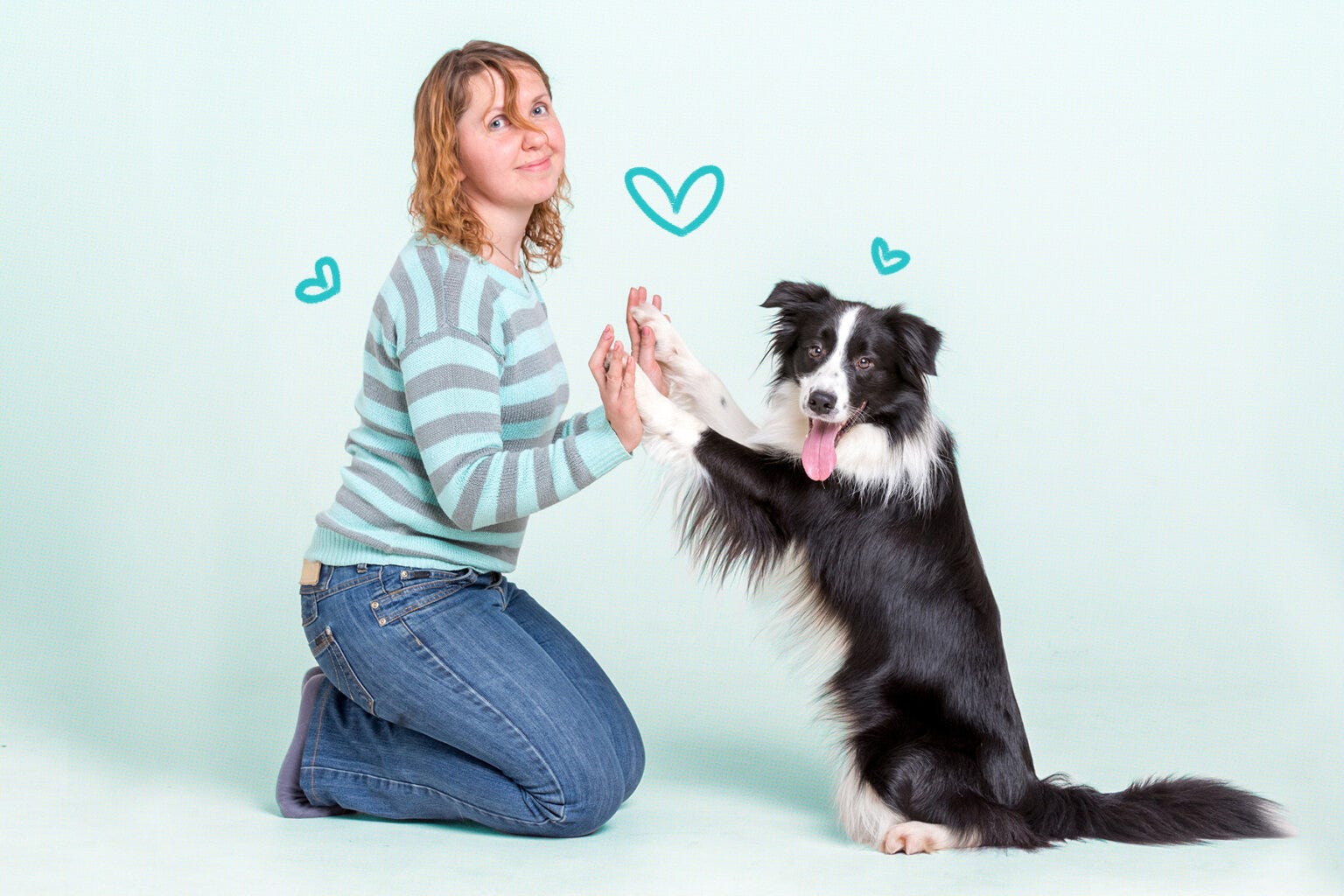
In my friend group of thirtysomething yuppies, most are married, and many have kids. An eavesdropper on our dinner conversation probably couldn’t say for certain whether we’re talking about Beagles or babies. At least not from the way we discuss these pooches’ personalities and prescriptions, or trade tales of digestive disasters. An obsession with one’s pet was once a hallmark trait of eccentric sitcom characters. But if the question “Who rescued who?” used to induce eye rolls and forced smiles, today, it elicits earnest nods of recognition. Dog owners have become the kind of people we used to make fun of: pet parents.
People were humanizing their pets even before the pandemic adoption boom, with owners pampering their pooches with massages, hotel stays, and gourmet food. But the trend has intensified, shifting the relationship to a new emotional register—from pet ownership to pet parenthood. Today, “pet parent” is a social identity worthy of marquee status in an Instagram bio or a Hinge profile—and a new consumer group fuelling a growing market expected to surpass half
...This excerpt is provided for preview purposes. Full article content is available on the original publication.