In Defence of What, Exactly?
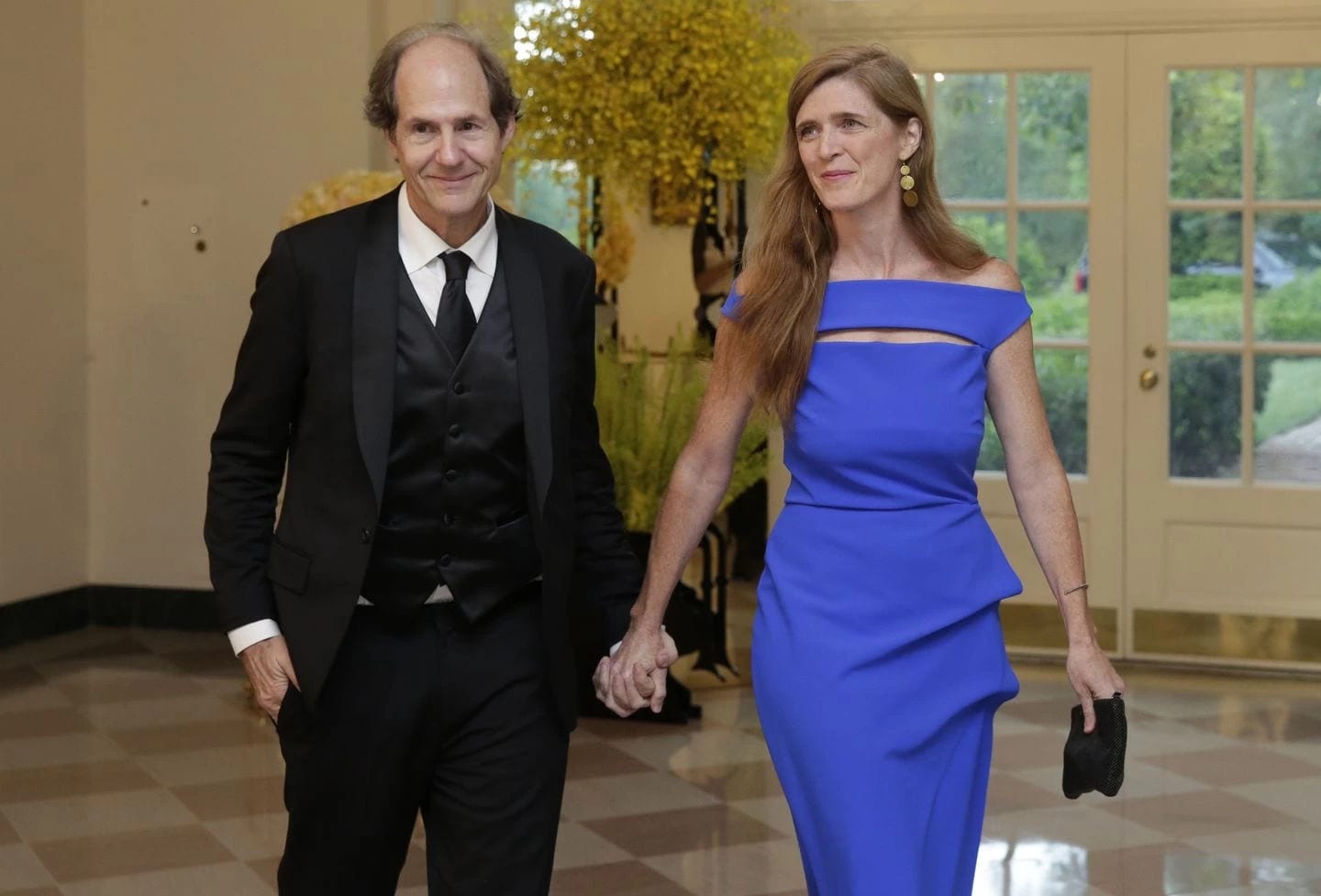
Cass Sunstein has just published a new book called On Liberalism: In Defence of Freedom. If you’re unfamiliar with Sunstein, he’s a well-known Harvard Law professor was once a significant figure in the Obama administration and is married to former American UN Ambassador (and purported “humanitarian superstar”) Samantha Power. In other words, he’s someone who hails from the most elite tier of the liberal intelligentsia. This, in and of itself, is a fun thing to chew on given that he’s also been known to write incandescently stupid articles like this:
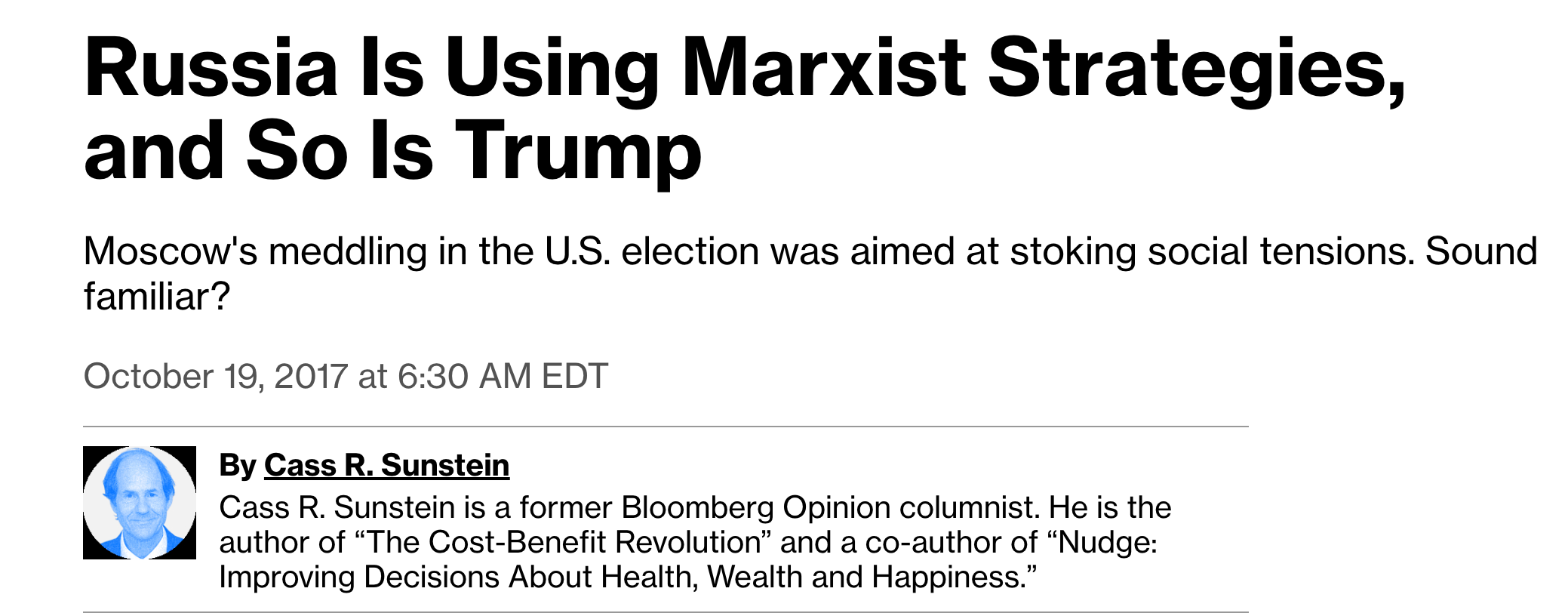
In any case, I haven’t yet read Sunstein’s new book. But, based on the description offered by the New Yorker’s Isaac Chotiner at the beginning of his latest interview, I feel like I already have:
Sunstein has written a new book, called “On Liberalism,” which is a defense of the idea of liberalism at a time when Sunstein believes it is under threat from both the right and the left. The book barely mentions Donald Trump or contemporary politics, however, and instead provides a defense of a general liberal belief system, which Sunstein breaks down into eighty-five features. Sunstein’s conception of liberalism is quite capacious; it includes New Deal liberals and so-called classical liberals, including Friedrich von Hayek and Robert Nozick, as well as politicians such as Ronald Reagan.
What Chotiner describes here builds on a New York Times essay of Sunstein’s from November 2023 which I wrote about in Jacobin (and which follows below). Reading the interview itself, by the way, only affirmed my existing view that Sunstein is an intellectual mediocrity. The vision of liberalism he offers Chotiner is politically and philosophically all over the place, and I’d argue the only thing that really holds it together is less a coherent set of moral and ethical commitments than the deep sense of solidarity the author feels with fellow elites across the partisan divide.
Incidentally, the part of the interview that most seems to be making the rounds on social media comes when Chotiner asks his interlocutor about his and Power’s mutual friendship with the butcher of Cambodia himself, Henry Kissinger. Truly, it’s an exchange that must be seen to be believed.
An excerpt:
...CHOTINER: In terms of human rights, I’ve always found it a little bit puzzling, given what you write, and given who your wife is, that you two were so
This excerpt is provided for preview purposes. Full article content is available on the original publication.