Did Las Vegas get too greedy?
Deep Dives
Explore related topics with these Wikipedia articles, rewritten for enjoyable reading:
-
Operant conditioning chamber
13 min read
Linked in the article (7 min read)
-
Baccarat
12 min read
The article highlights baccarat as the one table game thriving in Vegas, driven by wealthy Asian VIPs, while other games decline. Understanding baccarat's rules, history, and why it appeals to high-rollers provides essential context for the article's economic analysis.
-
Indian Gaming Regulatory Act
15 min read
The article discusses competition from tribal casinos as a factor in Vegas's struggles. This 1988 federal law enabled the explosion of Native American casinos across the US, fundamentally reshaping the gambling landscape and creating alternatives to Las Vegas for regional gamblers.
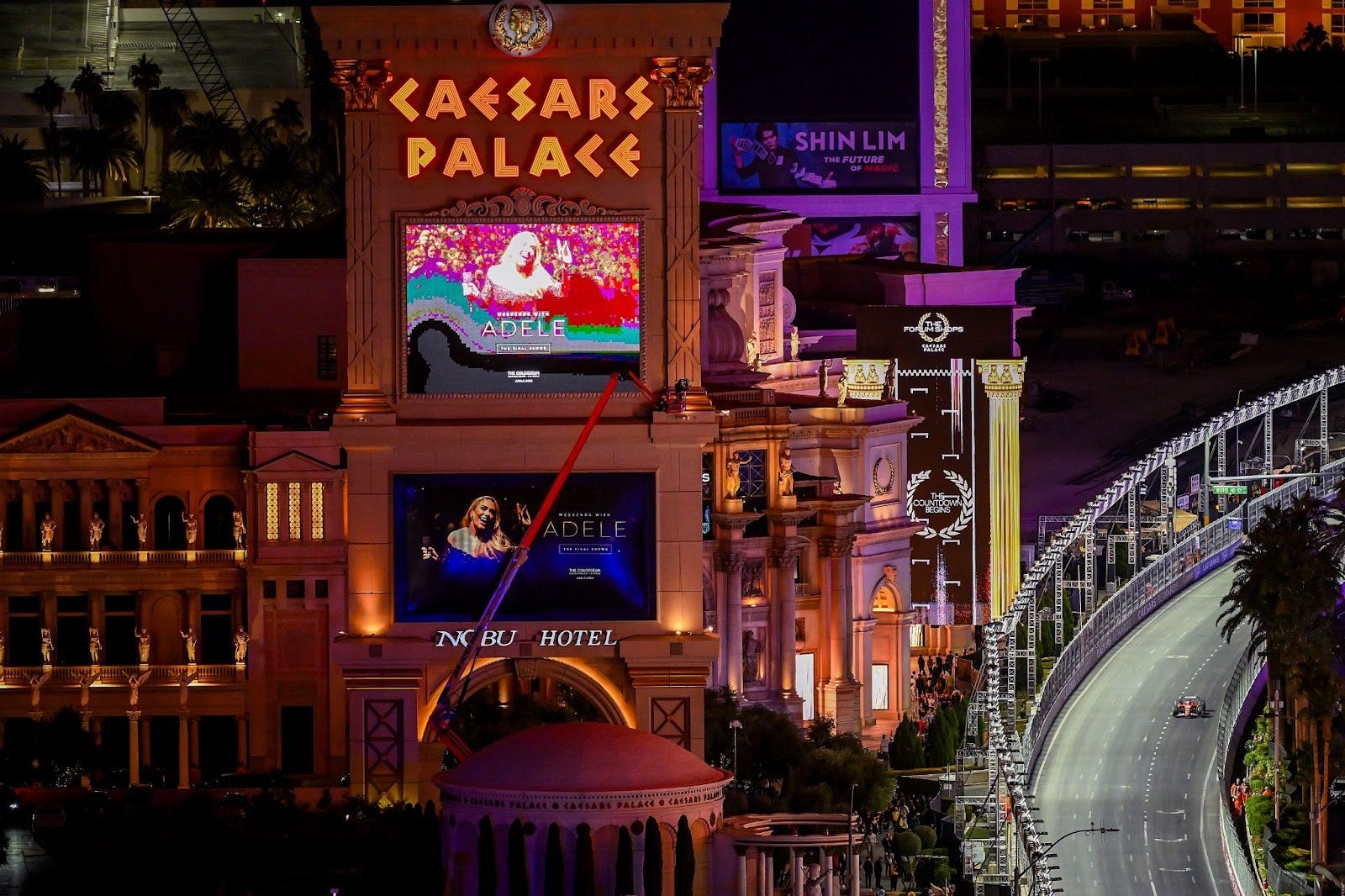
Las Vegas is capitalism in its most naked, sometimes exploitative form. I really like the city: off the Strip, it resembles other growing, diverse Sunbelt metros like Raleigh, Houston and Nashville, full of fantastic strip-mall restaurants and middle-class housing. But it also serves as a laboratory for economic experimentation.
And because state regulators obsessively track the gambling industry’s performance — tourism reflects more than a third of Nevada’s economy — Vegas is a surprisingly data-rich environment. So, for instance, we might ask questions like these: How much additional profit can you squeeze out of your customers before they rebel? Even if you’re doing it in ways that initially might be hard for them to notice?
A slump in tourism this year suggests that Vegas may have passed its saturation point. Once a town of penny slots and cheap buffets, Vegas no longer feels like a good value to middle-class consumers.
This is, I’ll admit, not precisely a contrarian theory. Complaints about how Vegas has become a bad bargain often pop into my “For You” feed. Nonetheless, I knew something was off when I booked hotels for my annual World Series of Poker trip late this spring. What constitutes “cheap” is a matter of perspective. But I know the Las Vegas Strip hotels and their typical price points extremely well. (There’s even a Las Vegas Strip hotel guide in a past SBSQ.) Everything was priced down a tier: rooms that would typically go for $269 a night were priced at $189, rooms that would cost $189 went for $109, and anything under that was basically being given away for free if you had any sort of casino status.
Despite these discounted prices, in June and July — the main months for the WSOP — visitor volumes fell by 11.3 percent and 12.0 percent, respectively, as compared to the same months in 2024, according to data from the city’s Convention and Visitors Authority. The year on the whole hadn’t been quite as bad, with tourism down 7.6 percent for the first ten months of the year as compared to January-October 2024. Still, the numbers are on pace to reflect the biggest year-over-year drop in tourist arrivals on record — except for the COVID year in 2020. The decline in revenues projects to be even steeper because the average
...This excerpt is provided for preview purposes. Full article content is available on the original publication.