Mujibur Rahman and the Bloody Birth of Bangladesh
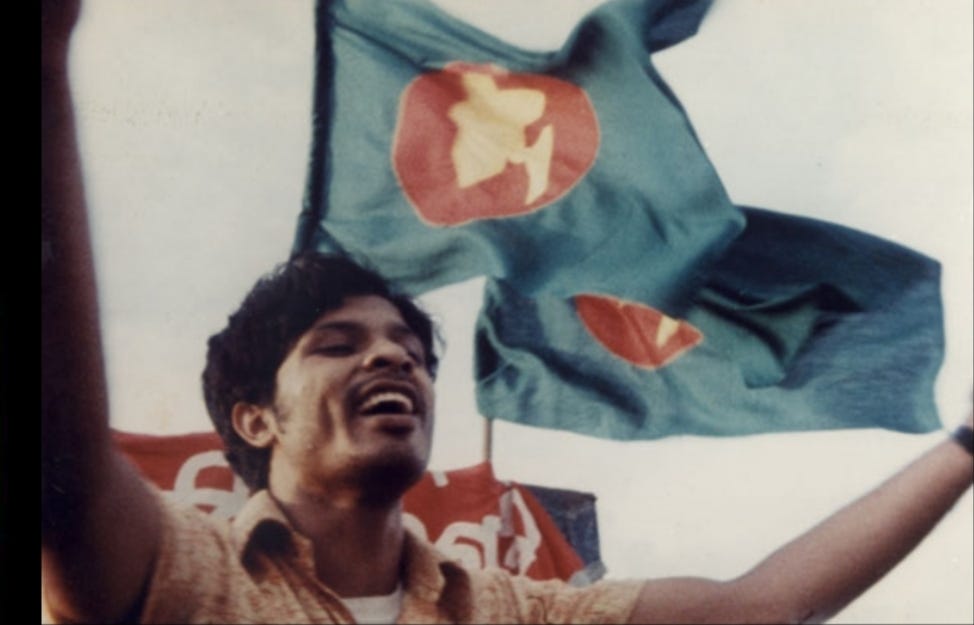
Early on Christmas morning in 1962, the Indian diplomat S.S. Banerjee heard a mysterious knock on his door in Dacca, East Pakistan.
Standing outside in the darkness was a 14-year-old boy, who beckoned to him to follow, and minutes later Banerjee found himself opposite the firebrand politician Mujibur Rahman, a pipe-smoking Bengali activist who had recently transformed from a Pakistani nationalist into one of the country’s fiercest critics.
For the next hour, the two men engaged in small talk, with Banerjee growing increasingly mystified as to why he had been summoned. Then, just as he was about to go home, he was handed a small envelope intended for the Indian prime minister Jawaharlal Nehru.
Rahman explained that it contained a plan to break East Pakistan away from West Pakistan and establish a new ‘sovereign independent homeland’ called Bangladesh. All he needed was India’s help.
Less than a decade later, in 1971, Mujib’s vision became reality. Pakistan was split in two, and South Asia underwent its fifth partition in five decades.
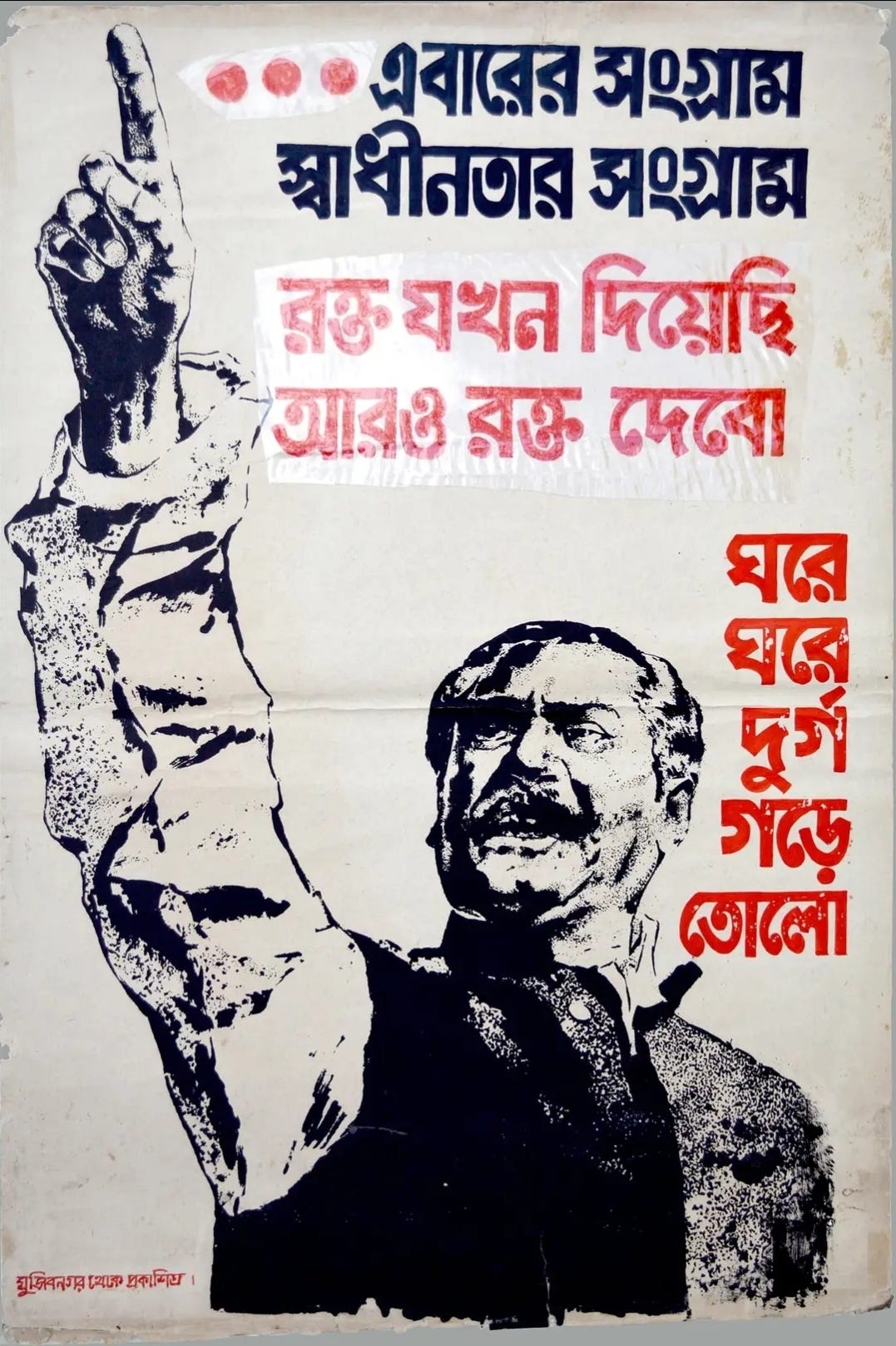
The year would reshape the subcontinent.
Tens of millions displaced, nuclear confrontation between the superpowers, and a bloody conflict that remains heavily politicised to this day.
Even the basic vocabulary is disputed. Bangladeshis speak of a ‘Liberation War’, Pakistanis talk of a ‘Civil War’, and India of the ‘Third Indo-Pakistan War’. Casualty figures range from 300,000 to three million dead, but what is clear is the scale of violence and displacement: some ten million refugees were registered by the UN in India and countless more were rendered stateless.
Just as much as 1947, year of 1971 made South Asia what it is today. At its centre stood Mujibur Rahman, one of the region’s most influential and divisive leaders. Father both of Bangladesh, and father Bangladesh’s recently deposed leader Sheikh Hasina, his story forms the final quarter of my book Shattered Lands, and it’s one I write about here.
Fighting For Pakistan
Mujib was not always fighting for a country called Bangladesh. Indeed as a teenager he was a keen Pakistani nationalist.
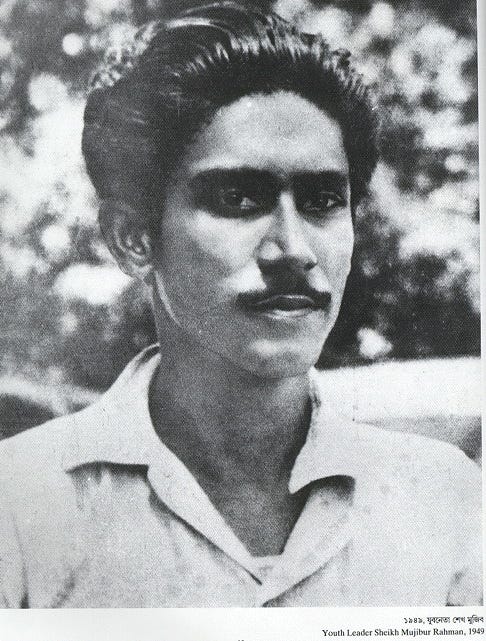
Mujibur Rahman was born on 17 March 1920 into an aristocratic Bengali family in the town of Tungipara.
At 18 years old he was married to his 8-year-old second-cousin Fazilatunnesa and then, soon after, he moved to the Bengali capital of Calcutta. Here, he played a prominent role in the All-India Muslim
...This excerpt is provided for preview purposes. Full article content is available on the original publication.