The Great Heist of Santa Claus
Deep Dives
Explore related topics with these Wikipedia articles, rewritten for enjoyable reading:
-
Lycia
13 min read
The article mentions this as 'the first known democratic union in history' but doesn't elaborate. Understanding this ancient federation provides crucial context for the political structure that shaped the region where St. Nicholas was born.
-
Nereid Monument
12 min read
Referenced as the largest surviving Lycian tomb that may have inspired the Mausoleum of Halicarnassus (one of the Seven Wonders). The article touches on its Greco-Persian synthesis but Wikipedia can provide deeper architectural and historical context.
Travels of Samwise takes a huge amount of work to run. If you’re enjoying this labor of love, please do consider becoming a paid subscriber. Dont forget to check out my new book Shattered Lands, which is available in both hardback and audible, and which you can order HERE. Its the perfect Christmas stocking gift!
Many thanks to Brown Pundits blog who's comments have led to revisions and clarifications of the Barabar-Lycia link in this article.
The Great Heist of Santa Claus
This is one of those stories that you just can’t make up. Long before Coca Cola advertising gave him a nice red and white hat, Father Christmas was actually a real Christian Saint - St Nicholas, or ‘Sintaklaas’ in Dutch. He was renowned for his generosity and gift giving, and after he died, his tomb in Myra (Modern Turkey) became a site for Christian pilgrimage.
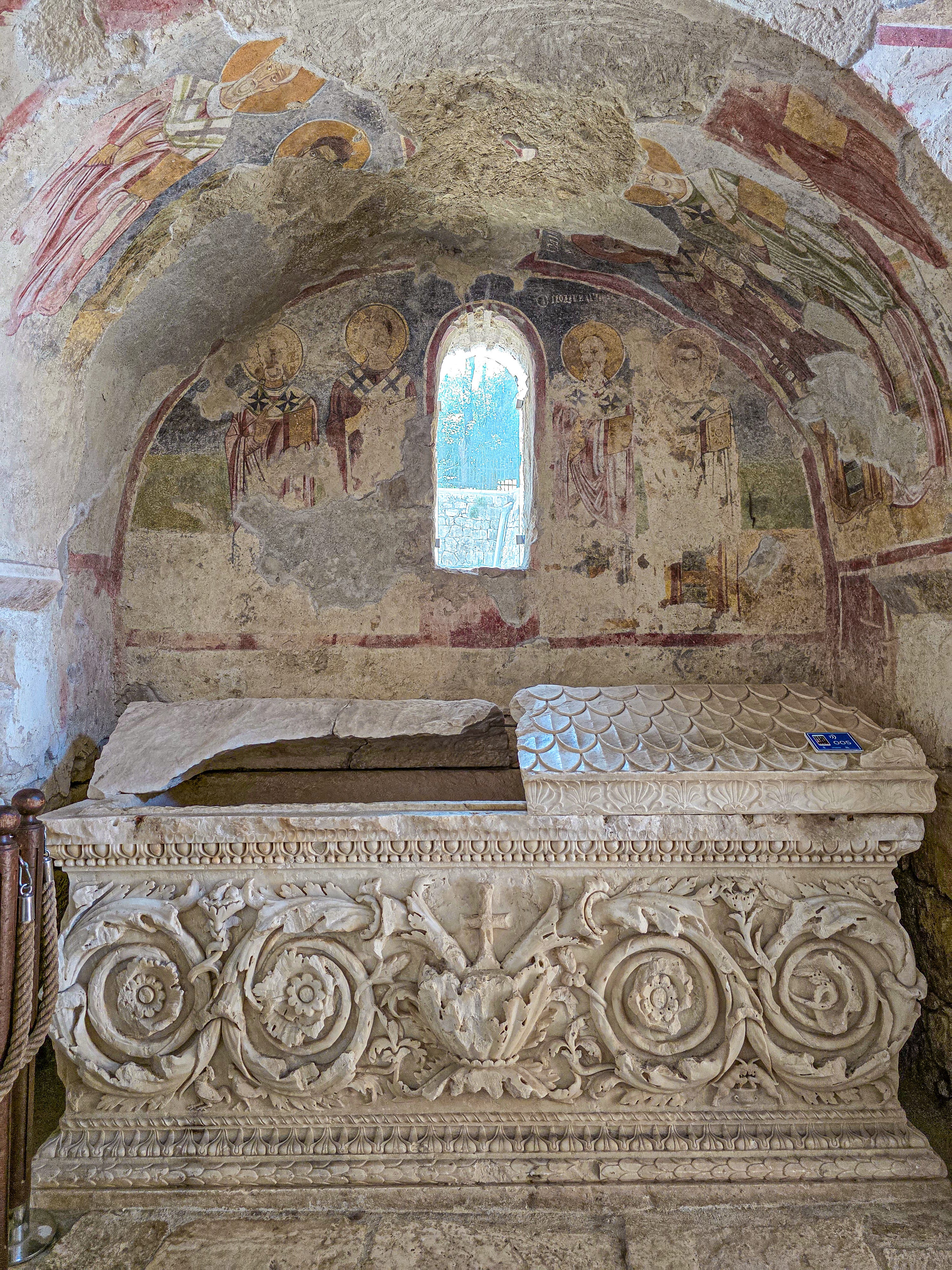
By around 1000AD, a rogue group of Puglian sailors decided to stage a daring heist: to steal the mortal remains of Santa Claus.
The fishermen succeeded, much to the upset of the shrine’s Greek priests, and managed to bring back his relics all the way back home to Italy. The Pope was quite impressed and built a massive basillica in Bari to house the relics.
This is just one of many fascinating stories behind the man we now call Santa Claus. His story is far FAR more interesting than I think we all realise. And to really get a sense of the man, we need to go back to Ancient Lycia.
Greeks and Persians in Ancient Lycia
Santa - or St Nicholas - was born around 270AD in Lycia, on the southern coast of modern Turkey. This ancient region is first recorded by the Hittites and Egyptians in 1500BC as Lykka or Lukka, and was populated by speakers of the Luwic languages. Their own name for their region was Trm̃mis.
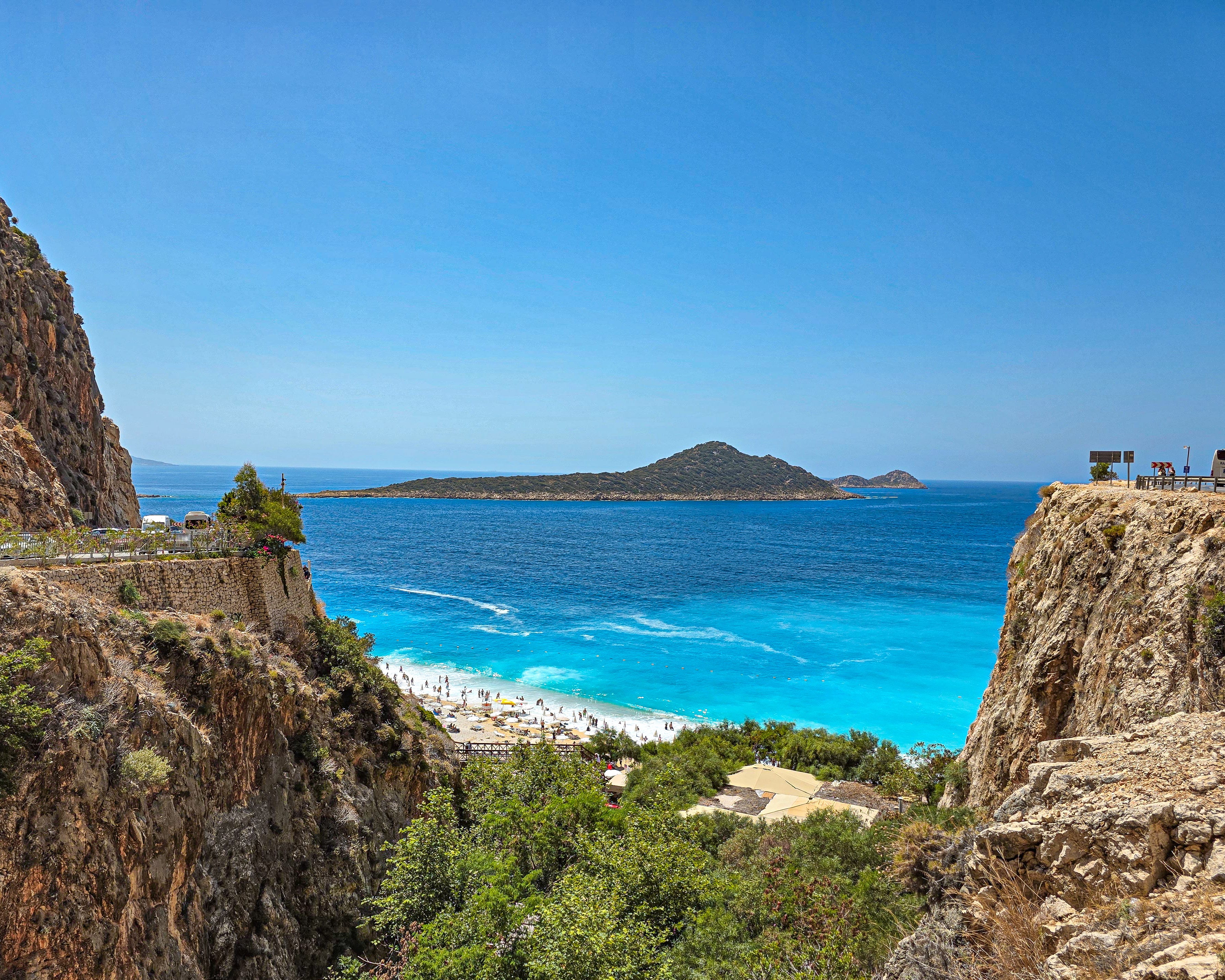
Like anywhere on the Mediterranean, this was always a crossroads of cultures of sorts, and his hometown's history is utterly fascinating.
In 546BC, Lycia was conquered by the Achaemenid Persian Empire, just before the more famous Achaemenid assault on Greece, immortalised in movies like 300.
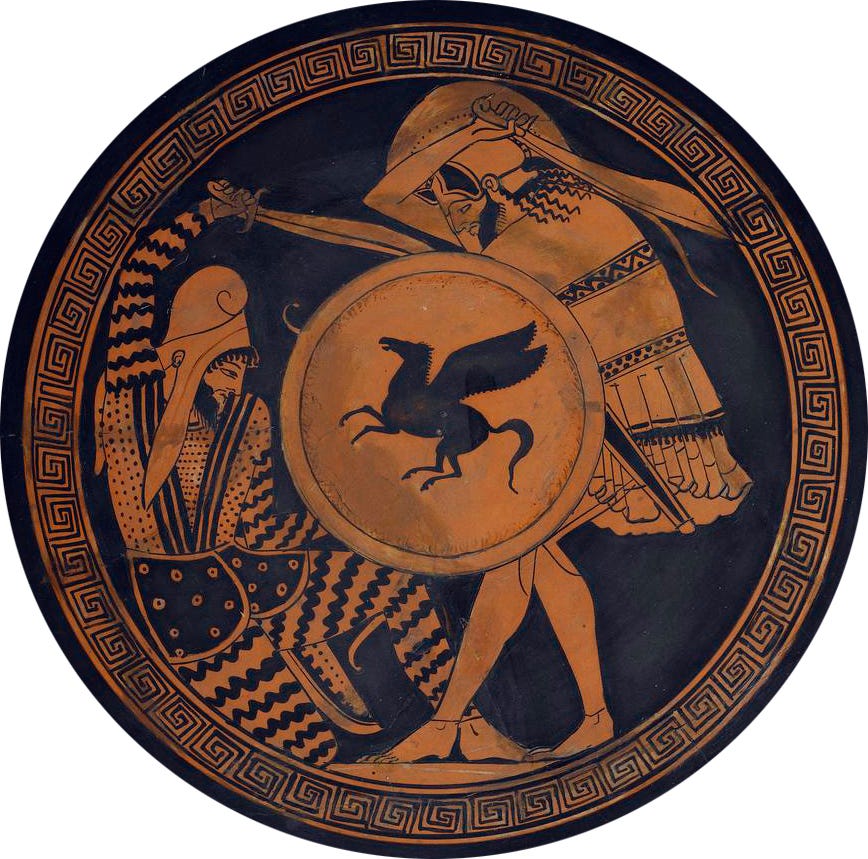
Yet Lycias integration into the
...This excerpt is provided for preview purposes. Full article content is available on the original publication.