Europe Is America’s Secret Weapon. And We’re Giving It Up.
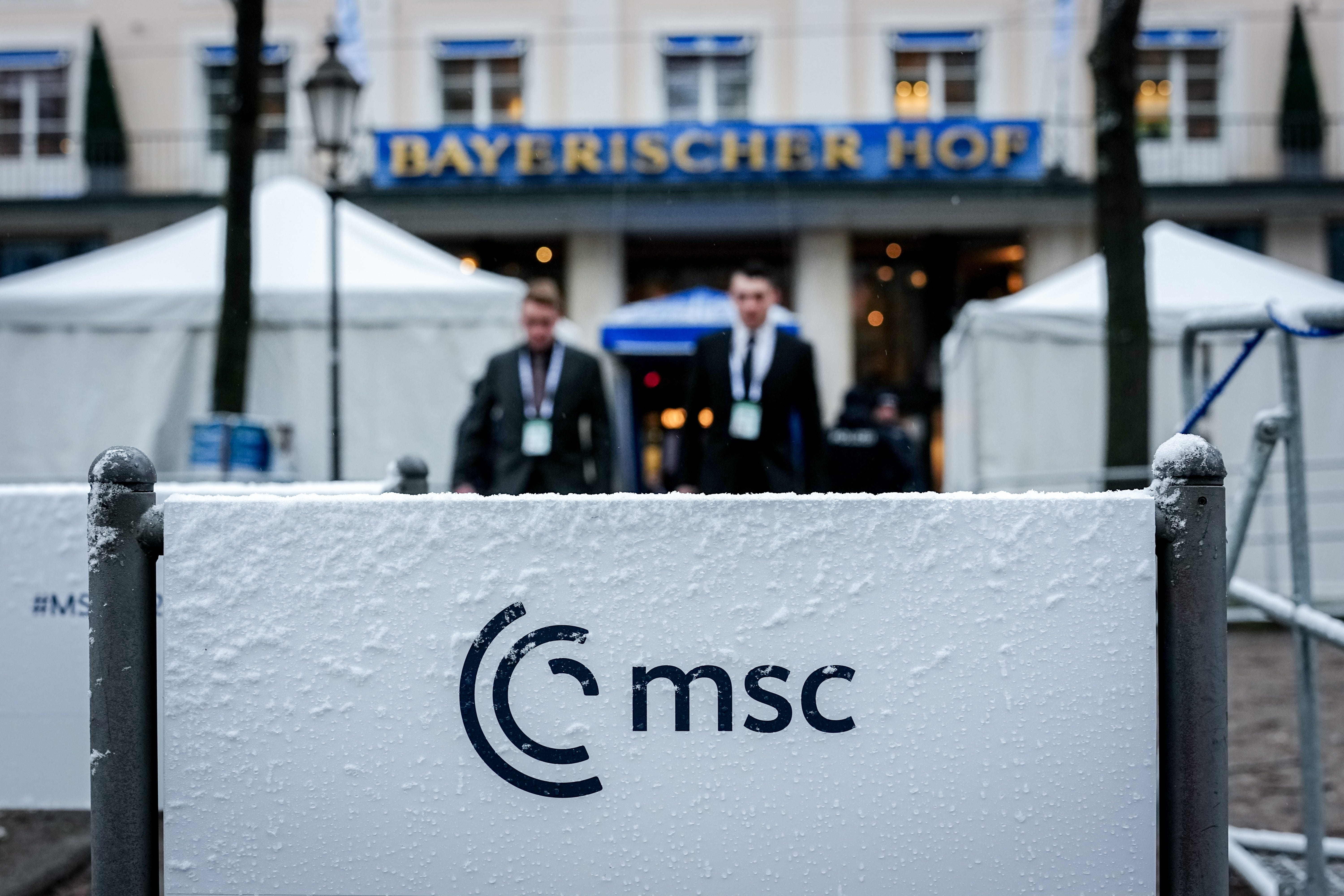
THE TRUMP ADMINISTRATION’S two representatives at the Munich Security Conference, Secretary of State Marco Rubio and Under Secretary of Defense Elbridge Colby, gave very different remarks, but the underlying substance was the same: This administration does not understand, does not value, and will not invest in America’s European alliances. Although the two men struck different tones and used different words, the unified message was conveyed as much by what they said as by who they were and what they didn’t say. Those in the room likely understood what they were being told in the subtle language of diplomacy, but for the rest of us, it’s worth translating into plain English.
The Munich Security Conference is not a traditional diplomatic summit. It produces no communiqués or treaties, and few concrete decisions. Instead, it’s more like a diplomatic trade show—an annual gathering where heads of state, ministers, military leaders, intelligence officials, industry executives, and civil society voices confront the world’s (and especially Europe’s) most pressing security challenges.
For more than a decade, the conference’s former chairman, Amb. Wolfgang Ischinger, curated an agenda designed to provoke candid, sometimes uncomfortable exchanges. He once explained to me that his aim was never consensus for its own sake, but clarity: to expose differences, test assumptions, and force participants to hear how allies and adversaries interpret risk, resolve, and commitment. In Munich, words are not mere rhetoric; they are signals parsed in capitals around the world.
The conference itself has long been a reflection of the transatlantic alliance. When I commanded U.S. Army Europe, our forces—alongside our German hosts and other allied militaries—provided aviation, logistics, communications, and security support, long before the first speakers took the stage at the packed conference room of the Bayerischer Hof, all to ensure that delegations could meet safely. It’s an unglamorous mission, largely invisible to the public, but emblematic of how alliances function: shared burdens, mutual trust, and capabilities woven together in ways no nation could replicate alone.
The last conference I attended as the commander of U.S. Army Europe was in 2012, and the American delegation reflected the bipartisan weight the United States once brought to the table. Sen. John McCain was there with other senators and
...This excerpt is provided for preview purposes. Full article content is available on the original publication.