China is killing the fish
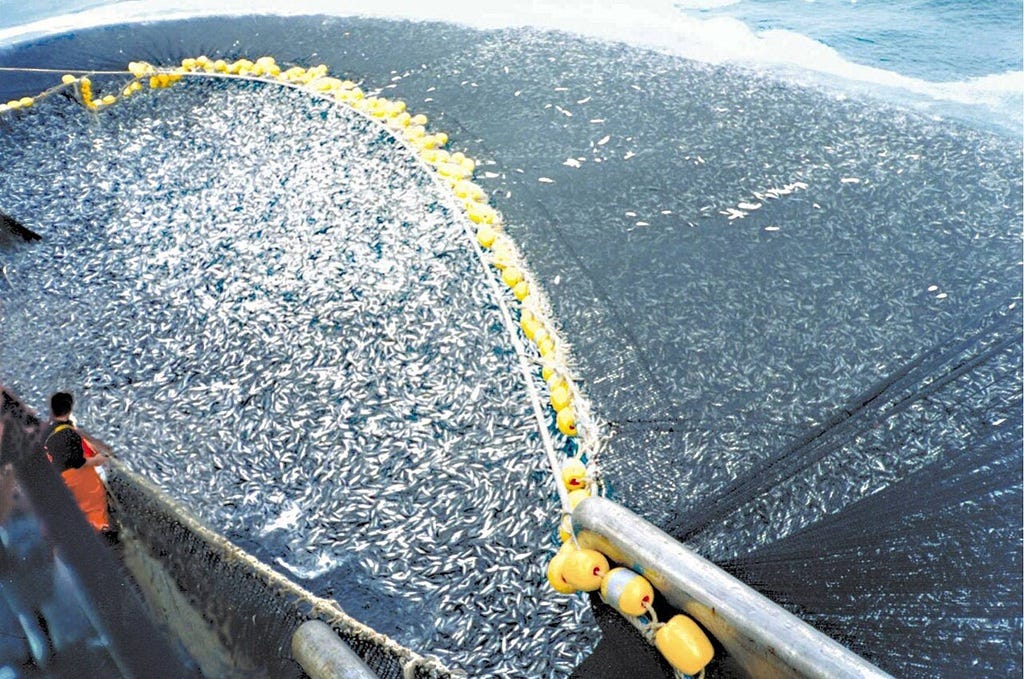

Unfortunately, I have another thing for you to worry about.
There are three types of environmental harm. The first kind is local — think air pollution and water pollution. This kind of activity hurts people who are geographically close by — when factories dump crap in the water, it’s local communities who get cancer, and so on. This kind of local pollution is typically solved by a local or national government, using things like regulation, pollution markets, and so on.
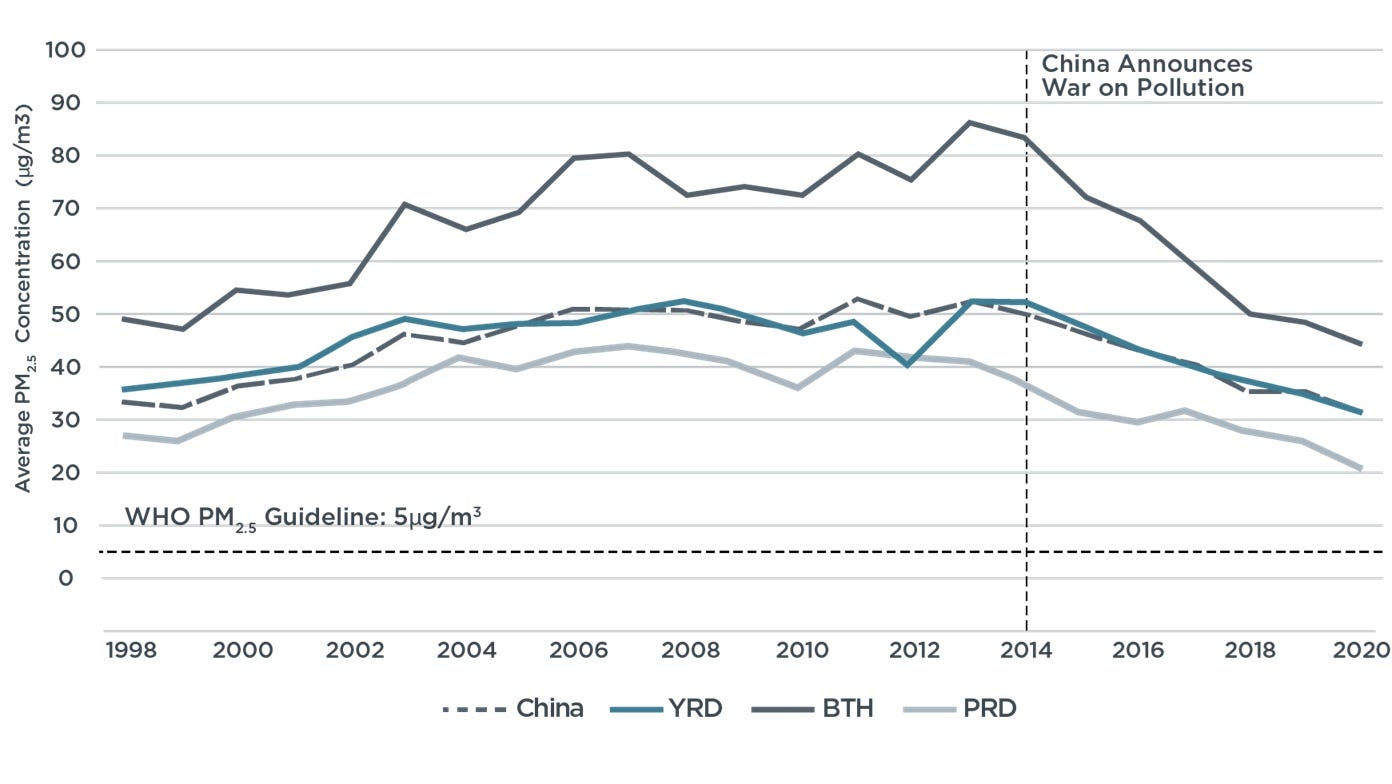
In fact, humanity has a pretty good track record when it comes to problems like this. The Environmental Kuznets Curve — the theory that countries pollute less as they get richer — seems to hold true for air and water pollution. As people escape poverty, they demand a cleaner local environment. For example, China used to be known for its toxic, unbreathable air, but in the 2010s it launched a successful cleanup policy:
The second kind of environmental harm — global harm — is a lot harder to deal with. These are things that mostly hurt people in other countries — global warming being the primary example. It’s very hard to solve global warming, because the worldwide nature of the harm means there’s a free rider problem (or, if you prefer, a coordination problem) — no country wants to pay the full cost of decarbonization, because most of the benefit goes to people in other countries. You can try international agreements, but everyone has an incentive to cheat.
Often, the best solution to these problems is technological — you simply invent something better and cheaper that doesn’t pollute as much, and then every country has an incentive to switch. Essentially, you use the positive externality of technology to fight the negative externality of pollution. This is what we did with HFC refrigerants, which replaced the CFCs that were destroying the ozone layer. It’s how we’re now fighting climate change with solar, batteries, and other green energy technologies.
But there’s a third kind of environmental harm, which is harm to the natural world. When pollution or logging or mining destroys natural habitats, it often doesn’t cause much harm to human beings — at least, not to those who are alive today. When coral reefs get bleached and die from industrial runoff, it might hurt tourism revenue a tiny bit, but overall humans
...This excerpt is provided for preview purposes. Full article content is available on the original publication.