Autonomous Systems: Learning the Right Lessons from Ukraine for Down Under
Deep Dives
Explore related topics with these Wikipedia articles, rewritten for enjoyable reading:
-
HESA Shahed 136
9 min read
The article opens with a quote about defending against '200-300 Shaheds every day' - these Iranian-made kamikaze drones are central to the drone saturation environment described. Understanding their specific capabilities, costs, and deployment patterns provides essential context for the article's arguments about drone warfare evolution.
-
Combined arms
16 min read
The article repeatedly emphasizes that drones extend rather than replace conventional military capacity, mentioning 'combined arms and joint warfare' and drone integration into combined arms activities. Understanding this military doctrine explains why the author argues against treating drones as a 'silver bullet' and why infantry remains essential.
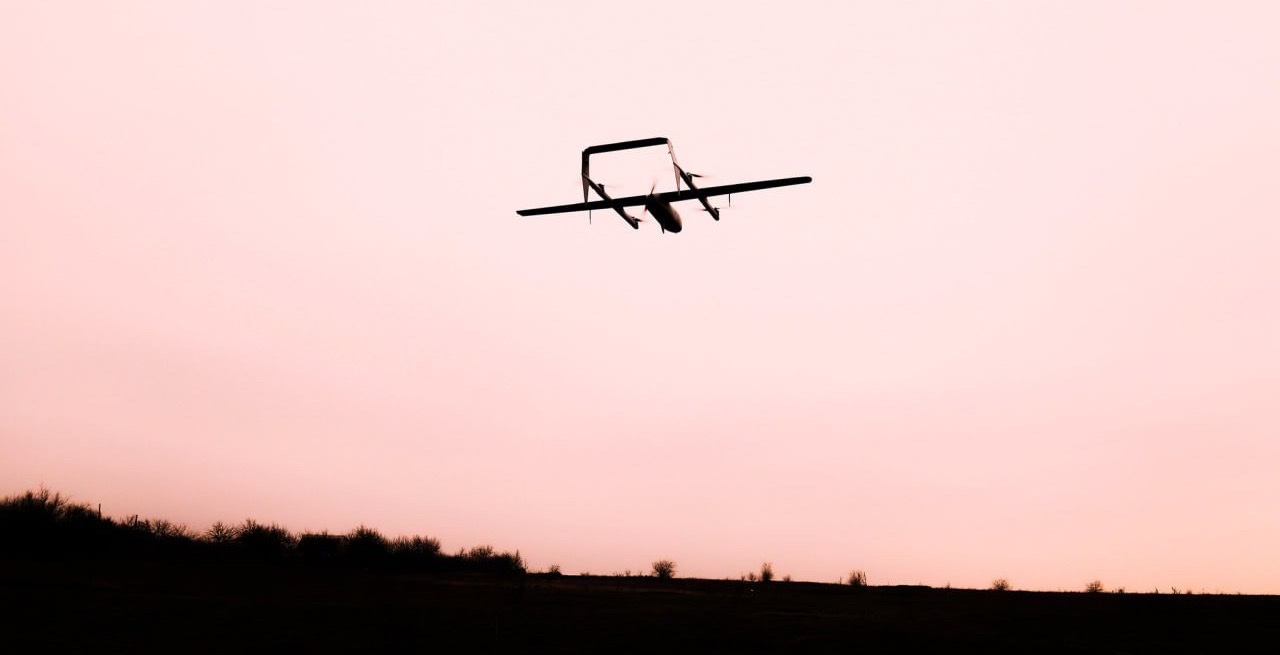
Our experience will be invaluable for the entire rational world, because any country could face a similar scenario. I don’t know of a single NATO country capable of defending its cities if faced with 200-300 Shaheds every day, seven days a week. Robert ‘Madyar’ Brovdi, July 2025.
On 4 November 2025, I appeared as an expert before Australia’s federal parliament Defence subcommittee of the Joint Standing Committee on Foreign Affairs Defence and Trade. I testified about autonomous systems, AI and defence partnerships and their implications for Australia’s defence and national security.
In my testimony, I covered two crucial issues.
First, what are the trends in drone operations during the war in Ukraine that we must understand and learn from in the Australian Defence Force (and other military forces). And, second, what might we do now to adapt the force structure, warfighting concepts, training and procurement systems to ensure that our military remains at the leading edge of 21st century capability.
Below is not a transcript of my testimony. The sections below however do cover the key concepts and ideas that I explained to the Defence subcommittee of the Joint Standing Committee on Foreign Affairs Defence and Trade.
Key Contemporary Trends in War and Autonomous Systems
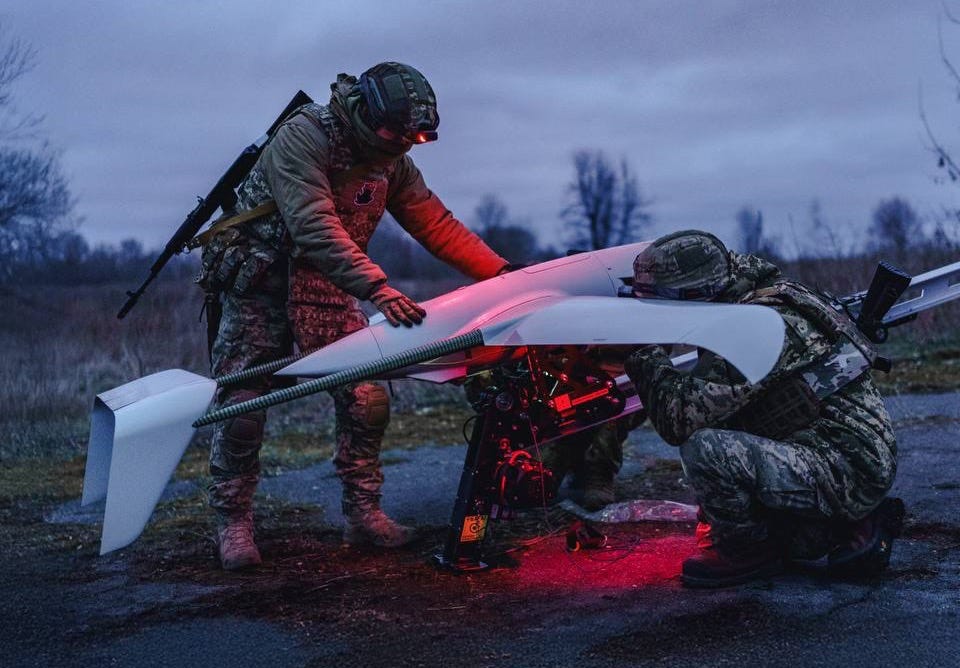
Ukraine now a saturated drone operating environment. Now, within 15km of the front line, vehicle movement is difficult to impossible. Infantry soldiers must march to their positions for 10-15km. Where armoured vehicles and artillery are deployed, these can be subject to dozens of attacks per platform per day. Ukraine has invested in decoys and deception activities, and every HQ is now buried deep underground to avoid detection and destruction by Russian drones.
There is a question however is whether this saturated environment, which has built in scale and intensity over the last three and a half years, is possible elsewhere like the non-contiguous Pacific theatre? It is not the same in the Middle East for example. And, if drone saturation is possible elsewhere, how quickly might combatants build the kind of density of autonomous systems we are seeing in Ukraine?
Drone don’t replace, but extend, human and conventional military capacity. Ukraine brigades use artillery and drones collaboratively. And for every drone battalion, brigades have 3-5 infantry battalions. Thus, despite a saturated drone environment, infantry troops remain more important than ever to hold ground.
EW and drones are a co-evolutionary system. One
...This excerpt is provided for preview purposes. Full article content is available on the original publication.