Jewish Cabals Part I: The Focus
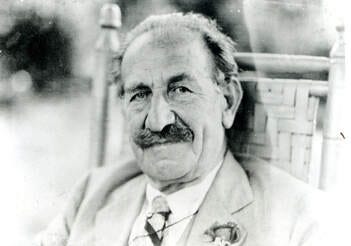
Pictured above: Corporate Lawyer and Focus Member Samuel Untermeyer
For nearly a decade I sperged out on conspiratorial literature and content. This is the fate for many a white guy when adopting Libertarian views, often conspiratorial and revisionist history becomes a major point of emphasis in framing and defending a Libertarian worldview. Fortunately, I was incredulous and didn’t allow myself to be trapped in this ideological box. Taking in more alternative content has allowed for a more coherent frame and understanding of history. In the Libertarian/Conspiratorial camp there are two historians who are key to this view. Carroll Quigley and Anthony Sutton. For the sake of brevity, I will refrain from a deep dive into the background of these two historians so I have cited a reference below.1
Both Quigley and Sutton provide insight into history that you will not hear from the mainstream or court historian, their research should not be dismissed outright, but in some areas they fall short. I came to realize that both Quigley and Sutton had blind spots in their historical accounts. If this was intentional or because of conceptual bias; that is up for debate. Needless to say, there are holes in their writing in dealing with Organized Jewry and the power it was wielding both in the past and during the time period when they were writing their various books.
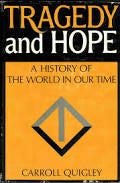
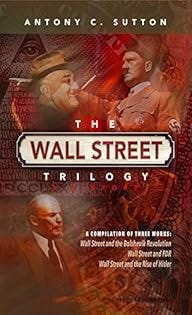
One example of this is neither Sutton or Quigley mention the Jewish Cabal known as The Focus or The Focus Group, despite both Sutton and Quigley covering in detail, the machinations that brought on World War 2. To say that Winston Churchill was beholden and controlled by this cabal is not an overstatement.
...“Amid this backdrop of rising fascism and uncertain leadership, a group of concerned British politicians and businessmen came together to form "The Focus." This group, named after its intention to concentrate efforts against appeasement, aimed to influence British foreign policy, advocate for rearmament, and prepare the nation for the potential conflict ahead. "The Focus" sought to counter the prevailing narrative of appeasement and mobilize support for a more robust and proactive stance against Nazi Germany.
Central to the efforts of "The Focus" were several key figures, each bringing their unique influence and resources to the cause. Bernard Baruch, an American financier and political consultant, offered strategic advice and financial support from across the Atlantic. Sir Robert Waley Cohen, a
This excerpt is provided for preview purposes. Full article content is available on the original publication.