The anvil of history
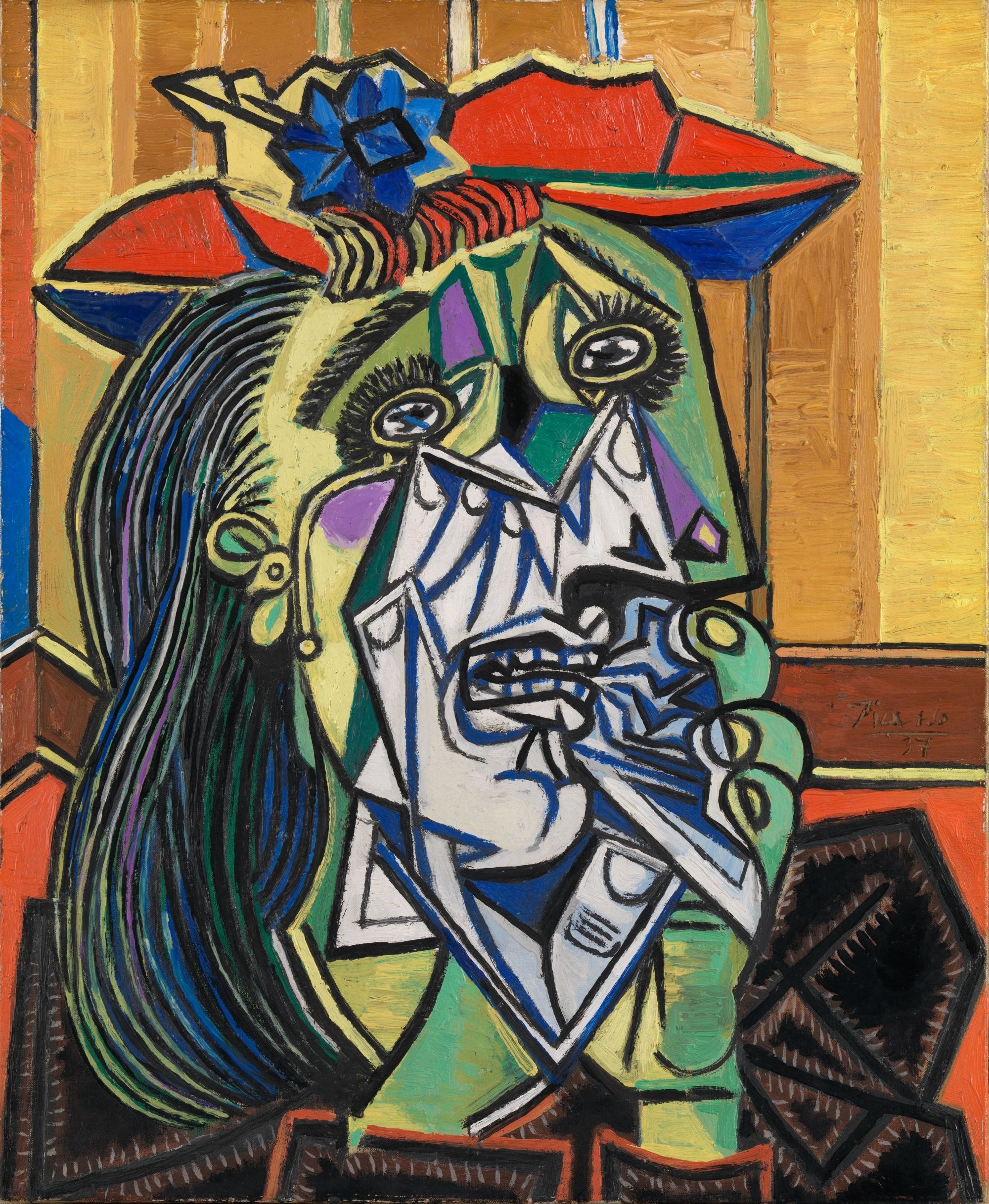
In 2006, the National Gallery of Victoria brought ‘Picasso: Love & War 1935-1945’ to Melbourne as part of its annual Winter Masterpieces series. I was always a little suspicious of these overpriced, overstuffed tent-pole exhibitions, of their artistic paucity relative to their blockbuster size and the exorbitant prices of their catalogues, but found this one particularly disappointing. Unable to source much good Picasso from the period, Europe unwilling or unable to part with the highlights of its own collections, or at least to send them to the other side of the world, the gallery was reduced to displaying a handful of weeping women in one corner and a bunch of faded newspapers the old man had chanced to doodle upon on over breakfast in another. Most galling of all was the manner in which it deigned to tackle the elephant that wasn’t, and for reasons no doubt related to insurance premiums. could never have been, in the room: it set up a digital projector and cast a ghostly, intangible ‘Guernica’ onto one of the gallery walls.
As I wandered around in mute disappointment, I happened upon some similarly monochrome images playing silently on a screen in a corner. No one was paying much attention to them, but I was captivated. They showed Picasso, Dora Maar, and others—Man Ray, I believe, was wielding the camera—gallivanting around the poolside at a villa somewhere in the south of France. They were smiling and laughing and drinking cocktails, their faces flickering in the manner of old home movies, silent but somehow vital across the years. Picasso had his shirt off, naturally. It was an incidental exhibit—filler, really—a bit of biographical colour thrown in to beef up the show, to make it seem as though there was more there than there was, not entirely dissimilar to Marr’s famous photographs of Picasso painting ‘Guernica’ in Paris, which adorned the wall by the ghastly projection. But the curatorial, contextual note accompanying the footage transformed it for me, imbuing it with instant melancholy: this, it said, was the last time these people spent time together before the war, and none of them ever saw one another again.
In Kudos, the final book of Rachel Cusk’s Outline Trilogy, one of the narrator’s countless interlocutors complains over canapes of her adult-aged children: “Theirs is a world without war [...] but it is also a
...This excerpt is provided for preview purposes. Full article content is available on the original publication.