Now Spinning
Deep Dives
Explore related topics with these Wikipedia articles, rewritten for enjoyable reading:
-
Ethnomusicology
15 min read
The article explicitly introduces ethnomusicology as the framework for the author's teaching approach, describing it as 'the study of music in its social and cultural contexts.' This academic field provides the theoretical foundation for understanding music as social process rather than just entertainment.
-
Active listening
13 min read
The entire article centers on teaching students to move beyond passive background listening to intentional, focused engagement with music. The author describes struggling to teach 'attentive listening' and develops a tiered framework (affective, structural, dialogic) that aligns with active listening research.
-
Concept album
14 min read
The author emphasizes that 'certain albums demand to be listened to in their entirety' and lists classic examples like Sgt. Pepper's and Songs in the Key of Life. Understanding the history and artistic intent behind concept albums provides crucial context for why album-length listening matters pedagogically.
After dinner one evening, my teenage daughter exclaimed, “Put me on aux!”
We’ve developed a family ritual of listening to music while my wife and I make dinner. When the kids were little, they would crawl around the kitchen floor or sit in their highchair as we played Gen X and millenial hits, dancing and cooking. The adults may have been the DJ, but our song choices were intentional. My wife would usually play something from Backstreet Boys, and I would counter with I Want You Back by the Jackson 5, my original boy band. We would go back and forth layering with our favorite songs in a sort of Songversation.1 We wanted to share the soundtracks of our lives with our children. We would play songs we grew up listening to and, inevitably, the teacher (and music aficionado) in me would want to trace it back to the original influences. As our children grew, they requested songs for us to play. The only rule was no judgement until the end of the song. You didn’t have to like a song, but you had to listen to it fully before making a pronouncement. Love it or hate it, you had to give it a chance.
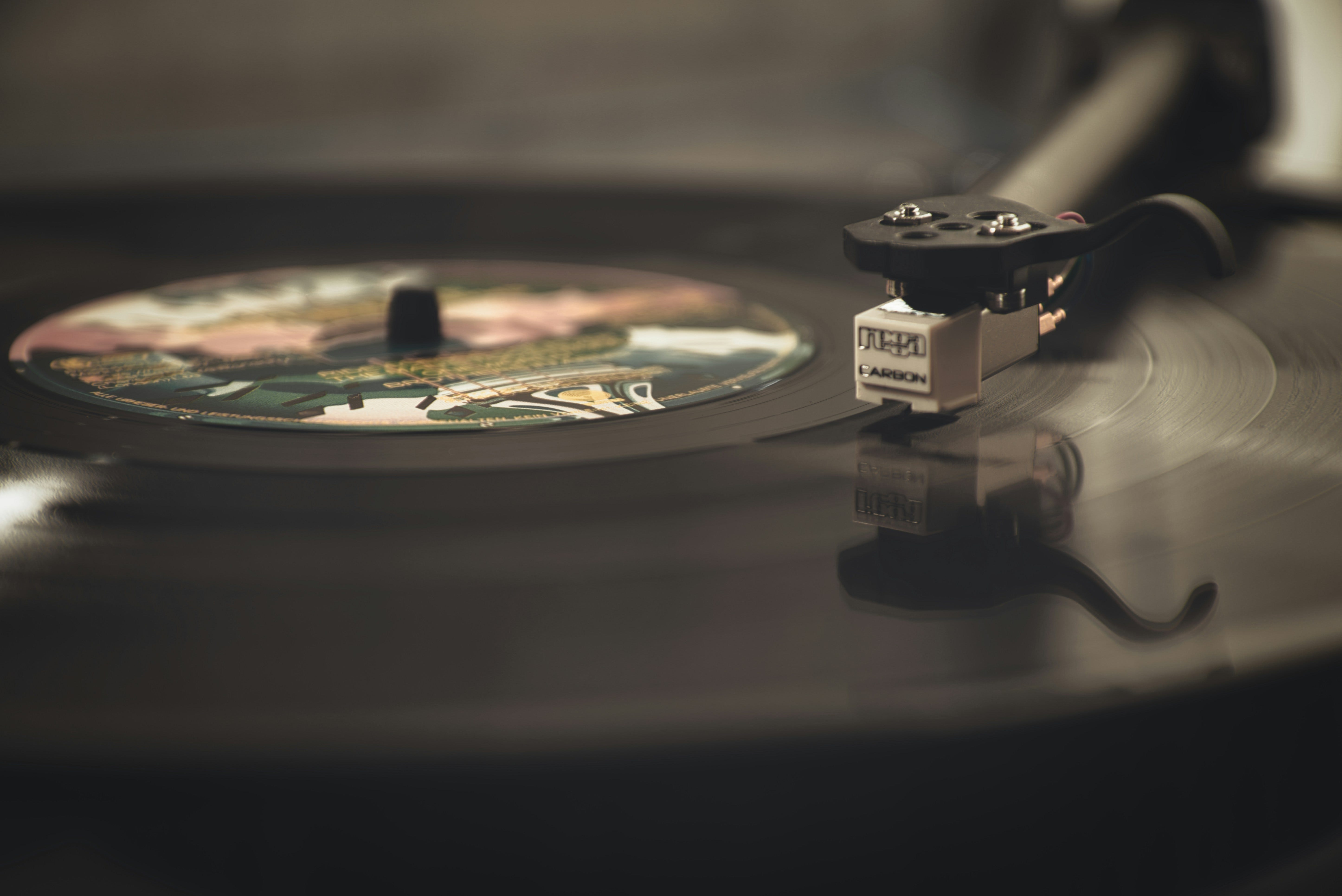
At the end of the evening, after we put the kiddos to bed, we would pick an album, pour a bourbon, sit and listen to it, start to finish. Certain albums demand to be listened to in their entirety: The Beatles’ Sgt. Pepper’s Lonely Hearts Club Band, Blue by Joni Mitchell, Nirvana’s Nevermind, Songs in the Key of Life by Stevie Wonder, The Miseducation of Lauryn Hill by Lauryn Hill, Tapestry by Carole King. These albums can’t be played in the background; they require active listening to fully appreciate.
So when my now teenage daughter demanded to be put on aux, I knew that I was in for a treat. She wanted to share her favorite music. After a few songs, my teenage son joined in offering some of his favorites. Listening to my teenage children’s taste in music evolve as they get older is a privilege. As I sat listening to Ava Max, Daft Punk, Yungblud, Katy Perry, Eminem, and Rihanna, I could follow the musical thread back to Aerosmith, Tupac, Run-D.M.C.,
...This excerpt is provided for preview purposes. Full article content is available on the original publication.