Forcing Function
“Yesterday is a cancelled check. Today is cash on the line. Tomorrow is a promissory note.” – Hank Stram
After nearly four years of nonstop war, it is not surprising that Ukraine’s domestic economy is highly distressed. Its energy infrastructure, railways, and heavy industry have suffered serious damage from a relentless barrage of Russian drone and missile attacks. Inflation is running at approximately 12% per year, and millions of its citizens have fled the country.
Although exact figures are difficult to ascertain, the October 2025 update by the Kiel Institute’s Ukraine Support Tracker pegs total Western funding for Ukraine at roughly €400 billion. Absent this support since the war began, the Ukrainian economy would have collapsed long ago. If funds were to dry up now, so too would the country’s ability to continue the fight. Going forward, the needs are substantial:
“The pressure on Ukraine’s public finances remains acute, with around $60 billion in external financing needs for 2026-2027 yet to be covered, Ukrainian media quoted Finance Minister Sergei Marchenko as saying during the eighth meeting of the Ministerial Roundtable on Support for Ukraine in Washington on October 15.
‘To ensure the sustainability of public finances in 2026-2027, it is necessary to mobilize additional resources,’ the media quoted him as saying in a Finance Ministry press release…
Marchenko previously estimated the Ukrainian budget’s external financing needs in 2026 at $45.5 billion, and total external financing for the duration of the new four-year program with the IMF at $150-$170 billion.”
US President Donald Trump’s approach to ending the war has certainly been erratic, but he has been steadfastly consistent in one regard: US taxpayers are done footing the bill. The last major appropriations bill to clear Congress, which allocated a total of $61 billion in support, was in April of 2024, and prospects for another effort on that scale are fleeting at best.
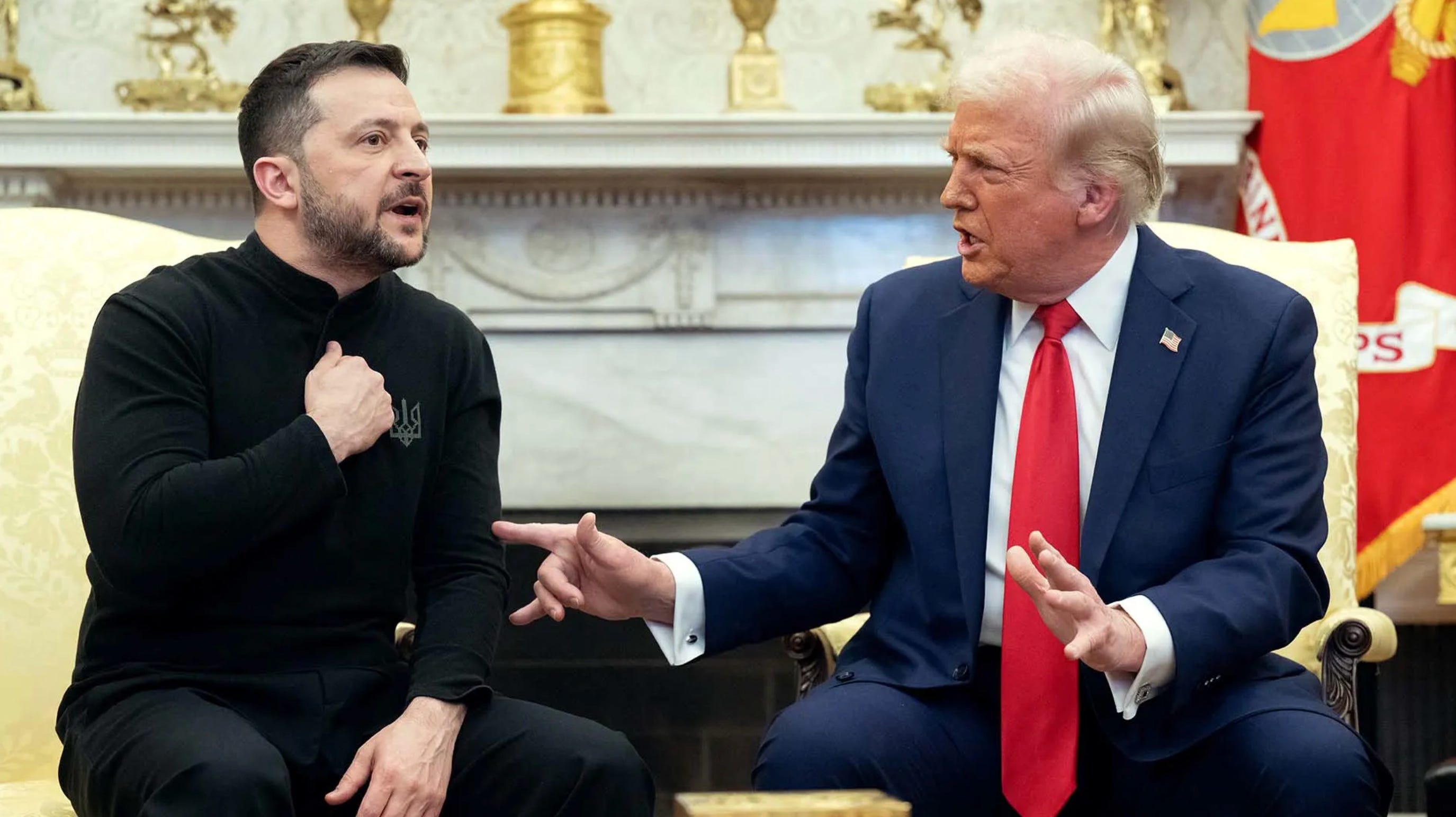
For all their public pronouncements of encouragement for Ukrainian President Volodymyr Zelensky and the war effort, the important member states of the European Union (EU) are hardly in a position to fill the financial void. Neither is Britain, which is itself teetering on the edge of a fiscal crisis. By process of elimination, only one realistic avenue remains to keep the Ukrainian economy afloat a bit longer:
...“EU leaders are set to instruct the European Commission to
This excerpt is provided for preview purposes. Full article content is available on the original publication.