Steve Yegge on AI Agents and the Future of Software Engineering
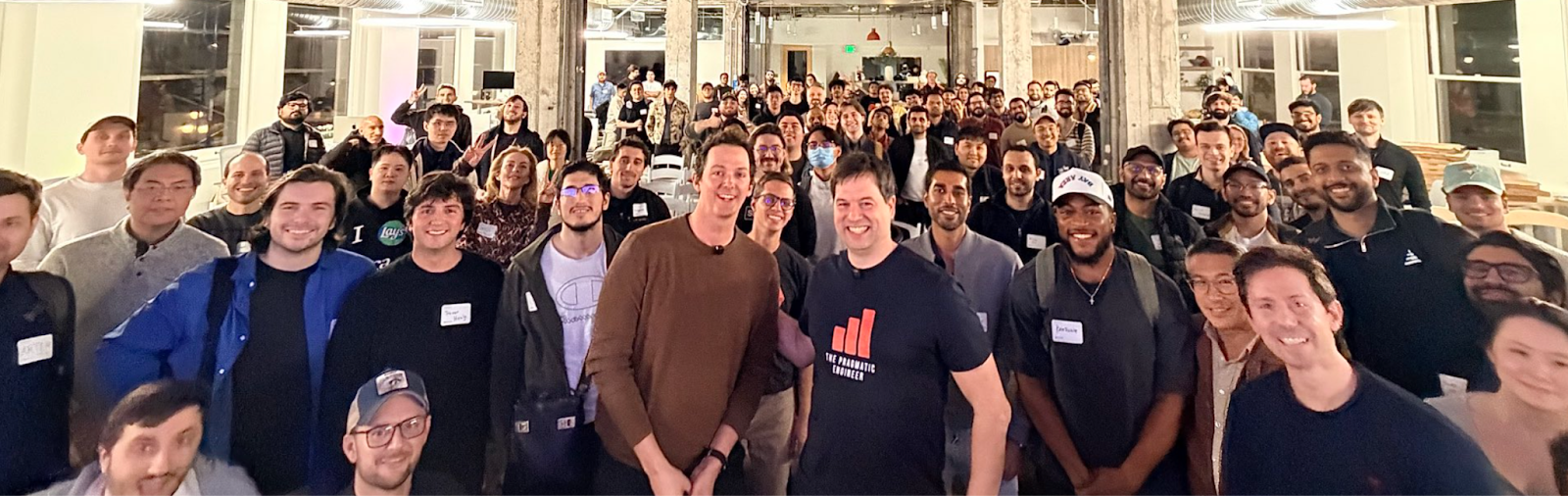
Note: apologies for this issue of the newsletter arriving slightly later than usual, I’m currently working in San Francisco. Last night, I attended AI Night with WorkOS, and tomorrow I’ll be hosting The Pragmatic Summit.
The next podcast episode with Kotlin’s creator, Andrey Breslav, will be out on Thursday instead of tomorrow (Wednesday). Regular scheduling, including The Pulse, resumes next week. We’ll release session recordings from the Pragmatic Summit to paid subscribers first, and later to everyone.
Please wish me luck with this event tomorrow, it’s the first ever in-person event by The Pragmatic Engineer, and there’s a full house of 500 attendees. If you’re there, come and say hi!
Steve Yegge has been a software engineer for over 40 years, with stints at GeoWorks, Amazon, Google, and Grab. He’s known for provocative, entertaining blog posts, of which the most famous might be Stevey’s Google platform rant.
Steve recently published the book “Vibe Coding”, has also built Gas Town, an open-source AI agent orchestrator, and created documentation site and community hub Gas Townhall around the project. A year ago, we did a podcast focusing on his career, including how he used AI for coding. Last week, Steve and I sat down again in Salt Lake City and explored what’s changed in terms of using LLMs for coding, and also the wider tech industry.

In this article, we cover:
LLMs, the end of coding by hand, and the S-curve. Initially skeptical of LLMs, Steve became a convert after trying out Claude Code. He now argues the industry is headed into a steep exponential curve that shows no signs of stopping.
“50% dial” and deep cuts. Could big companies cut up to 50% of their staff in order to make way for AI tools? Such a trend might dwarf pandemic-era layoffs.
Eight levels of AI adoption. A spectrum of AI adoption, from “no AI”, to “building your own orchestrator”. Steve fears engineers stuck at the lower levels will be left behind.
The Dracula effect: the drain of using AI. Vibe coding at full speed can be physically draining, and Steve argues that employers shouldn’t reasonably expect
This excerpt is provided for preview purposes. Full article content is available on the original publication.