How Iran’s internet blackouts work
Featured subscriber note from reader Tai:
“Praying for you, Myroslava and Nastia, as well as the rest of the team. Folks who are able should keeping feeding the tip jar and find ways to donate to various organizations purchasing batteries for Ukrainians. Slava Ukraini.”
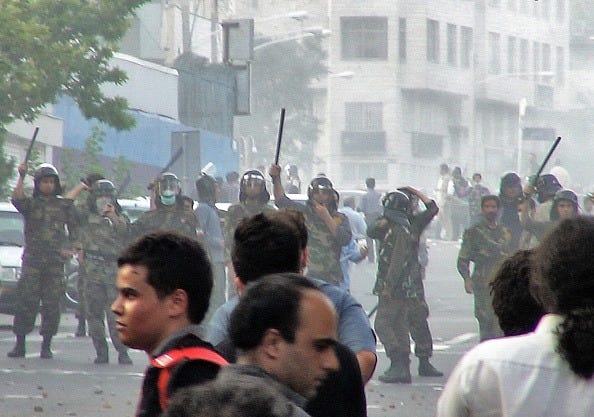
Amir Rashidi was arrested in Tehran on New Year’s Day in 2009, swept into a security van with fourteen others.
Inside, other detainees scrambled to call friends, asking them to scrub their names from any public writing, anything that might be considered criminal to the regime.
Amir did not make that call. When asked why, he answered without thinking.
“I’m an internet guy,” he said.
At the time, he insists, it wasn’t bravery. It was instinct, shaped by years of moving between activist circles and writing code, by an understanding of how information traveled and how quickly it could disappear.
Today, Amir is the Director of Cybersecurity and Digital Rights at Miaan Group, an Iran-focused human rights organization centered on digital security and activism.
As protests swept Iran starting in late December and rights groups tallied the death toll, Iranians watched their internet abruptly disappear.
That plunge into digital darkness, Amir warns, is not just an Iranian issue. It reflects a more global shift in how authoritarian governments are learning to control information quietly.
It would be a mistake to watch Iran fall offline without asking how it happens – and how we all might be vulnerable to the same blockades.
Amir was born in Tehran to an educated family — his father was a teacher, which he would later pick up. He studied software engineering and computer science at a private university in Iran, training for a career as a developer at a precarious moment for technology in Iran; it was brand new, but already shaped by restrictions.
Amir has also always been an activist. As a student, he worked with student rights activists and later became active in the women’s rights movement, including by signing the One Million Signatures campaign against discriminatory laws against women. He was a familiar presence at protests, documenting what he saw and sharing information as it unfolded.
Amir
...This excerpt is provided for preview purposes. Full article content is available on the original publication.