New Research: Ebru Yıldız
Deep Dives
Explore related topics with these Wikipedia articles, rewritten for enjoyable reading:
-
Laurie Anderson
15 min read
Mentioned as one of the paradigm-shifting artists Ebru has photographed, and a specific shoot with her is discussed. Readers would benefit from understanding Anderson's avant-garde multimedia work and influence on performance art.
-
Boris (band)
12 min read
The Japanese experimental rock band is discussed in detail as a case study of Ebru's creative process, with the photographer describing how their dark, aggressive sound influenced her visual approach and the innovative technique of weaving photos together.
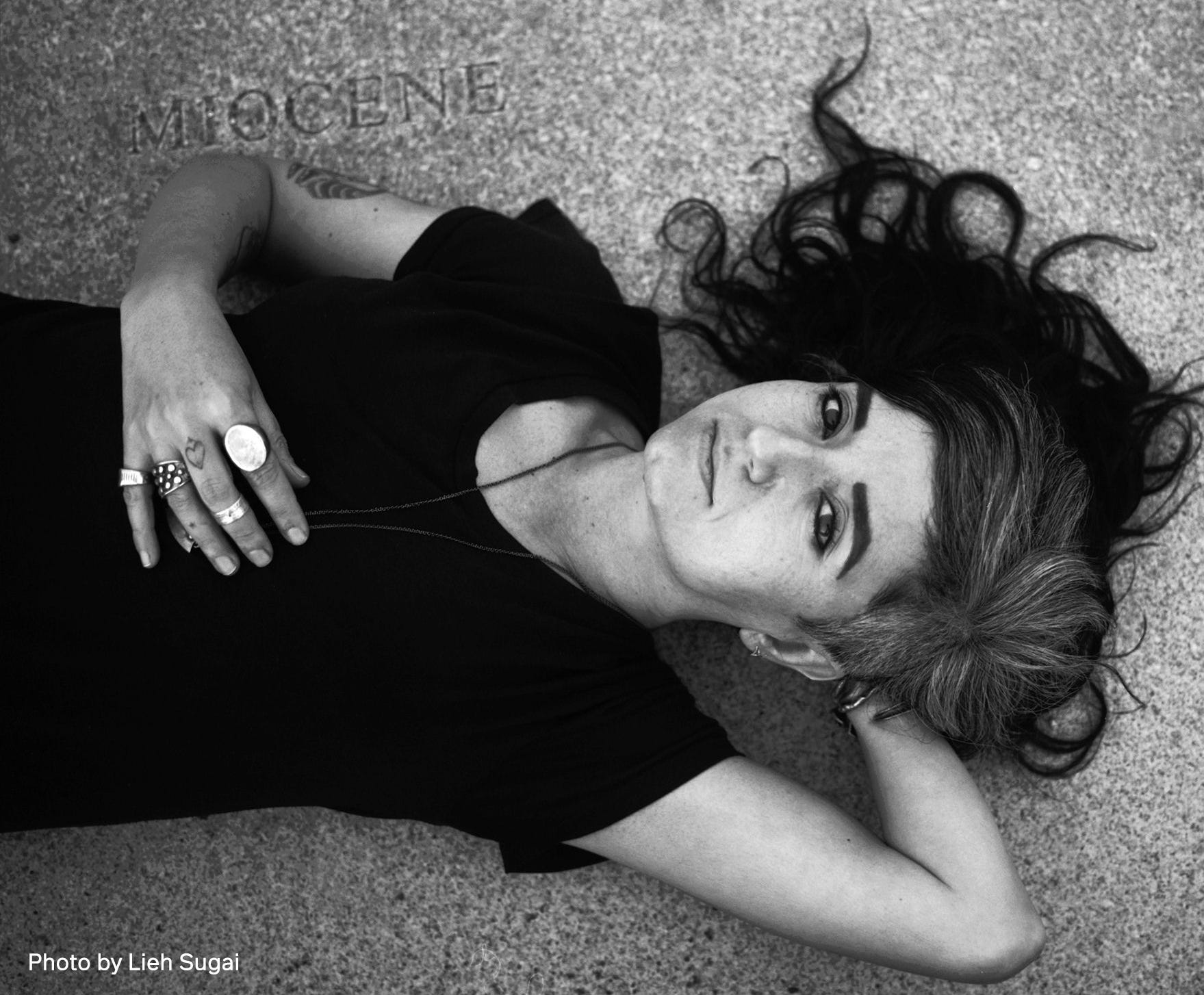
Ebru Yıldız’s portraits pull off a magic trick of duality. The New York City-based photographer’s images telegraph the essence of their subjects in an intensely direct way, but they’re also instantly recognizable as photos Ebru’s made. It’s a rare balance between artist and subject that’s incredibly difficult to manage, and one that speaks to Ebru’s talent and vision, but also her genuine passion for the work.
The artists in Ebru’s massive portfolio range from baby bands still cutting their teeth in gritty clubs to A-list pop stars and some of the most important, paradigm-shifting artists all of time—including David Byrne, Laurie Anderson, and Debby Harry. Ebru crafts unique visual worlds that she tailors for the artists she shoots, but they all feature her signature touches: a striking use of shadows, an air of drama, and an almost confrontational intimacy. Her photos feel remarkably substantial, but never pretentious.
Ebru’s love of photography and a desire to actively fight the impermanence of the digital age recently inspired her to start What Remains, an independent photo book publisher that she founded with partner Mitchell King. The freshly-minted publisher’s first release is a beautifully designed 182-page book of photos Ebru shot of beloved singer-songwriter Mitski titled King of All the Land: Mitski by Ebru Yıldız.
While preparing for the release of King of All the Land…, Ebru spoke with Chance Operations’ David Von Bader about the value of slowing down, the psychology of portraiture, and why she’ll always come back to photo books.

David: You’ve said in the past that you didn’t like how your concert photography was used as news content because it felt impermanent. How do you combat that feeling of impermanence in the digital age?
Ebru: That’s a big part of why my partner Mitchell and I recently started our book publishing company. We named it What Remains because it feels like we’re making what will remain after we’re gone. When I first started, digital cameras weren’t in fashion yet. Digital photography increased the pace of everything, where you’d go to a show and document it, file those photos that night, and by the time you were eating your lunch, everything you’d poured yourself into the night before was old news. That shift had a really weird effect on me and made me want to go backwards, so I went back to film photography to slow myself down. Eventually
...This excerpt is provided for preview purposes. Full article content is available on the original publication.