A War Story Fit for Christmas
Deep Dives
Explore related topics with these Wikipedia articles, rewritten for enjoyable reading:
-
Special Operations Executive
10 min read
The SOE is central to the Carpetbagger operations described in the article. Readers would benefit from understanding this British secret organization's full scope, methods, and impact on WWII resistance movements across Europe.
-
Nancy Wake
16 min read
Wake is featured prominently in the article as a key SOE agent who parachuted into France. Her full biography—including her becoming the Gestapo's most wanted person and her extensive combat leadership—provides rich context beyond the article's excerpts.
-
Consolidated B-24 Liberator
14 min read
The B-24 bomber is the aircraft at the heart of Operation Carpetbagger. Understanding its design, capabilities, and why it was chosen over the B-17 for these night missions adds technical depth to the human stories in the article.
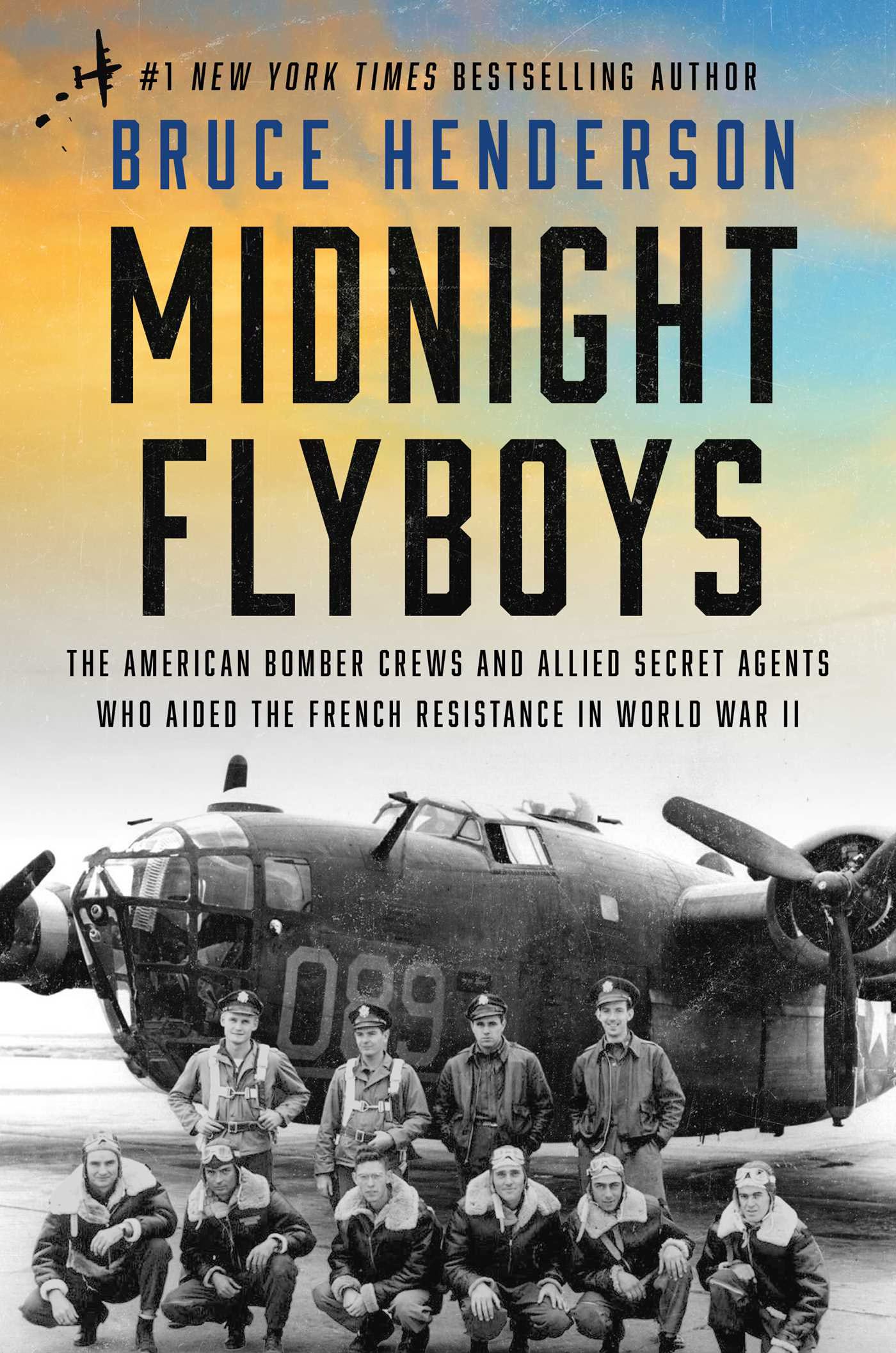
GENERATIONS OF US have now grown up reading or watching stories about the courage and heroism of the “Greatest Generation,” those young men and women who risked their lives in the existential battle against fascism in World War II. Yet, even 80 years after the guns fell silent, new chapters of that vast conflict continue to emerge, reminding us that the war was fought not just on the beaches of Normandy or the islands of the Pacific, but in the shadows.
Bruce Henderson’s captivating new book, Midnight Flyboys, takes us back to those days of danger and glory, illuminating a specific, harrowing campaign that has long remained a footnote in the broader history of the air war. It centers on the operations of the code-named “carpetbaggers”—U.S. Army Air Force pilots who flew modified B-24 bombers on low-altitude, nighttime missions to drop supplies and allied agents behind enemy lines. Central to this story are not just the aviators, but the intrepid spies—many of them women, by the way—who volunteered to hitch rides on these treetop missions, parachuting into the peril of Nazi-occupied Europe.
Henderson is no stranger to these themes; he has written frequently, and always engagingly, about the human element in war. His previous book, Sons and Soldiers, chronicled the German-Jewish emigres who escaped Europe only to return as U.S. soldiers. The “Ritchie Boys,” as they were called, after the name of the Maryland camp where they trained, interrogated German POWs and provided key intelligence that aided the allied victory. In Midnight Flyboys, Henderson turns his gaze from the interrogation rooms to the cockpits and the drop zones, focusing on a moment when the air war over Europe shifted into high gear.
It is inspiring, and sobering, to read these accounts of such selfless warriors today. Most of the fighters were barely old enough to vote. My father was a 22-year-old Navy officer when he was assigned to a ship in the South Pacific. My friend, the late Col. Robert Z. Grimes was just 21 when he began piloting B-17 bombers over Nazi territory.
Kurt Vonnegut, himself a veteran and POW in a Nazi prison camp, captured this reality perfectly in Slaughterhouse-Five, which he struggled to write for 20-plus years after the war ended. When Mary O’Hare, the wife of one of his army buddies, accused him of planning to write a book that would
...This excerpt is provided for preview purposes. Full article content is available on the original publication.