Ukraine Dispatch: Ground-Based Air Defence
Welcome to my Ukraine Dispatches, updates from my latest visit to Ukraine. This is my sixth dispatch.
My first dispatch, which covered Ukrainian military training as well as a certain incident with a snake, is available to read at this link. My second one is available here. My third dispatch, an interview with Nataliie Lutsenko, is available at this link. The fourth dispatch is here. My fifth dispatch, about Ukraine’s assault forces, can be read at this link.
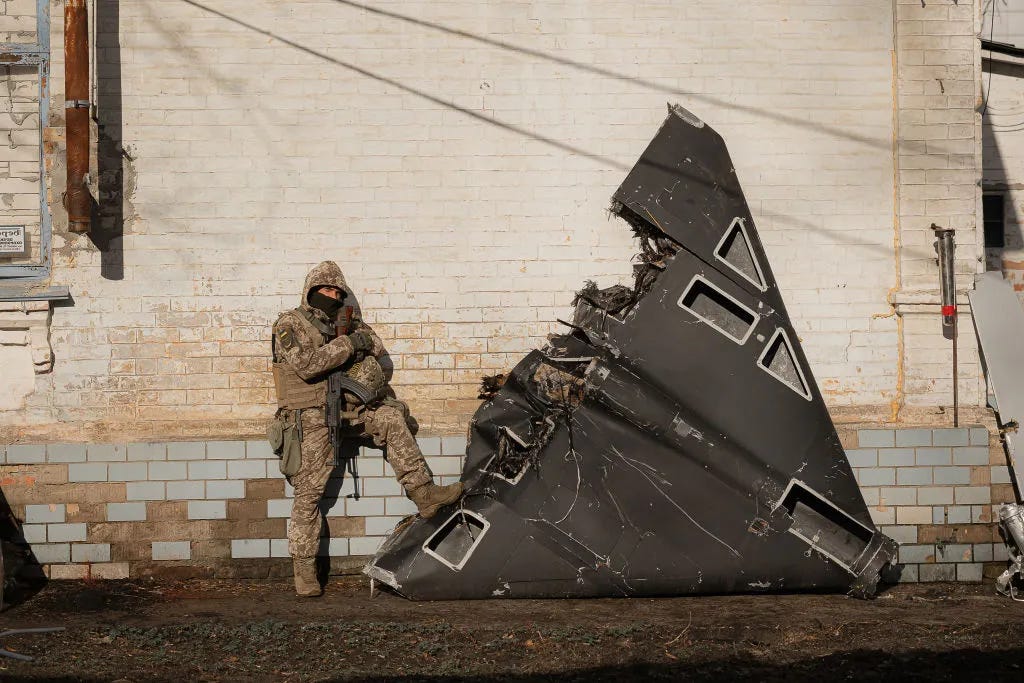
Last night, Ukraine suffered another large-scale Russian aerial assault. The country has been under sustained aerial attack since the beginning of the full-scale Russian invasion in February 2022. Indeed, some of the very first acts of Russia’s offensive were missile attacks against Ukrainian air defence radars and critical military infrastructure.
With the exception of some isolated attacks including those on 9/11, attack from the air is something that western nations and western military institutions have largely avoided since the end of the Second World War.
Not so Ukraine.
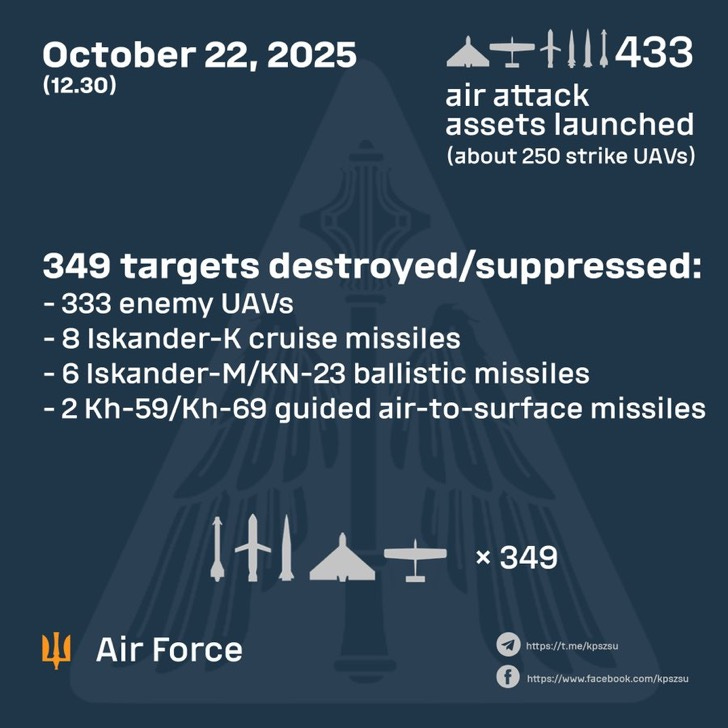
During my Ukraine visit this month, I had the opportunity to meet with officials to discuss the challenges currently faced by land-based air defence organisations. This is more than the nightly challenge of intercepting Shaheds and missiles in their hundreds, although this is a major problem. Land-based air defence also incorporates the defence of ground forces against aerial threats, which can include strike and ISR drones, glide bombs launched by Russian tactical fixed wing aviation, and the threat of Russian military attack helicopters.
The Shahed Challenge
In the six months since my last visit to Ukraine, the scale and technological sophistication of the challenges posed by the Russian Shahed drones has increased significantly. The average number of drones dispatched monthly increased from around 4000 in March to over 6000 now.
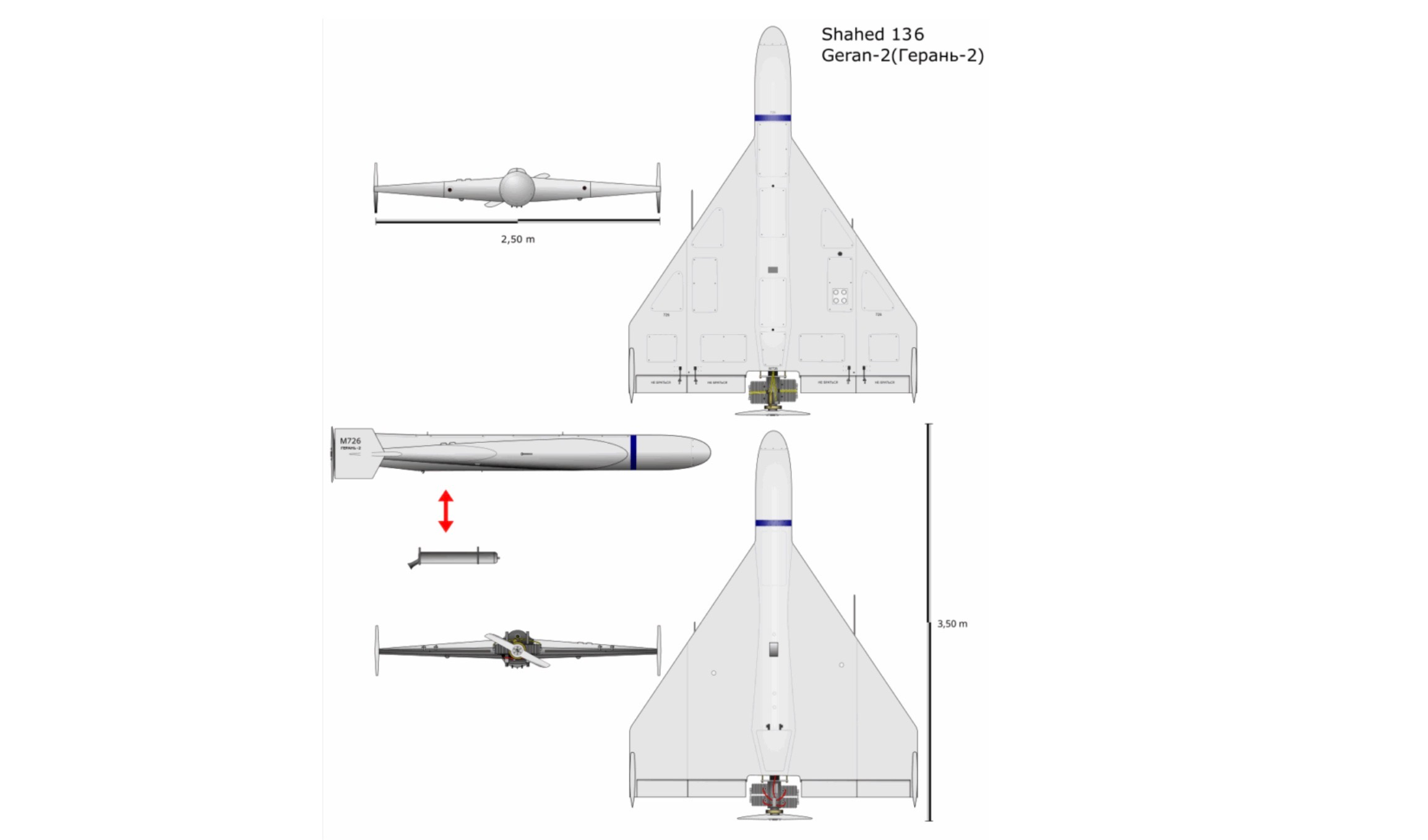
Another change is the sophistication of the drones. Russia has constantly changed the electronic hardening and the navigation systems of the drones in order to degrade Ukraine’s capacity to either spoof the drones or gain control of them and steer them to safe areas (or back to launch points). Russia has also introduced jet powered Shahed which travel much faster than the old propeller driven drones, making them harder to detect and intercept. Some Shaheds have been found with AI chips and others with thermal imagery cameras for navigation assistance.
There
...This excerpt is provided for preview purposes. Full article content is available on the original publication.