From the Archives: I Commanded U.S. Army Europe. Here’s What I Saw in the Russian and Ukrainian Armies.
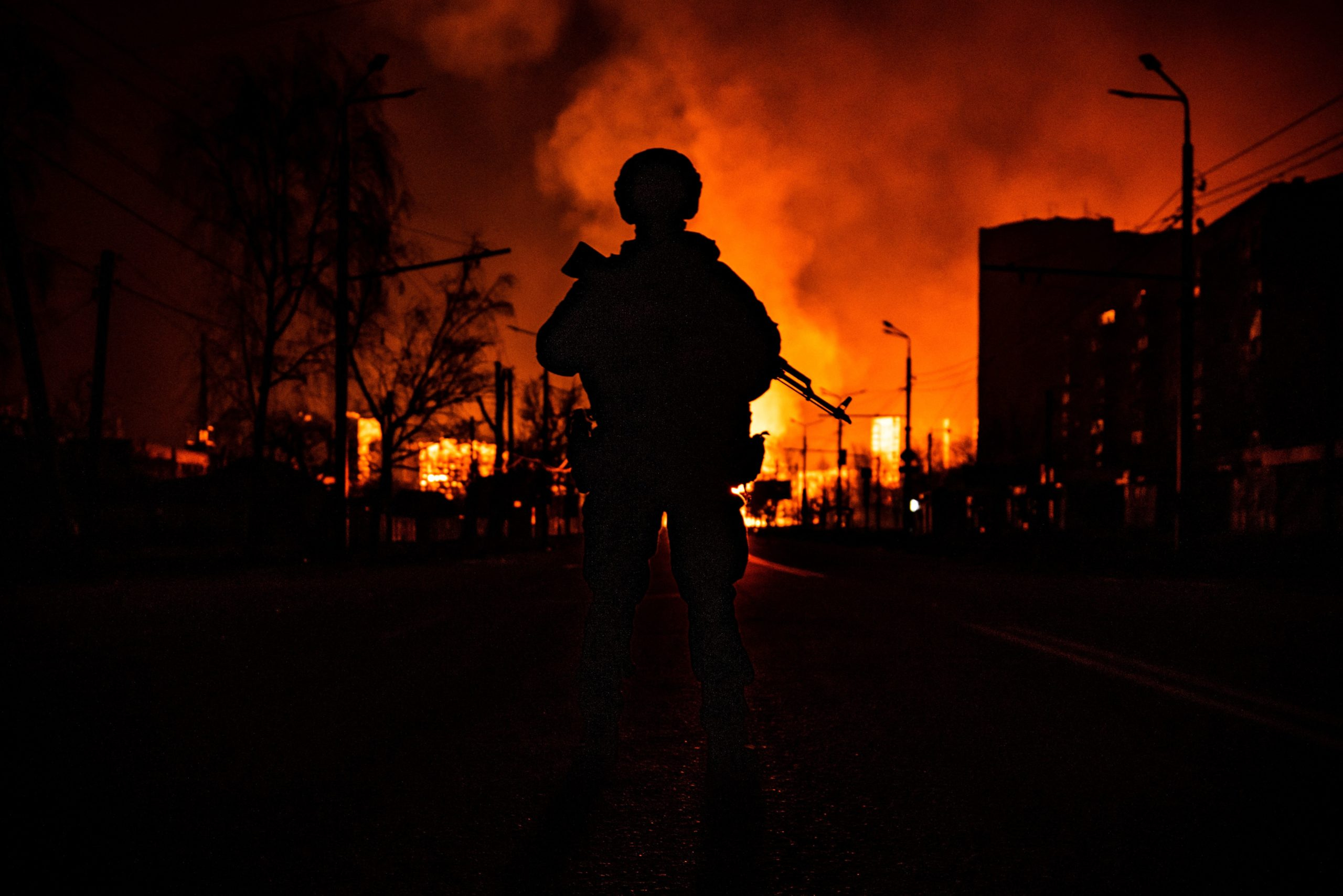
[Editor’s note: On the fourth anniversary of Russia’s full-scale invasion of Ukraine, we’re republishing this article that we originally ran on April 11, 2022. Much of what Lt. Gen. Mark Hertling describes having seen in the Russian and Ukrainian armies remains true today, and his observations of the differences of culture and motivation between the two forces explain much of the course of the last four years of war.]
IN MARCH 2011, I BEGAN A NEW POSTING as the commanding general of U.S. Army Europe and Seventh Army, in command of all U.S. Army forces stationed in various countries throughout Europe. It was a dream job, as it was in that command—in a different time and under much different circumstances—that I had begun my career thirty-six years earlier as a second lieutenant platoon leader, leading tanks on patrols of the then-West German border. Back then, it was our job to defend against the Soviet hordes.
But by 2011, things had changed. The size of the U.S. Army in Europe had shrunk dramatically from the quarter-million soldiers stationed there during the Cold War, and it would shrink even more during my two years in command. The Warsaw Pact countries who had been our foes during the Cold War were now our NATO allies and sovereign partners, and there was no border wall splitting Germany in two. Countries like Romania, Bulgaria, Poland, Hungary, the Baltic states, and others had transformed their governments and their militaries since the early 1990s, and a few of them were even fighting shoulder-to-shoulder with the United States in Afghanistan and Iraq.
Over the course of nearly four decades, I spent a lot of time either engaging or working with the two armies now engaged in a bitter struggle in Ukraine. I met their leaders, observed their maneuvers, and watched their development closely either up close or through reading intelligence reports. Strangely, one memory that stands out had more to do with trumpets and rim-shots than tanks and rifles.
The internet has plenty of hot takes. We offer something different: original reporting, sharp analysis, and thoughtful commentary, all delivered with absolute honesty.
...This excerpt is provided for preview purposes. Full article content is available on the original publication.