Inside Brazil’s Reaction to Trump’s 50% Tariff Shock
July closed with one of the sharpest ruptures in U.S.–Brazil trade in recent memory.
This edition of Emerging Markets Today draws solely from Brazilian press reporting — Folha de S.Paulo, O Globo, Valor Econômico, CartaCapital, Exame, and others — to capture how the crisis looks from inside Brazil and to weigh the claims against broader trade realities.
On July 30, President Donald Trump signed an executive order raising tariffs on nearly all Brazilian exports from 10% to 50%. While aggressive, Brazilian outlets noted it’s not entirely unprecedented — previous U.S. administrations have used similar measures against French wine, Chinese steel, and even Brazilian steel during Trump’s first term.
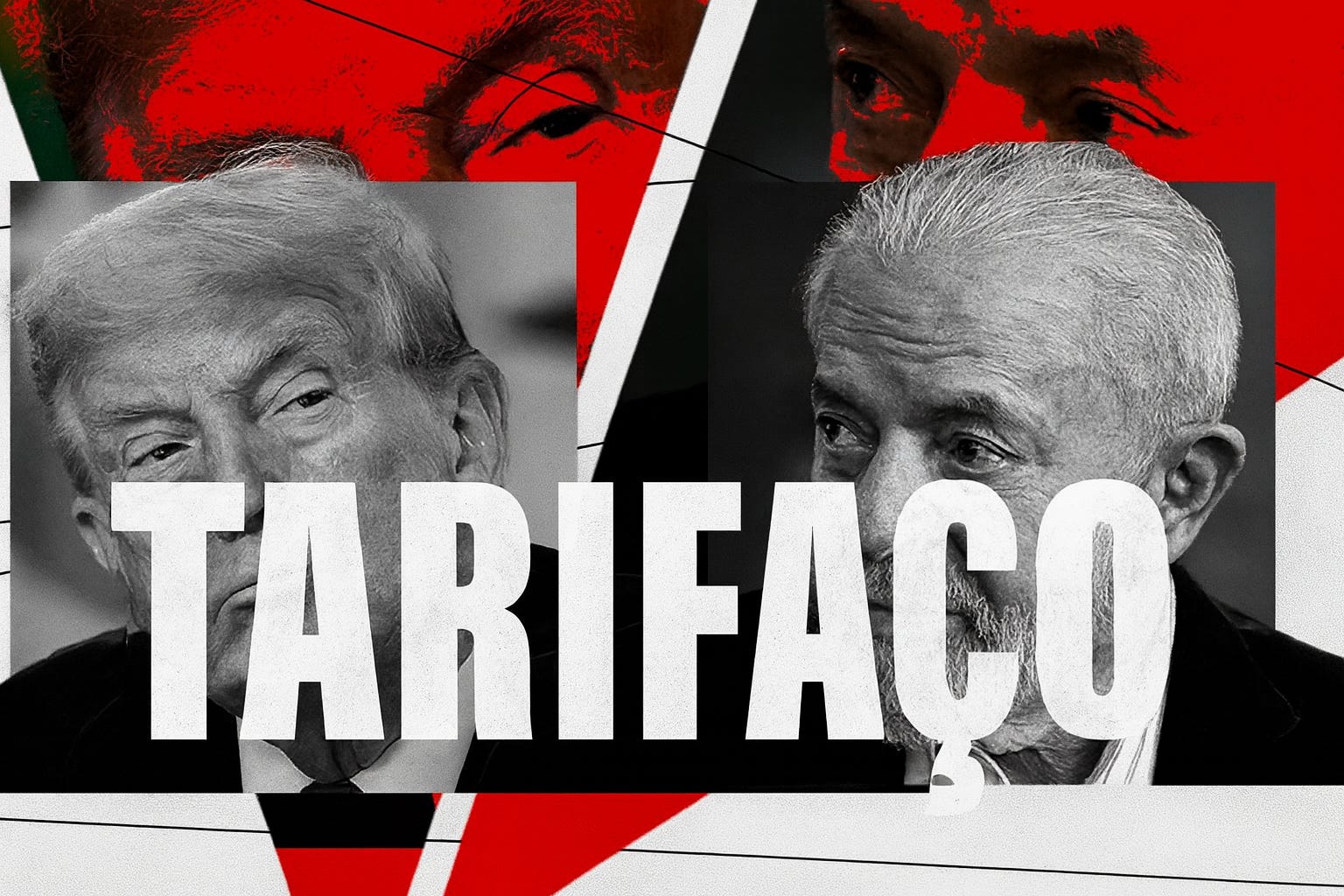
What Happened: The "Tarifaço" in Context
Trump’s decree imposed a 50% duty on most Brazilian exports to the U.S., sparing civil aviation products (Embraer jets), crude oil, fertilizers, and orange juice. Coffee, beef, semi‑finished steel, and manufactured goods are hardest hit.
Brazilian outlets framed the move as politically charged — tied to Bolsonaro’s ongoing trial and Brazil’s closer alignment with BRICS — but also acknowledged patterns: Trump’s tariffs fit a broader legacy of U.S. protectionism dating back to Section 232/301 actions in 2018.
“Trump escancarou uma postura que pouco tem de lógica econômica e muito de interesses pessoais,” ("Trump laid bare a posture driven less by economics and more by personal interests.") wrote CartaCapital — yet others, like Valor, noted possible domestic drivers: steel‑state politics, U.S. election cycles, and signaling to China.
Government Response: Sovereignty First — and Its Limits
President Luiz Inácio Lula da Silva’s first reaction set the tone: Brazil would not compromise judicial independence to appease Washington. He told Folha de S.Paulo:
“O Brasil é um país soberano e não aceita interferência de quem quer que seja.” ("Brazil is a sovereign country and does not accept interference from anyone.")
The Foreign Ministry (Itamaraty) returned Trump’s letter — an unusual gesture — and lodged a WTO complaint. Officials also floated invoking Brazil’s Lei da Reciprocidade to impose counter‑tariffs, though analysts in Valor cautioned that Brazil’s smaller economy limits its leverage: any tit‑for‑tat could hurt Brazilian importers of U.S. machinery and tech.
At the WTO, Ambassador Philip Gough warned:
“Negociações baseadas em jogo de poder são um atalho perigoso para a instabilidade e a guerra.” ("Negotiations based on power plays are a dangerous shortcut to instability and war.")
Still, outlets reminded readers that with
...This excerpt is provided for preview purposes. Full article content is available on the original publication.