Once Again, The Day Is Saved...
This essay originally appeared in the anthology “Animated Mischief”(McFarland and Co., 2023).
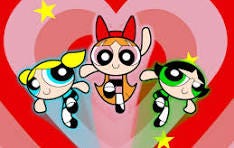
In 1998, towards the end of a remarkably creative decade in the history of television animation, one of the most remarkably creative shows of that time appeared. It opened with these words, spoken in a deceptively serious and stentorian fashion:
Sugar, Spice, And everything nice
These were the ingredients chosen
To create the perfect little girls….
However, the creation process was altered when an “extra ingredient” was “accidentally” added- a mysterious brew known only as Chemical X. From that point on, nothing in the city of Townsville was ever going to be the same- to say nothing of the genre of animation as it would be presented in the medium of television.
Just as the show's heroines repeatedly "save the day" before bedtime at the end of the respective narratives, it can be said this program played a similar role of "savior" for the superhero sub-genre, helping to spawn the remarkably diverse world of action-comedy series that has come in its wake.
This essay explores the importance of The Powerpuff Girls (PPG) to the history of television animation in the United States in both creative and technical terms, with an emphasis on how it subtly subverted many of the established tropes of both television animation and the wider multi-media superhero narrative to achieve its aims. By situating the program within its historical context, and exploring the content and construction of some of its most audacious episodes, I will explore how this series, in spite of as well as because of its great popularity, came to be a ground-breaking series in many important respects.
*
Television animation in the United States has never had an easy existence. From its earliest days, it was condemned to critical shunning for its supposed lack of production values by fellow animators, and because it was supposedly used as a means to lure children in to both the benefits and deficits of television viewing. This latter view in particular, a hold-over from the days of theatrical animation, has often been used to attack the genre and its producers, even when this was not the intended case, and as, since the 1990s, children ceased to be the only perceived target audience- if they ever were that at all.
While a number of highly accomplished series were produced in the 1950s and early 1960s, particularly by
...This excerpt is provided for preview purposes. Full article content is available on the original publication.