Bubble Memory: A CEO’s Reflections on the Dotcom Boom and Bust
Deep Dives
Explore related topics with these Wikipedia articles, rewritten for enjoyable reading:
-
Dot-com bubble
15 min read
The article extensively discusses the dotcom boom and bust as a historical parallel to today's AI bubble, making the full economic history of this speculative period essential context for understanding Case's perspective
-
AOL
15 min read
While the article discusses AOL's significance, readers would benefit from deeper understanding of its full corporate history, technological innovations like AIM and dial-up internet, and its cultural impact beyond what the article covers
-
Breakup of the Bell System
12 min read
Case specifically mentions the 1984 AT&T breakup as crucial to internet development, but most readers won't know the antitrust details of how the seven Baby Bells were created and why this enabled competition in telecommunications
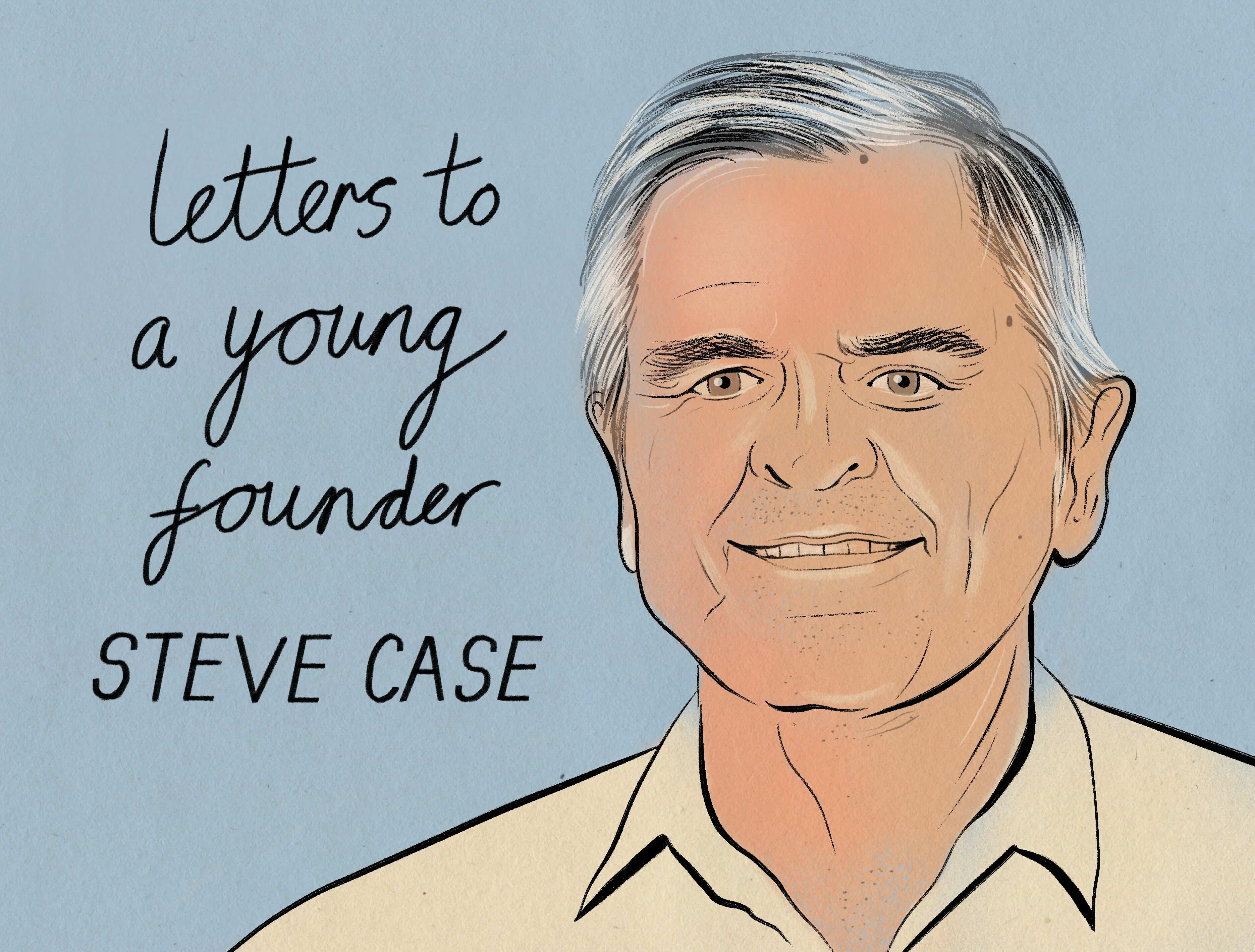
Friends,
Perhaps no one experienced the dotcom boom and bust quite as viscerally as Steve Case. The founder of Revolution began the decade as an executive at a small software company called Quantum Link, and ended it as the CEO of a behemoth: AOL.
It is hard to overstate just how important a company AOL was at the start of the millennium. Unless you were already of working age and minded towards tech and business, there’s a good chance you haven’t calibrated its size appropriately. AOL was a giant. Between its IPO in 1992 and the start of the new millennium, its stock appreciated approximately 80,000%, reaching a peak of $222 billion in December 1999. By that point, it had eclipsed many of the business world’s biggest companies, surpassing Disney, IBM, McDonald’s, and Berkshire Hathaway. At the time, AOL was larger than Boeing and General Motors combined.
It was also wildly significant and influential, responsible for opening the internet up to a new generation of users and making it fun to use. The AOL of that era pioneered many of the user experiences and behaviors that make up the modern web, from screen names to instant messaging.
In January 2000, AOL looked set for another decade of dominance. On the tenth of that month, it announced a planned merger with Time Warner. Remarkably, AOL was the senior partner, receiving 55% of the combined $350 billion entity. Again, the scale of the deal is hard to comprehend unless you lived it. At the headline valuation, AOL Time Warner became the fourth largest company on the planet – a figure greater than “the output of Russia or the Netherlands.”
What came after is the subject of much study and coverage. The market crashed, the merger failed, and not long after, Case stepped down as AOL CEO. By 2005, Case publicly argued in favor of the two companies splitting, and at the end of the decade, that came to fruition. Though there were strong strategic merits to an AOL-Time Warner union, it proved to be a marriage that suited neither party.
It seems as if we are in yet another torrid cycle and potentially one of greater magnitude than that which Case surfed. A recent analyst report argued that the current AI bubble is 17x greater than its dotcom corollary, and 4x larger than the 2008 financial
...This excerpt is provided for preview purposes. Full article content is available on the original publication.