Net Zero Sum Games
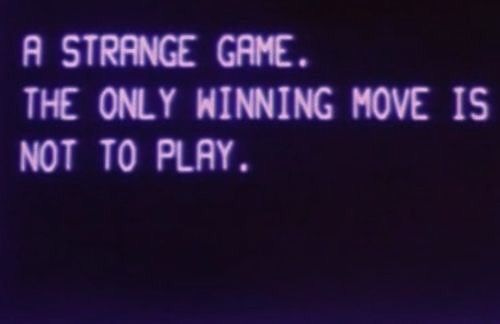
I’d written, last week, on the tip-toe towards a form of politics in Britain in which “sacrifices” are expected from most people to meet the rising costs and difficulties of economic life. These will be blamed on the war in Ukraine and, whilst the demands are already coming in for exceptional increases in military spending, the pressure on living standards pre-date Russia’s invasion.
Those pressures pose sharp political challenges, most immediately centred on the costs and difficulties of maintaining our current levels of energy consumption. The price of natural gas hit an all-time high last week, of 345 euros per megawatt hour. This is exceptional: for a decade before the last 12 months, the price had never risen above 12 megawatts per hour. Already, demands from the right are that fracking be restarted in Britain, whilst permits to drill the (rapidly depleting) North Sea fields are to be distributed like confetti; although as Business Secretary Kwasi Kwarteng pointed out, neither will do anything to alter the price of gas as set by international markets. Nor will ditching the Net Zero target, as demanded by Nigel Farage: wind energy is now hugely cheaper than natural gas, per megawatt hour, and British domestic bills are lower over the last year because of wind production (scroll down!).

Source: Quartz
Evidently nonsense in the longer term, the calls to immediately burn more fuel will do little to nothing in the short term, either. But then neither will demands for greater investment in wind and other renewables; it may only take two years to build a wind farm, as Caroline Lucas has argued, but that is two more winters to get through. Labour has doubled down on its demands for green investment but, again, a mass loft insulation programme – essential as it is – does not address most households facing a squeeze right now. The party leadership has dropped its commitment to public ownership of energy production; as its left critics counter, public ownership could be a crucial element in managing disrupted global supplies and rapid decarbonisation. But public ownership would do little for the costs faced by households right now. Programmes for a “Green New Deal” suffer from a similar problem: correctly identifying one of the problems we face in the need to rapidly remove high carbon fuels from our energy systems, they have less to say on the
...This excerpt is provided for preview purposes. Full article content is available on the original publication.