Why Trump’s Attack on Refugees Could Hurt Grandma
Miami, Florida
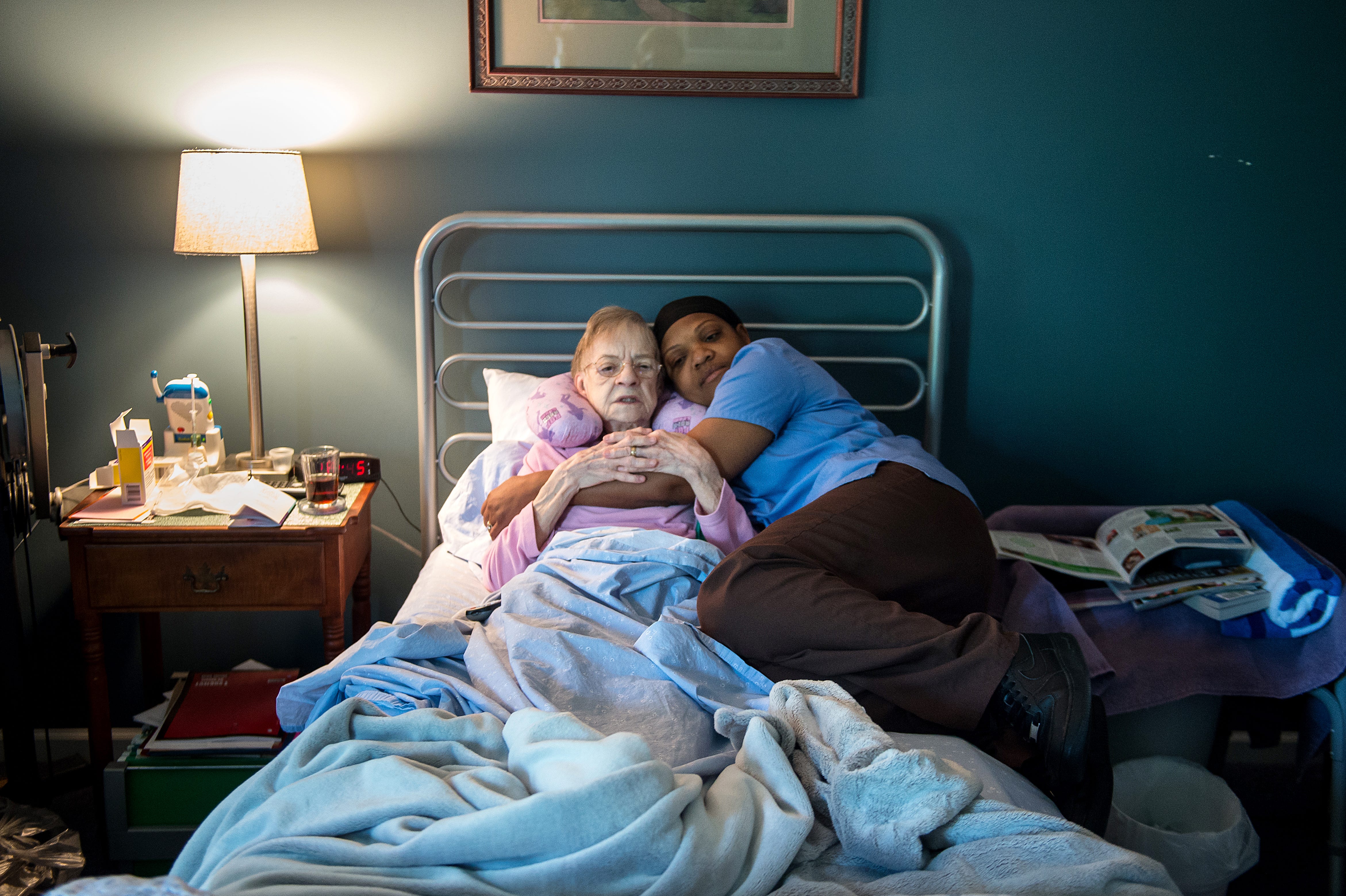
MARYSE, 56, HAS BEEN A HOME CARE WORKER in the United States ever since she moved here from Haiti sixteen years ago. Over the years, she estimates, she’s cared for more than two dozen people. Most have been seniors in physical or cognitive decline—among them, a Purple Heart recipient who had served in the Army and a former pilot who had flown missions over France and Africa during World War II. She has also cared for younger people with physical disabilities, including one who had cerebral palsy and another who had suffered severe head trauma in a car accident.1
It was not the career Maryse once imagined for herself, she told me last week. Back in Haiti, she was a journalist. But that was before a 2010 earthquake killed an estimated quarter million people and destroyed more than half of Haiti’s infrastructure, plunging the island nation into a state of extreme deprivation and violent anarchy.
At the time of the quake, Maryse was staying with family in the United States, her two children in tow, wondering what kind of life waited for them back home—or if they could even survive there at all. That’s when the Obama administration granted Haitians “temporary protected status” (TPS), a designation that allows foreigners to stay and work in the United States legally when their home country has become dangerous because of natural disaster, armed violence, or other “extraordinary” circumstances.
Maryse’s priority at that point was providing for her kids, and her English wasn’t good enough for media work in the states. At her sister’s urging, she says, she enrolled in classes to become a certified nursing assistant, following a well-worn path for Haitian immigrants who knew the high demand for caregivers meant it would lead to reliable employment—and who frequently saw caring for others as a calling, not just a paycheck.
The work has never been easy or simple. A typical day will involve some combination of cooking and driving, bathing clients (home care workers typically don’t refer to them as “patients”) and helping them with the toilet. Sometimes the most important thing is to provide simple companionship, she told me, whether it’s on a walk in the park to hear old stories or in front of
...This excerpt is provided for preview purposes. Full article content is available on the original publication.