Welcome Back to the Office. You Won’t Get Anything Done
Deep Dives
Explore related topics with these Wikipedia articles, rewritten for enjoyable reading:
-
Open plan
12 min read
The article critiques modern office environments where workers wear headphones to block out distractions and are 'piled on top of each other.' This topic explores the history, research, and controversies around open office designs that the article implicitly criticizes.
-
Scientific management
11 min read
The article argues RTO mandates are fundamentally about control rather than productivity. Scientific management (Taylorism) provides essential historical context for understanding how workplace control and efficiency became intertwined in American business culture, directly relevant to the author's thesis.
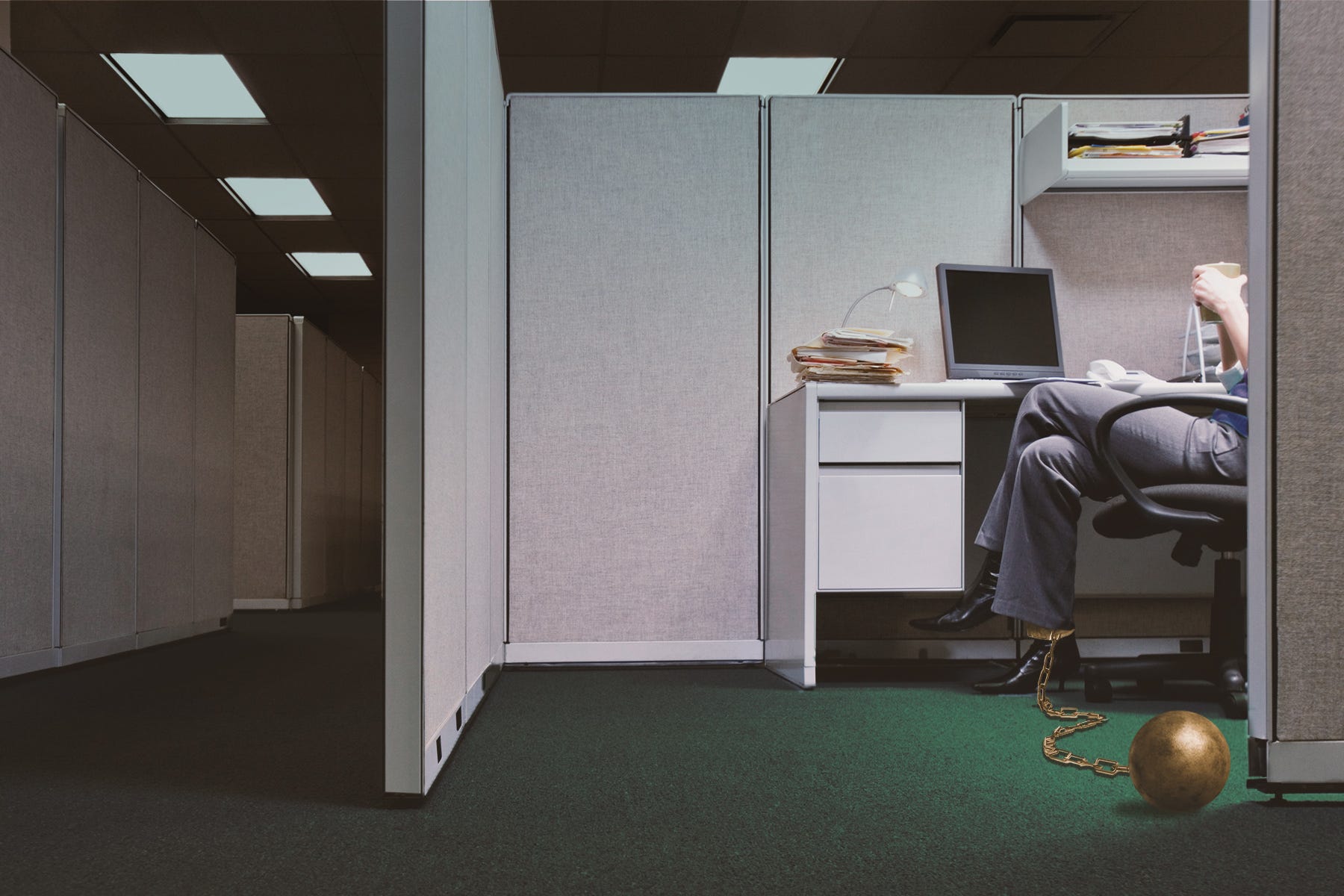
iStock / Ana Luisa O. J.
This story was originally published on thewalrus.ca
By
My first office job was an internship at a law firm in Washington, DC. I was twenty years old and a college student, which meant that I was quite useless. I found out that it was one kind of torture to do pointless work for two or three hours a day—usually, producing research memos that no one read—and then another kind of torture to figure out how to do nothing until it was acceptable to leave the office at 5 p.m. I spent a lot of time texting two friends from high school, who were also newly stuck in office jobs of their own. I perfected my technique for napping while sitting upright.
My second office job was an internship at a management consulting firm in Manhattan when I was twenty-one. At work, I was either gossiping with my fellow interns, trying to figure out how to optimize my per diem for lunch, or messaging different people on dating apps while waiting for one particular person to text me back.
But my lackadaisical workdays as a management consultant weren’t entirely my fault. The office was full of distractions, and I found it difficult to focus. People were frequently pulling me into unnecessary meetings or taking calls around me. Also, I function best when I have a snack every two hours or so. At the office, I was too self-conscious to eat, so I spent hours trying to distract myself from my hunger instead of working. I inevitably did most of my “work”—making PowerPoints and fiddling with spreadsheets—in the evenings and over the weekends. After that summer, I absconded to graduate school and vowed to avoid any job that would require me to be in an office from nine to five for as long as possible.
During the pandemic, the glass high rises that struck terror into my young, impressionable heart stood empty, and for a while, people wondered whether offices were relics of the past. But over the past two years, companies have begun to call employees back into the office. Ontario public servants are expected to return to office full-time this month. Major banks, including the Royal Bank of Canada, Scotiabank, TD, and the Bank of Montreal, have asked employees to come in four days a week. These announcements followed on the tail of controversial
...This excerpt is provided for preview purposes. Full article content is available on the original publication.