Giving parents cash shouldn't just be a right-wing idea
I’m a huge fan of Chris Hayes’s podcast Why Is This Happening, so it was a treat to appear on his podcast this week talking about my experience as a dad who “leans out.” As you probably know, I’ve written about my experience “leaning out”—that is, prioritizing child care over work so that my wife can focus on her own career as a physician. Chris and I discussed that experience on his show.
Near the end of the interview, Chris asked me if our conversation had any policy implications. I said that if the government is going to spend more money supporting the parents of young children, as many liberals advocate, it would be better to do this by giving parents cash rather than spending it on subsidized child care.
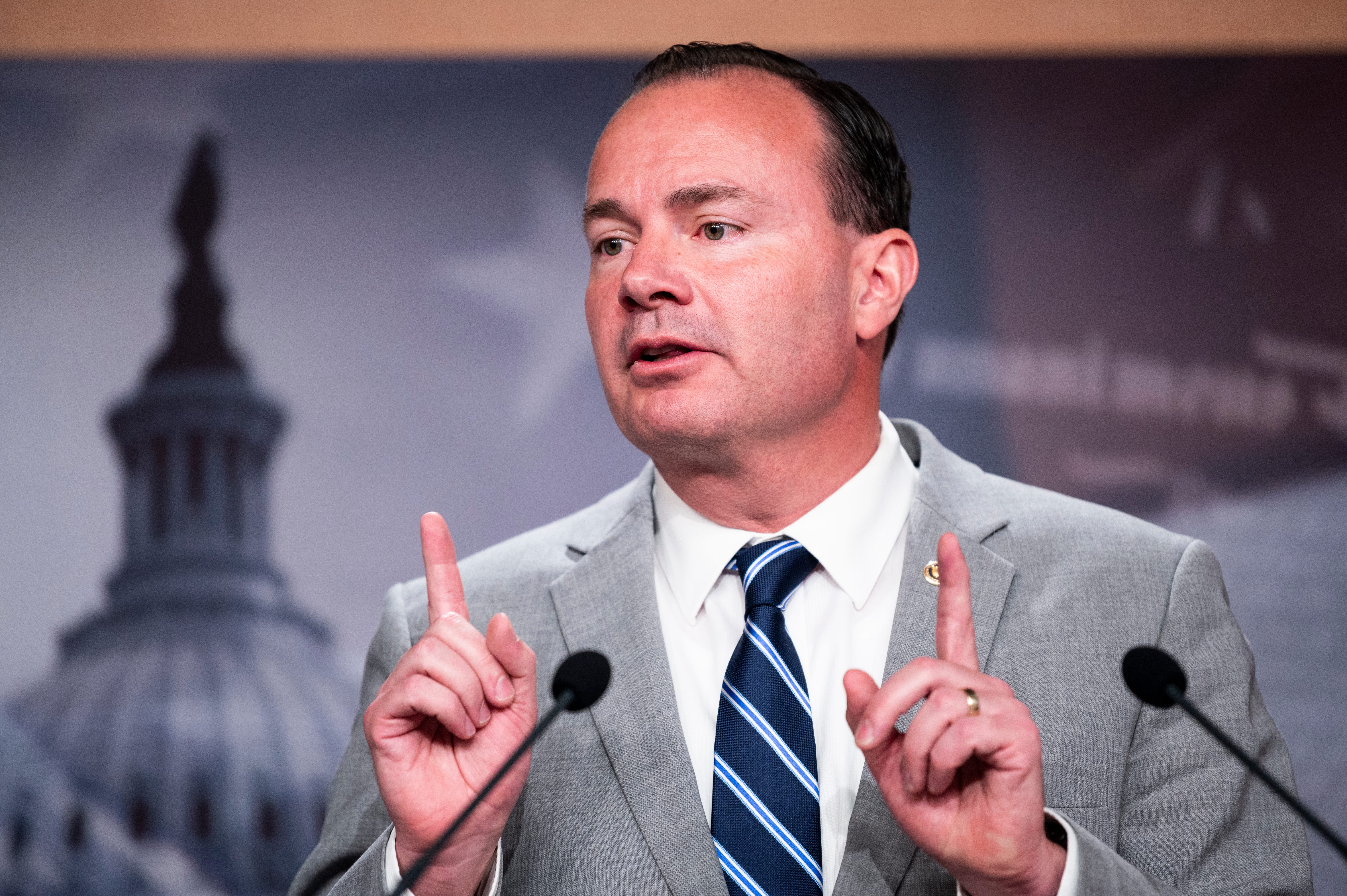
Chris took the conversation in a direction I didn’t expect, describing this as “basically a conservative position.” He pointed to Republican senators like Utah’s Mike Lee, who has advocated giving parents of young children a larger child tax credit as an alternative to government-supported day care. I don’t think Chris is wrong about the way this debate played out last year. But I do think that giving parents of young children cash rather than child care subsidies makes sense in progressive terms.
There’s no good reason to prefer day care over at-home parenting
This debate is somewhat analogous to one we’ve had in the K-12 education world for decades. Conservatives have proposed giving parents vouchers that let them choose where and how to educate their kids. There are two big reasons that progressives oppose this idea:
The public has an interest in ensuring that every child gets an education so that they can fully participate in society as workers and voters. Directly providing schooling enables the government to maintain minimum quality standards.
Public schools can be an engine for racial and economic integration. With public schools, every family in a particular community sends their kids to the same school whether they are rich or poor, black or white.
As a bit of a right-winger myself, I’ll note that both of these premises are debatable even in the K-12 education context. Public schools don’t always do a good job of educating their students, and residential segregation has led to many communities having de facto school segregation.
But the more
...This excerpt is provided for preview purposes. Full article content is available on the original publication.