You can afford a tradlife
Deep Dives
Explore related topics with these Wikipedia articles, rewritten for enjoyable reading:
-
Household income in the United States
10 min read
The article centers on whether single-income households can maintain middle-class living standards. This Wikipedia article provides historical data on dual-earner trends, median income changes since the 1960s, and the economic context for the debate about whether families 'need' two incomes.
-
Tradwife
14 min read
The article directly references 'tradwives' and the social media phenomenon of performing traditional homemaker lifestyles. This Wikipedia article explores the cultural movement, its origins, the influencer economy around it, and the tensions between performance and actual domestic arrangements.
-
Consumer price index
11 min read
The article's core argument hinges on inflation-adjusted income comparisons between 1960s and today, relative price shifts, and what constitutes 'real' purchasing power. Understanding how CPI is calculated and its limitations is essential context for evaluating claims about living standards over time.
Before we get to today’s post, I wanted to share a quick update on our GiveDirectly fundraiser. It should come as no surprise that Slow Boring readers have once again risen to the occasion. Our goal was to raise $1,000,000 in the month of December, and in just three days, we’re almost 90% there. Some stats for you: Slow Boring readers have given $522,015 (the highest by far for any Substack participating in the fundraiser), and of the 1,134 of you who have donated, 506 are new GiveDirectly donors. Your donations have unlocked $212,118 in match funds for a grand total of $734,133!
This is incredible, and we’re grateful to have such a generous audience. If you haven’t had a chance to donate yet and are so inclined, we’d love to make it all the way to $1,000,000 by the end of the week!
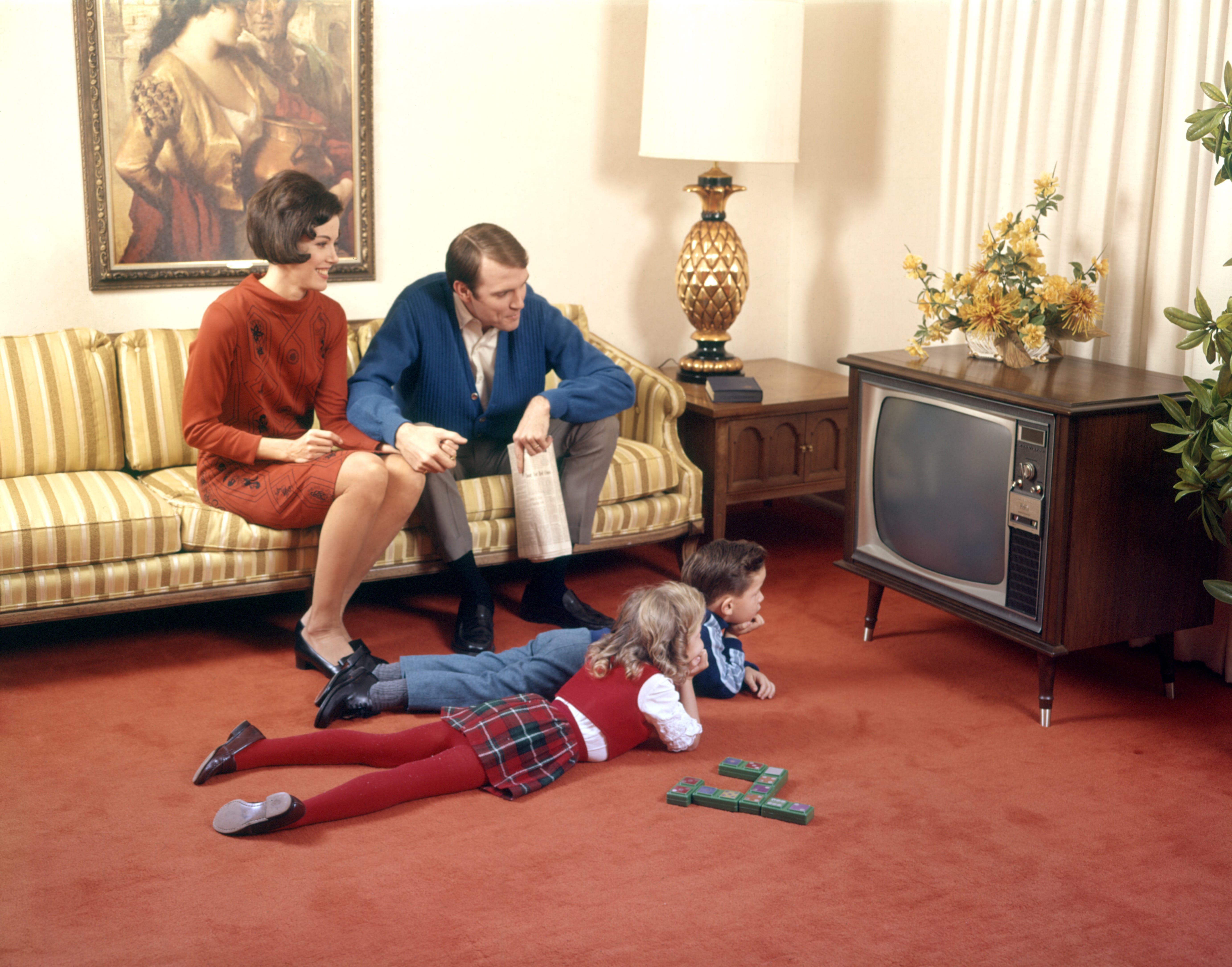
One of the most persistent confusions about the economy, one that ricochets through the internet over and over again, is the notion that the decline of the two-parent, one-income household represents a decline in American living standards.
The claim pops up in various forms, and it’s central to Michael Green’s recent viral article contending that the “real” poverty line in the United States is in some sense $140,000. Green’s piece is full of errors, which its fans seem to have largely conceded, but they feel that he’s right on the level of vibes, and I think this bit about dual-earner families is the core of that.
He writes that between 1963 and 2024 “everything changed” and that today a family needs two incomes to maintain the standard of living that used to be provided by one:
The labor model shifted. A second income became mandatory to maintain the standard of living that one income formerly provided. But a second income meant child care became mandatory, which meant two cars became mandatory. Or maybe you’d simply be “asking for a lot generationally speaking” because living near your parents helps to defray those child care costs.
I think that this is more important than any specific factual claim Green makes about economic data, because it is unquestionably true that this type of household has gone into decline.
The ideological claim that this decline is bad is a fair topic for debate. And I think
...This excerpt is provided for preview purposes. Full article content is available on the original publication.