The High School Graduates Are Not All Right
Problems with K-12 education are increasingly affecting students after they graduate from high school. Schools can address those problems, but we need to be clear on what they are.
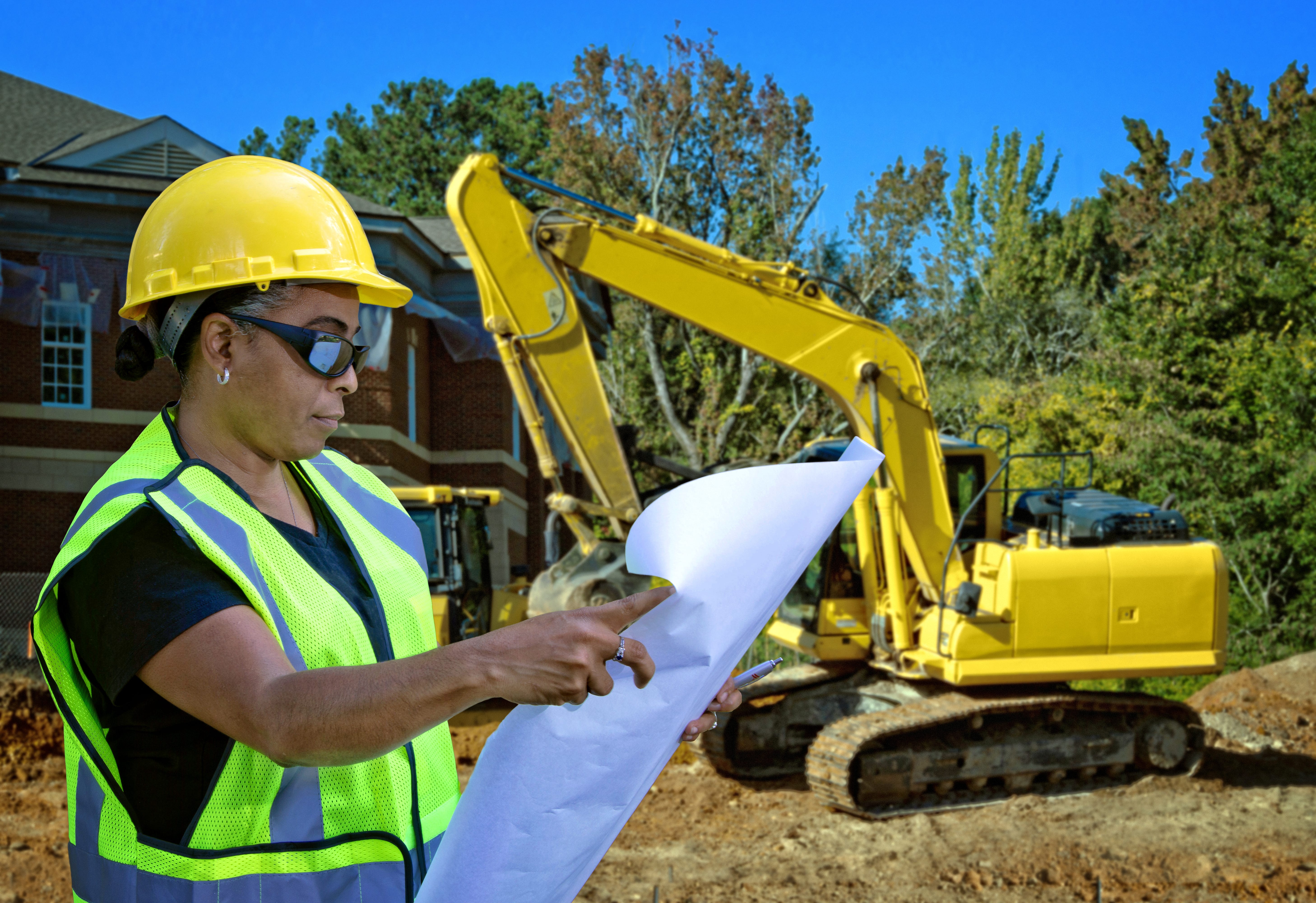
We’ve been hearing for months about how college students “can’t read books.” Now the New York Times is taking notice of another problem: many high school graduates don’t have the “fundamental reading and math skills” needed for jobs in fields like health care and construction—jobs that often don’t require a college degree.1
The Times article focuses mostly on math, but it also lumps together “fundamental reading and math skills” in a way that suggests that what’s needed is a “back to basics” approach in K-12 schools. The issues go much deeper than that.
While there are some similarities between the problems in reading and math instruction, there are also important differences. As Holly Korbey has noted, on the math side, one factor is that it’s hard to find qualified teachers (if you’re a math whiz, you can probably make a lot more money doing something else). Another is that commonly used curricula and teaching techniques don’t line up with what science has discovered about how people learn.
That can mean children never master basic concepts like multiplication or even just how numbers relate to one another. But they get passed on from grade to grade, and the curriculum assumes they’ve already learned that stuff. As Korbey observes, students who struggle with reading are more likely to get tutoring or other support than those who struggle with math. So kids may never get the clear, explicit instruction and practice in the fundamentals that would enable them to understand more complex math concepts.
A lack of math skills may be most obvious in the kinds of jobs mentioned in the Times: if you’re a health care worker, for example, you need to be able to calculate the dosage of a medication. If you’re a truck driver, you need to be able to calculate the weight distribution on your truck.
But in many fields, you also need to be able to read and understand a job manual or write a report, especially if you want to move up the career ladder. Even if you rely on AI, as the article points out, you need to be able to determine if whatever the bot spits out makes sense.
Deeper Problems with Literacy
...This excerpt is provided for preview purposes. Full article content is available on the original publication.