Why Zipcar gave up on London
Deep Dives
Explore related topics with these Wikipedia articles, rewritten for enjoyable reading:
-
Carsharing
18 min read
The article centers on Zipcar's car-sharing model but doesn't explain the broader history and economics of carsharing as a transportation concept. Understanding how carsharing emerged, its various models (round-trip vs. one-way), and why it has succeeded or failed in different cities provides essential context for why Zipcar struggled in London specifically.
-
London congestion charge
11 min read
The congestion charge extension to EVs is cited as a major factor in Zipcar's closure. The Wikipedia article covers the charge's 2003 introduction, its evolution, economic impacts, and political controversies - giving readers the full policy history behind the £13.50 fee mentioned in the article.
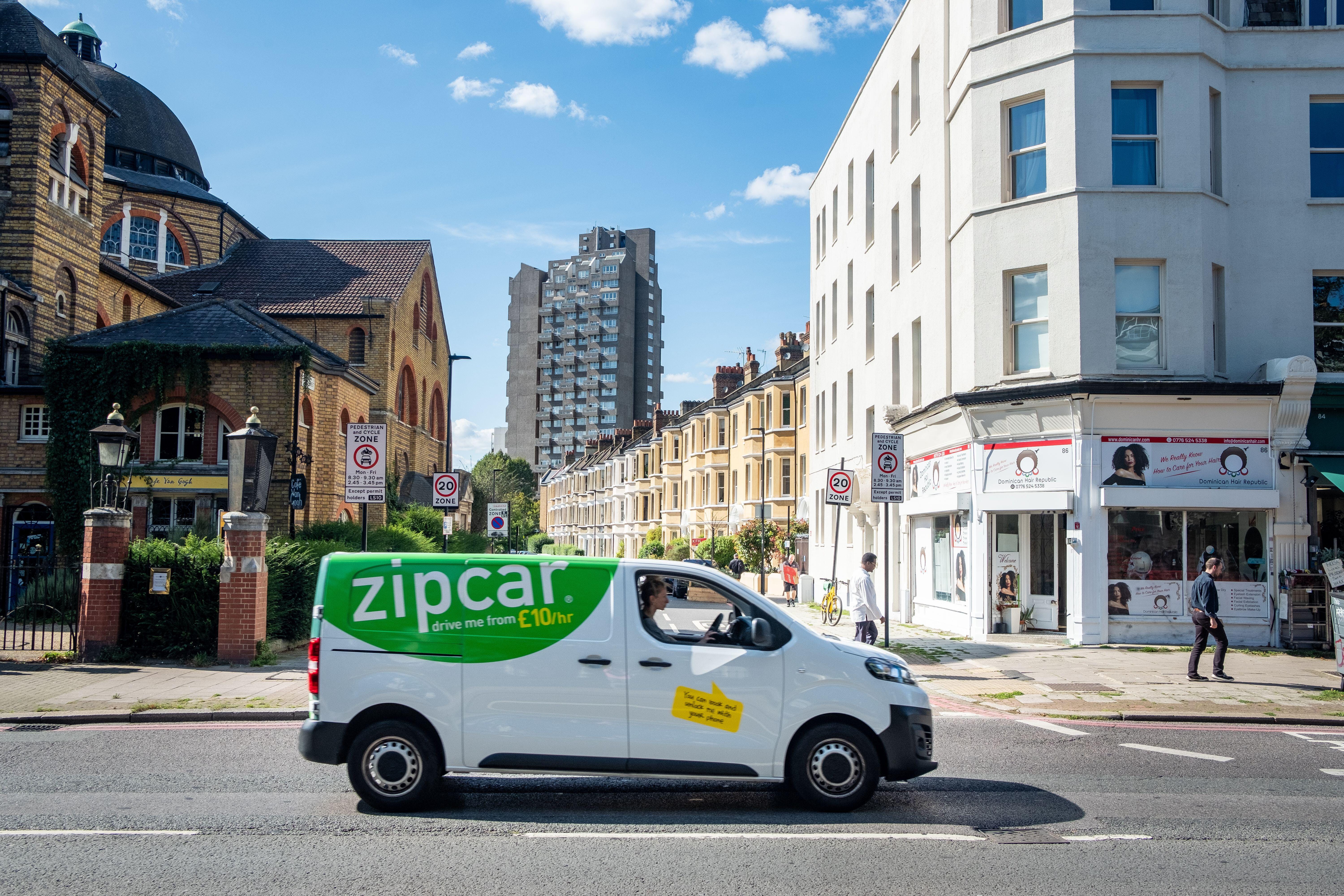
Zipcar is shutting down in London at the end of December. For some people that won’t mean anything — but for hundreds of thousands of Londoners the closure of the car-sharing service will make it far harder to live the capital without owning a car.
For the unaware, Zipcar offers thousands of cars and vans across London that could be rented off the street for between £6 and £15/hour including fuel, insurance, and breakdown cover – all unlocked through a phone app. Users are billed according to the time used, as well as the mileage if they went a long distance. Some cars are based in specific locations and had to be returned there. Others can be used for one-way journeys and dropped across most of central London and at Gatwick and Heathrow airports.
Over the two decades, Zipcar has become the de facto monopoly provider of car-sharing services in much of the capital, used by people who need to move flats, pick up furniture, or just do a big supermarket shop without having to pay to own a vehicle full-time.
Then, on Monday afternoon, Zipcar announced it intends to close down at the end of this month, posing new challenges for Sadiq Khan’s already-troubled targets to decarbonise London transport and reduce car dependency.
“Costs have continued to rise”
Caroline Russell, the leader of the Greens in the London Assembly, told London Centric it was “grim news” and noted that on a personal level she depends on it “to visit my elderly mum”.
Zipcar’s planned closure date coincides with the mayor’s decision to introduce a new £13.50 daily congestion charge on electric vehicles, a move that would hit any Zipcar that is picked up outside the zone and driven through central London. The company had already said it would pass on the cost to drivers, substantially raising the price of a car journey through the heart of the capital — and making it much less financially attractive.
“I wish it was more of a surprise,” said Richard Dilks, the chief executive of CoMoUK, a charity dedicated to promoting shared transport. He said Zipcar had been in trouble for a while: “Costs have continued to rise while consumer demand has been fairly fragile.”
So what went wrong?
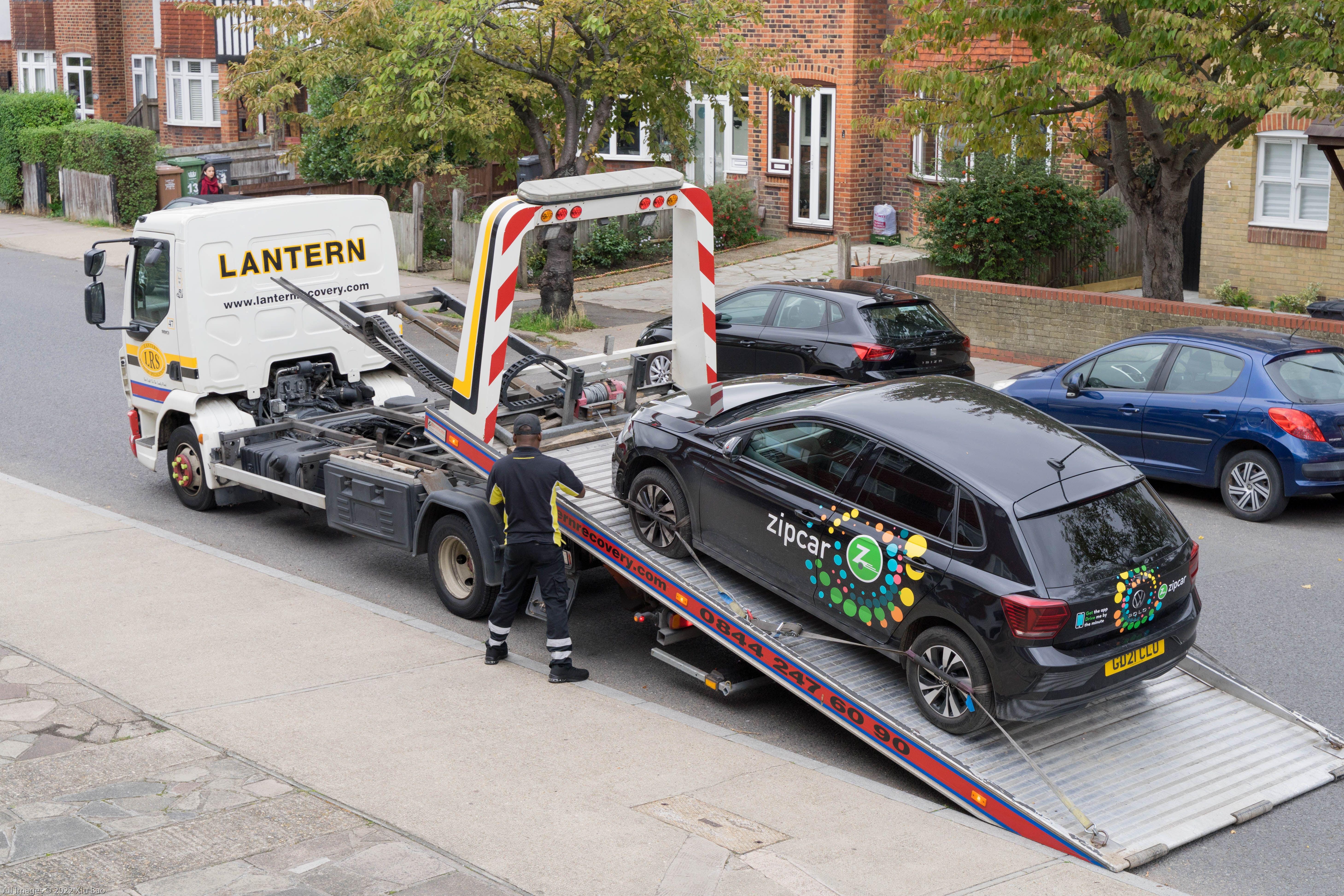
The congestion charge extension might have been the final nail in Zipcar’s coffin. But looking at the company’s UK accounts, it’s clear the business
...This excerpt is provided for preview purposes. Full article content is available on the original publication.