One way the shutdown deal might actually help Democrats
Deep Dives
Explore related topics with these Wikipedia articles, rewritten for enjoyable reading:
-
Supplemental Nutrition Assistance Program
15 min read
SNAP is central to the article's argument about Democrats' shutdown strategy. Understanding the program's history, scope (serving 1 in 8 Americans as mentioned), and political battles over it provides essential context for why it's such potent political leverage.
-
Affordable Care Act
13 min read
The article discusses ACA subsidies as a key Democratic bargaining chip and notes 22 million Americans receive expanded subsidies. Understanding the law's structure, particularly the subsidy provisions and their expiration timeline, illuminates why this is such high-stakes leverage.
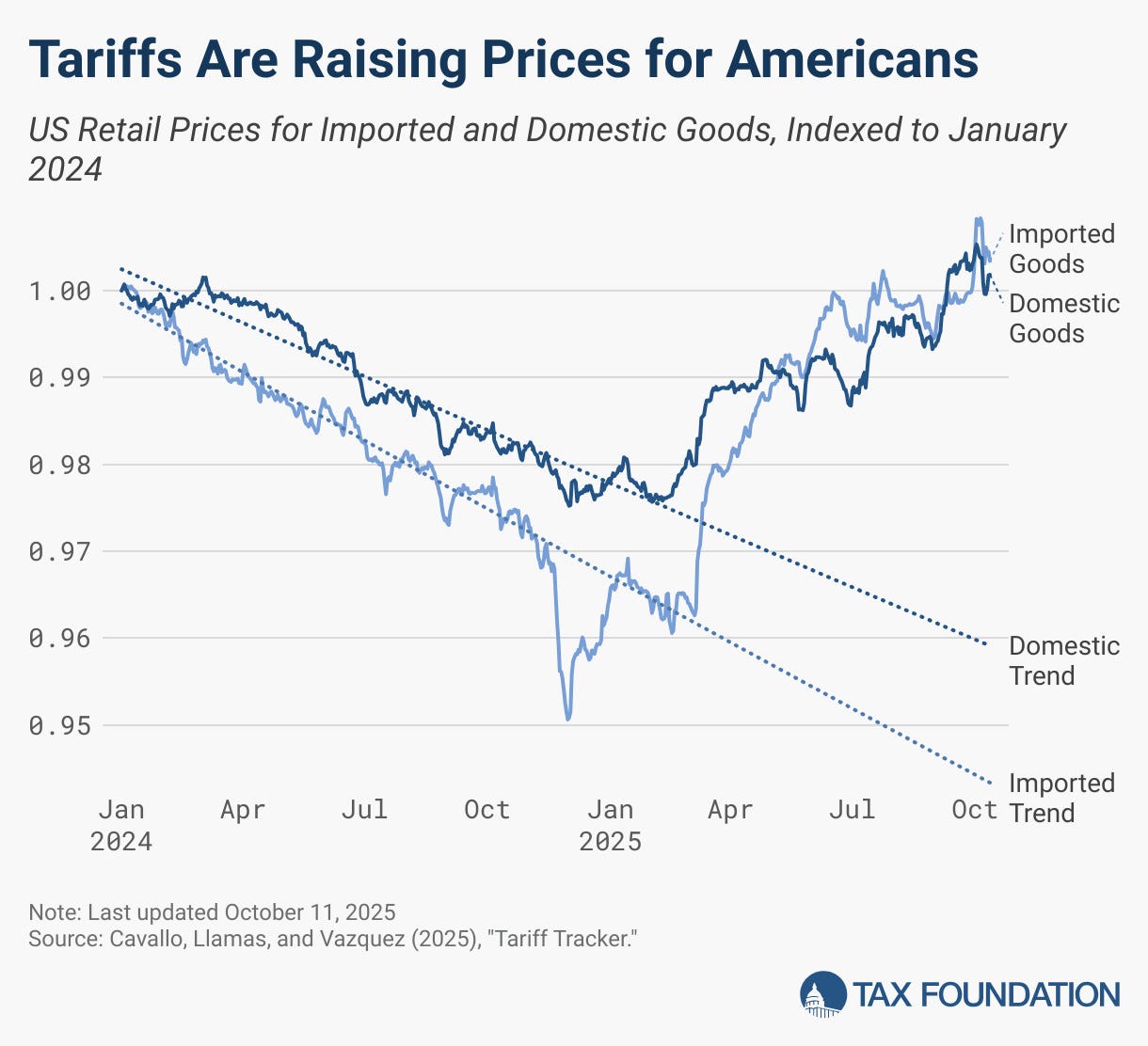
Democrats won the 2025 elections in large part due to a successful message on affordability. The one thing that Abigail Spanberger, Mikie Sherrill, and Zohran Mamdani have in common is that they ran campaigns relentlessly focused on the cost of living and Trump’s direct contribution to higher prices — mainly from tariffs.
Zooming out, anti-incumbent sentiment also helped these candidates transform “inflation” (really it’s elevated nominal prices, not annual change in prices) into an issue that favors Democrats — a big shift since Nov. 2024. As of Q3 2025, the Democrats have their first lead on the economy in over 5 years — and the largest lead over Republicans in over a decade.
One editorial interpretation of Democrats’ success last week is that the party has succeeded in convincing a majority of voters that it cares about them (I will have updated polling data on this question next week). Probably the biggest weakness for the party in 2024 was that most voters said it was out of touch with them/that Democrats don’t care about the average person.
So what can the party do about this?
Well, running campaigns on affordability evidently helps. Spanberger won Virginia voters who said the economy was their #1 issue (48% of voters) by 30 percentage points, according to the exit poll. That’s a 93-point reversal in the partisan lean of the issue since 2024.
But the other thing voters say they want is for the Democratic Party to actually fight for them. And although the Democrats compromised to end the recent government shutdown, their “caving” paradoxically presents a potential win on the “we care about average people” axis of party competition.
Today’s Chart of the Week: One way the shutdown deal might actually help Democrats.
Ending the shutdown gives Democrats the chance to say they saved SNAP
First, here’s where I admit that my first instinct about Democrats ending the shutdown may have been wrong. Here’s what I posted on social media:
Now, maybe there are some outstanding questions about the optimal caving strategy Democrats could have used: maybe they “should” have waited another week. Or maybe another two.
But after getting the first post-shutdown polling data back, there are some bright spots for Democrats that might actually validate their earlier-than-expected deal.
Here’s what YouGov found. In a poll conducted entirely on Monday, when the deal was initially announced (but
...This excerpt is provided for preview purposes. Full article content is available on the original publication.