Why is Cardinal Parolin visiting an insurgency hotspot?
Deep Dives
Explore related topics with these Wikipedia articles, rewritten for enjoyable reading:
-
Flag of Mozambique
11 min read
Linked in the article (8 min read)
-
2024 Mozambican general election
11 min read
Linked in the article (6 min read)
-
Cabo Delgado Province
14 min read
Linked in the article (7 min read)
Vatican Secretary of State Cardinal Pietro Parolin arrived Monday in one of the most dangerous places in the world for Christians.
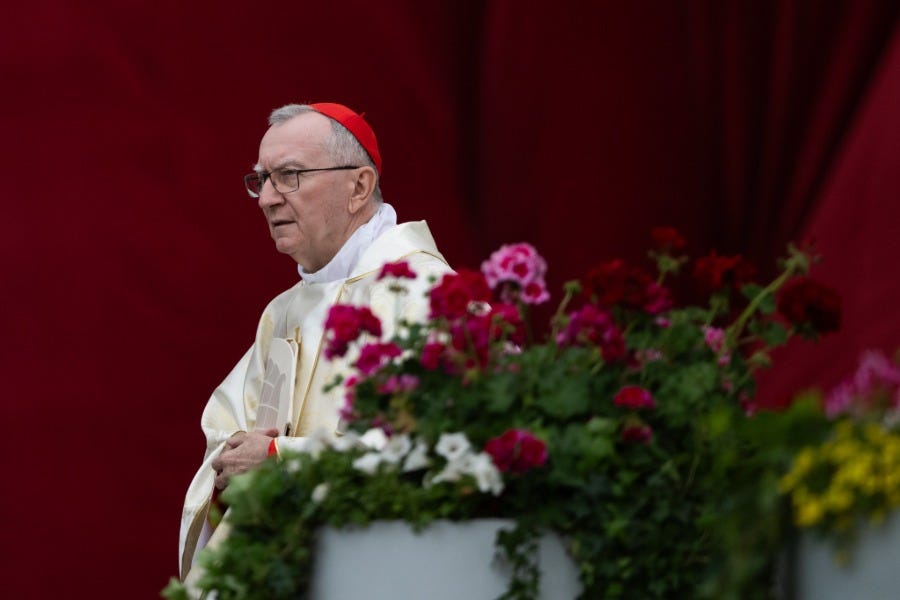
The Vatican’s most senior diplomat traveled Dec. 8 to Pemba, the capital of the strife-torn Cabo Delgado province in northeastern Mozambique.
He visited the area, which has suffered since 2017 from an Islamist insurgency, during a Dec. 5-10 trip to the southeastern African nation.
What is happening in Cabo Delgado province? Why did Parolin make the trip? And what’s likely to happen next?
The Pillar takes a look.
What’s happening?
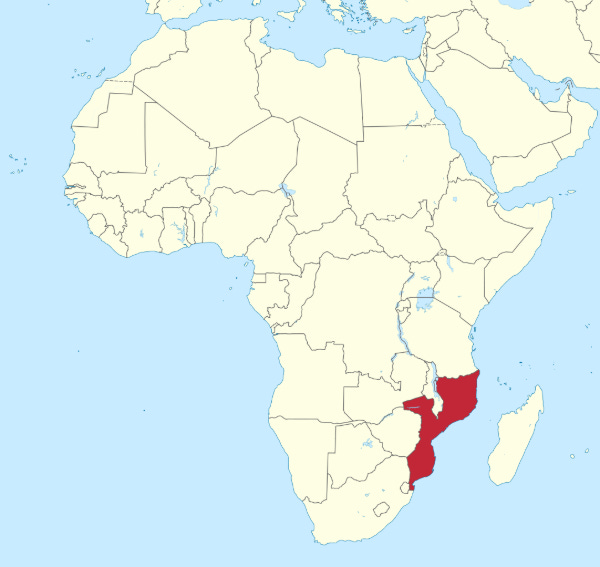
Mozambique is a country of around 35 million people that borders Tanzania, Malawi, Zambia, Zimbabwe, South Africa, and Eswatini. Roughly two-thirds of the population is Christian. The largest minority religion is Islam. The country has a secular government and a history of largely peaceful relations between Christians and Muslims.
Mozambique gained independence from Portugal in 1975, but was engulfed by civil war two years later. The conflict was only brought to an end in 1992, thanks to mediation efforts by the future Cardinal Matteo Zuppi and the Rome-based Sant’Egidio Community.
In a mark of its turbulent recent history, Mozambique is the only country in the world to feature a modern firearm on its flag. The design, adopted in 1983, depicts an AK-47 assault rifle.
Although Mozambique is rich in natural resources, including natural gas, most of the population lives in poverty. Poverty is especially concentrated in the three northern provinces: Cabo Delgado, Niassa, and Nampula.
The country is also politically unstable. Mozambique’s 2024 general election was marred allegations of fraud. Hundreds of people were killed when police and armed forces repressed mass protests following the vote.
In 2017, mostly homegrown jihadists launched an insurgency in Cabo Delgado province, in the northeastern corner of the country, bordering Tanzania. Their goal was to establish an Islamic state in the province, which is 53% Muslim and 36% Catholic.
The main insurgent group is known as Ansar al-Sunna (Arabic for “Supporters of the Tradition”). It is also sometimes called Al-Shabaab (Arabic for “The Youth”), but it is not directly connected to the better-known Somali organization of the same name.
The jihadists target not only Mozambican security forces, but also local Christians. Their documented violations include beheadings, forced conversions and sexual enslavement,
...This excerpt is provided for preview purposes. Full article content is available on the original publication.