Addiction Markets: Abolish Corporate-Run Gambling
Deep Dives
Explore related topics with these Wikipedia articles, rewritten for enjoyable reading:
-
Murphy v. National Collegiate Athletic Association
14 min read
This is the 2018 Supreme Court decision mentioned in the article that enabled the explosion of online sports betting by striking down the federal ban on state-authorized sports gambling
-
Black Sox Scandal
18 min read
The article references 'the fixing of the 1919 World Series' as a historical example of gambling corruption in sports - this scandal fundamentally shaped American attitudes toward gambling in athletics
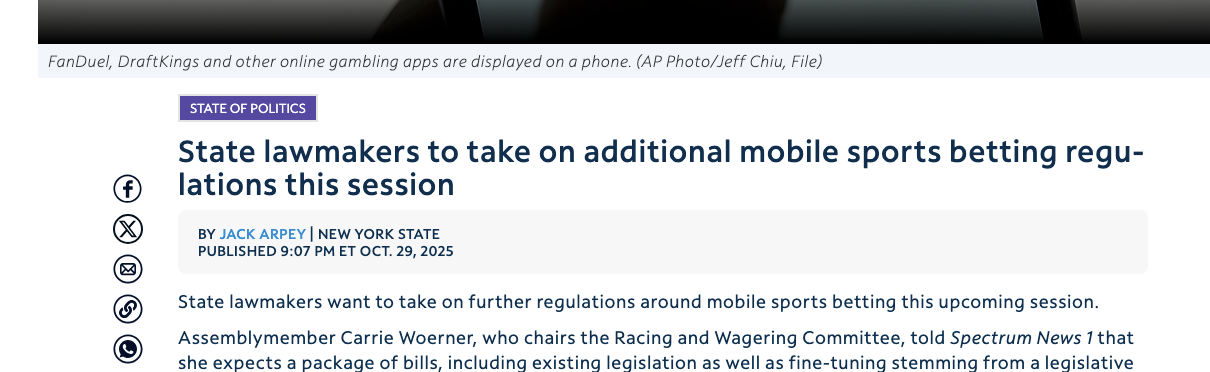
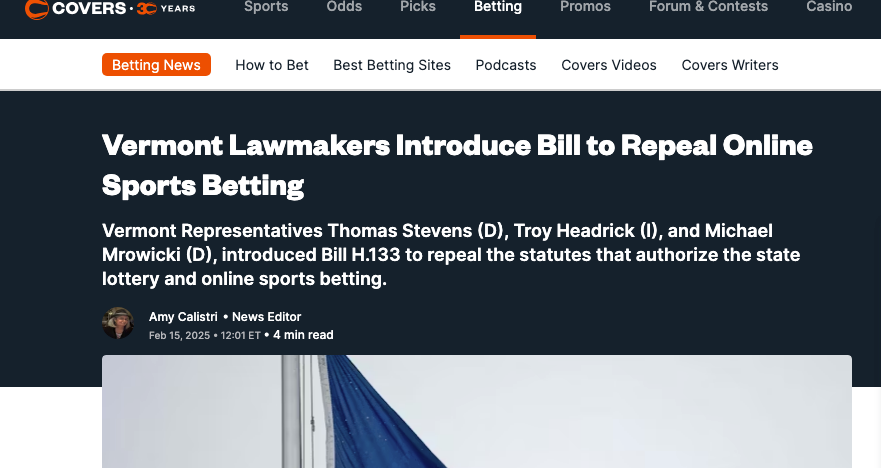
Earlier this year, Maryland state Senator Joanne C. Benson did something remarkable. She introduced Senate bill 1033, written for the “purpose of repealing online sports wagering” in the state. Now, I wouldn’t normally say a random state legislator introducing a proposal is a big deal. Except in this case, it’s the start of a counter-attack on the proliferation of corporate-run gambling across America, a trend that has largely gone un-rebutted since the 1970s. And Benson is not alone; lawmakers in Vermont and New York are seeking to push back, and more state legislatures are likely to follow.
Why the pushback? The answer is that corporate-run gambling is now pervasive in America, and Americans don’t like what they see. Gambling, particularly online sports betting, is now everywhere. About a fifth of Americans placed a bet in the past year, mostly through gambling apps. Since 2018, when online sports gambling got a big boost from a key Supreme Court decision, Americans have bet more than half a trillion dollars on sports.
And the attempts to change our culture are extremely visible; I watched the Dolphins-Ravens game last night on Amazon Prime, and I lost count of the number of ads for DraftKings and FanDuel, with various celebrities lending their names to this cultural phenomenon. Every major sports media network, sports league, and podcast are now working with a major gambling company. At this point, gambling is intrinsic to the financing of sports; FanDuel now operates “15 regional sports networks across the country previously on the brink of bankruptcy.”
The broad consequences are also extremely visible. Take athletics. Americans love sports, and that cultural centerpiece is being corrupted in an orgy of greed and speculative ferver. Last week, the government charged six people, including two NBA players, for gambling-related fraud. It’s also contributing to a courser culture, with a lot of unfair pressure on athletes. According to US News, “21% of sports bettors say they’ve verbally abused an athlete, either in person or online, after losing money on a bet.”
And that’s not even getting into the costs of fostering a nation of gamblers, lured in by an app-based model that is far more convenient and addictive than traditional in-person betting. Today, four out of five betters are using betting apps or online platforms. A quarter of bettors can’t pay a bill because of their wagers, a third have gambling debts,
...This excerpt is provided for preview purposes. Full article content is available on the original publication.