One of CDC’s final blows. And what it means for you.
Deep Dives
Explore related topics with these Wikipedia articles, rewritten for enjoyable reading:
-
Epidemic Intelligence Service
10 min read
The article centers on the author's connection to EIS and describes it as 'the dream job' for epidemiologists. Understanding the history, training, and notable investigations of this elite CDC program provides essential context for why its potential degradation matters so deeply.
-
Thiomersal and vaccines
12 min read
The article's central crisis involves the CDC being forced to publish false claims about vaccines and autism. This Wikipedia article details the scientific history of how this myth arose, the extensive research disproving it, and why it persists—providing the factual foundation the author references.
-
2001 anthrax attacks
16 min read
This investigation represents one of the most famous EIS/CDC disease detective cases in modern history, illustrating exactly the kind of rapid-response outbreak work the author describes as the agency's core mission—and what could be lost.
I still remember the exact moment this photo below was taken. I was on my way to interview for CDC’s Epidemic Intelligence Service (EIS)—the two-year training program for “disease detectives.” For people in my world, EIS is the dream job. These were the folks who jumped onto planes with 24 hours’ notice, parachuted into outbreaks, and pieced together scientific mysteries fast enough for Americans—and communities around the world—to live safer, healthier lives.
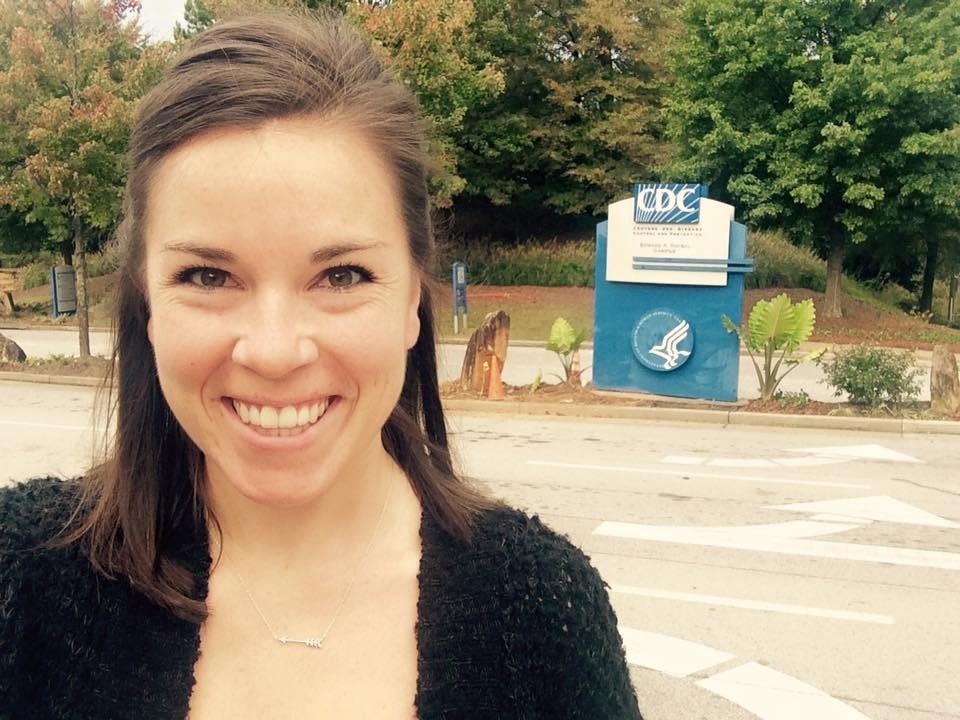
Walking onto campus that day, I felt as if I were stepping into the beating heart of public service. Full on electric. People moved with purpose. Conversations were about problems that mattered to families, kids, clinics, and communities. It was alive with urgency, curiosity, advancement, and the shared belief and optimism that good science could make life better for all of us.
I didn’t end up accepting the EIS position. Life took me in a different direction. But about 10 years later, I returned to CDC as a scientific communication advisor to two directors during a period when the agency was struggling through the pandemic. Even before Covid-19, the system was weakened by chronic underfunding, outdated infrastructure, bureaucratic bottlenecks, rising political pressure, and relentless falsehoods. The pandemic pushed the CDC to its limits, and Americans suffered because of it.
Advising CDC then felt like caring for a critically ill patient. You stabilize what you can. You celebrate tiny signs of recovery. You push. You brace. And, like any clinician staring at a body in crisis, you begin to notice every detail, every connection. I saw the system’s complexity and started asking not just how to keep it alive, but what it would take to make it resilient, responsive, and worthy of the trust Americans place in it.
Recovery takes time, and CDC was making headway. But that progress was abruptly undone. Over the past 10 months, the agency has been pushed onto life support amid escalating political interference. Leadership was purged, crucial scientific programs were dismantled, and irreplaceable, hard‑won knowledge was drained as experts were fired or left en masse.
And, now, part of CDC flatlined.
On Wednesday night, a directive from HHS forced the agency to publish scientifically false claims about vaccines and autism—claims the agency itself and scientists across the world had spent decades investigating, and study after study has shown no link. This wasn’t a debate or a misunderstanding, and no new data was
...This excerpt is provided for preview purposes. Full article content is available on the original publication.