Green(land) Politics
At once Inuit, North American, European, and Danish, Greenlanders hold many identifications. Now, Donald Trump wants to scrap the latter two and add a new one: US American.
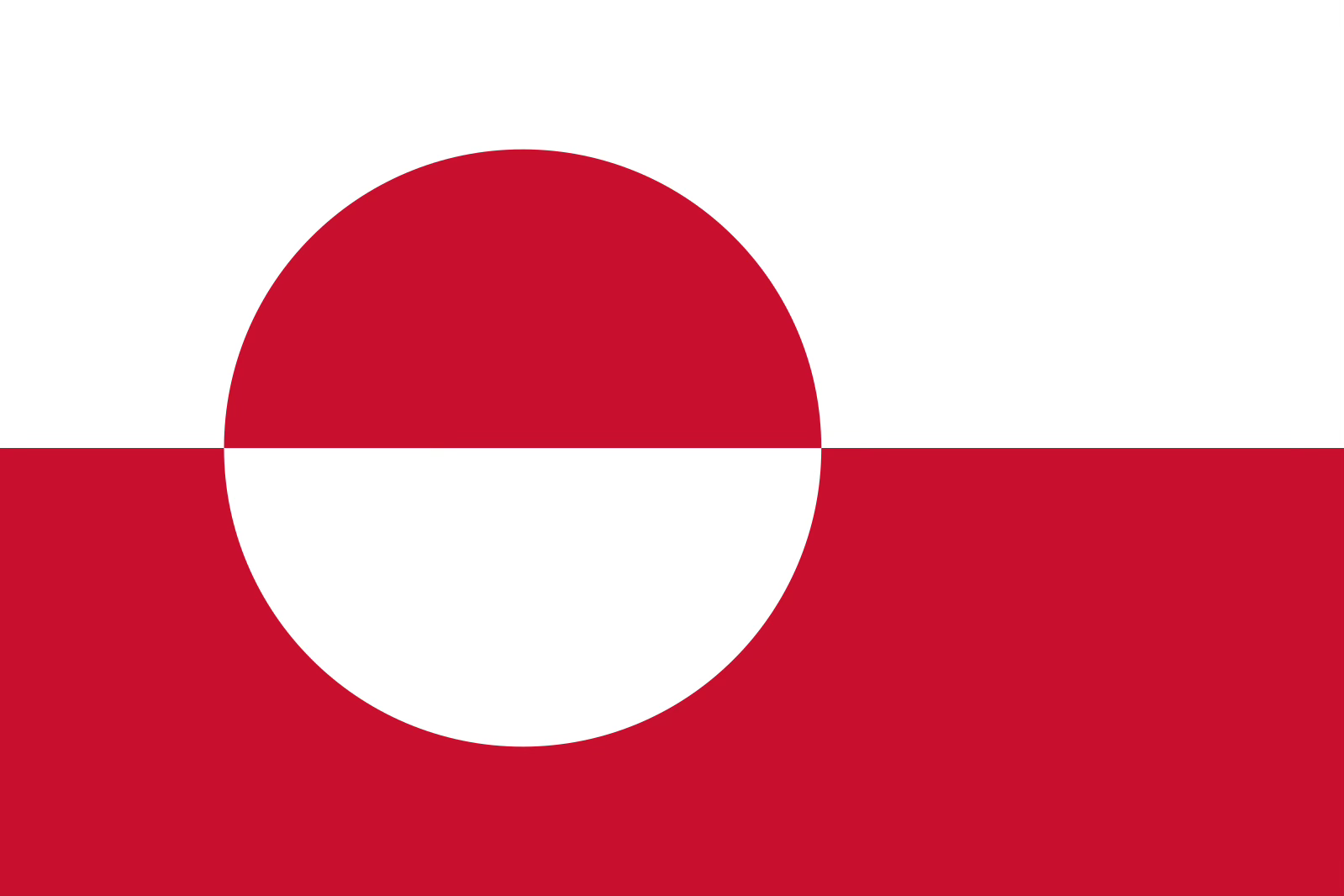

Greenland—an over 2 million square kilometer large island home to 57,000—has become central to the wrangling of great powers for reasons that are linked to climate change. A Guardian article notes, “Greenland’s enormous ice sheet is losing an average of 30m tonnes of ice an hour due to the climate crisis…” The melting ice is revealing numerous minerals that are crucial for advanced technologies, including renewable energy. Infuriatingly, melting ice may also make it possible for Greenland’s oil and natural gas reserves to be tapped. Finally, melting ice in the Arctic Ocean around Greenland has increased the viability of using this area as a shipping route for global trade. The rush to take advantage of a new, speedy trade route and natural resources has led to jockeying for influence between Russia, China, and, increasingly, the United States.
As things stand, Greenland is a semi-autonomous territory of Denmark. But pro-independence sentiment is strong, and Greenland’s Prime Minister Múte B. Egede has called for independence. He said in a speech this year, "Like other countries in the world, we must work to remove the obstacles to cooperation – which we can describe as the shackles of colonialism — and move forward.”
A Politico article notes that should Greenland become independent, the island may pursue ‘free association’ agreements with a larger state, such as Denmark or perhaps the US—or both. Greenland’s leadership has also signaled support for greater US economic investment in mineral mining.
All in all, Greenland is engaged in a delicate dance between regional and global powers, striving for sovereignty while also trying to secure economic and military support from those who can provide it.
Greenland’s government, led by the pro-independence, environmentalist Inuit Ataqatigiit (IA) party, is attempting a similar tightrope act on the environment. A Reuters article on IA’s 2021 election win states, “The party campaigned against a controversial rare-earth mining project at Kvanefjeld in the south of the island…. Kvanefjeld contains a large deposit of rare earth metals, used to make wind turbines and electric car batteries, but also radioactive uranium, which many fear will harm the country's fragile environment.” Once in power, the government banned uranium mining but supports other forms of mining. Crucially,
...This excerpt is provided for preview purposes. Full article content is available on the original publication.