Reinventing the Antifa Terror Threat
Deep Dives
Explore related topics with these Wikipedia articles, rewritten for enjoyable reading:
-
Domestic terrorism in the United States
13 min read
The article centers on the FBI's classification of domestic terror threats and the legal frameworks around designating groups as domestic terrorists. This Wikipedia article provides crucial historical context on how the U.S. has defined, tracked, and prosecuted domestic terrorism, including the legal distinctions between foreign and domestic terrorist designations that Geltzer references.
-
Lone wolf terrorism
14 min read
Geltzer's key counterargument is that most U.S. terrorist attacks come from 'homegrown lone-wolves' radicalized domestically, not foreign infiltrators. This article explains the phenomenon of lone wolf terrorism, why it's difficult to detect, and the research showing it represents the dominant domestic threat pattern—directly supporting the article's central tension.
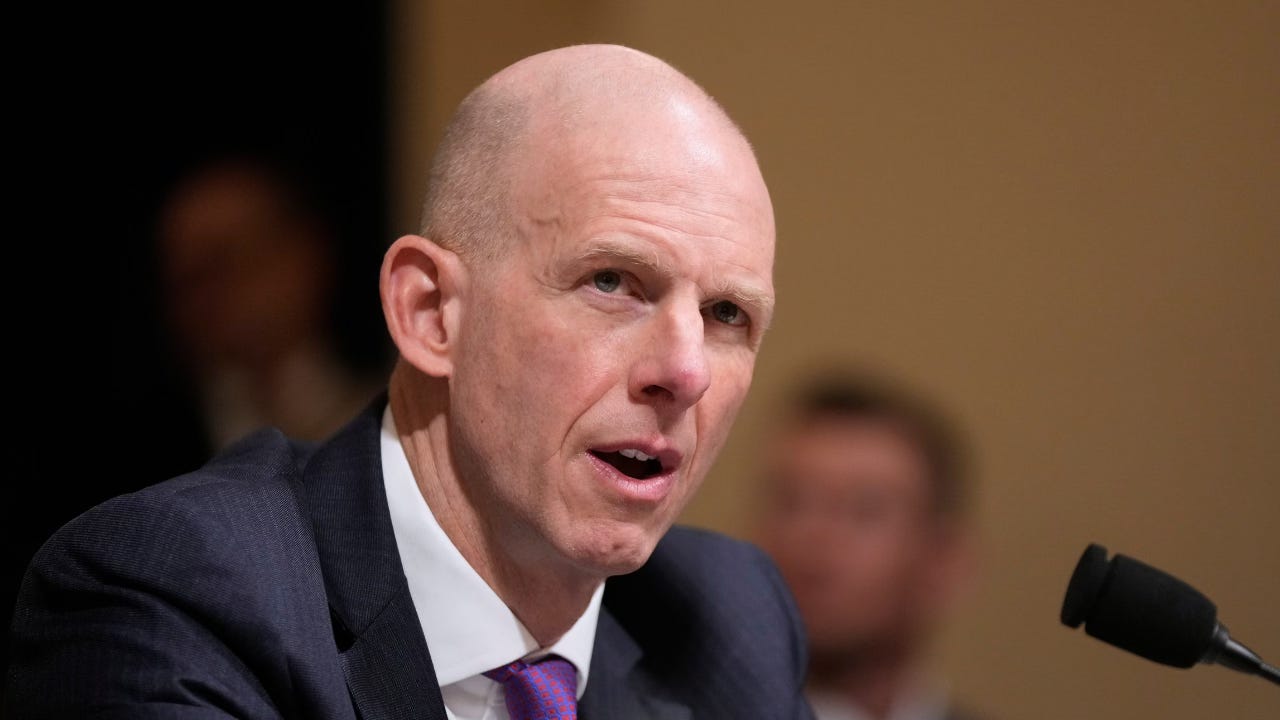
Until this year, U.S. intelligence agencies never briefed White House officials about any potential terrorism threats from Antifa — despite striking testimony from a FBI official Thursday describing the self-styled anti-fascist movement as “the most immediate violent threat that we’re facing,” according to two former top counter-terrorism officials. .
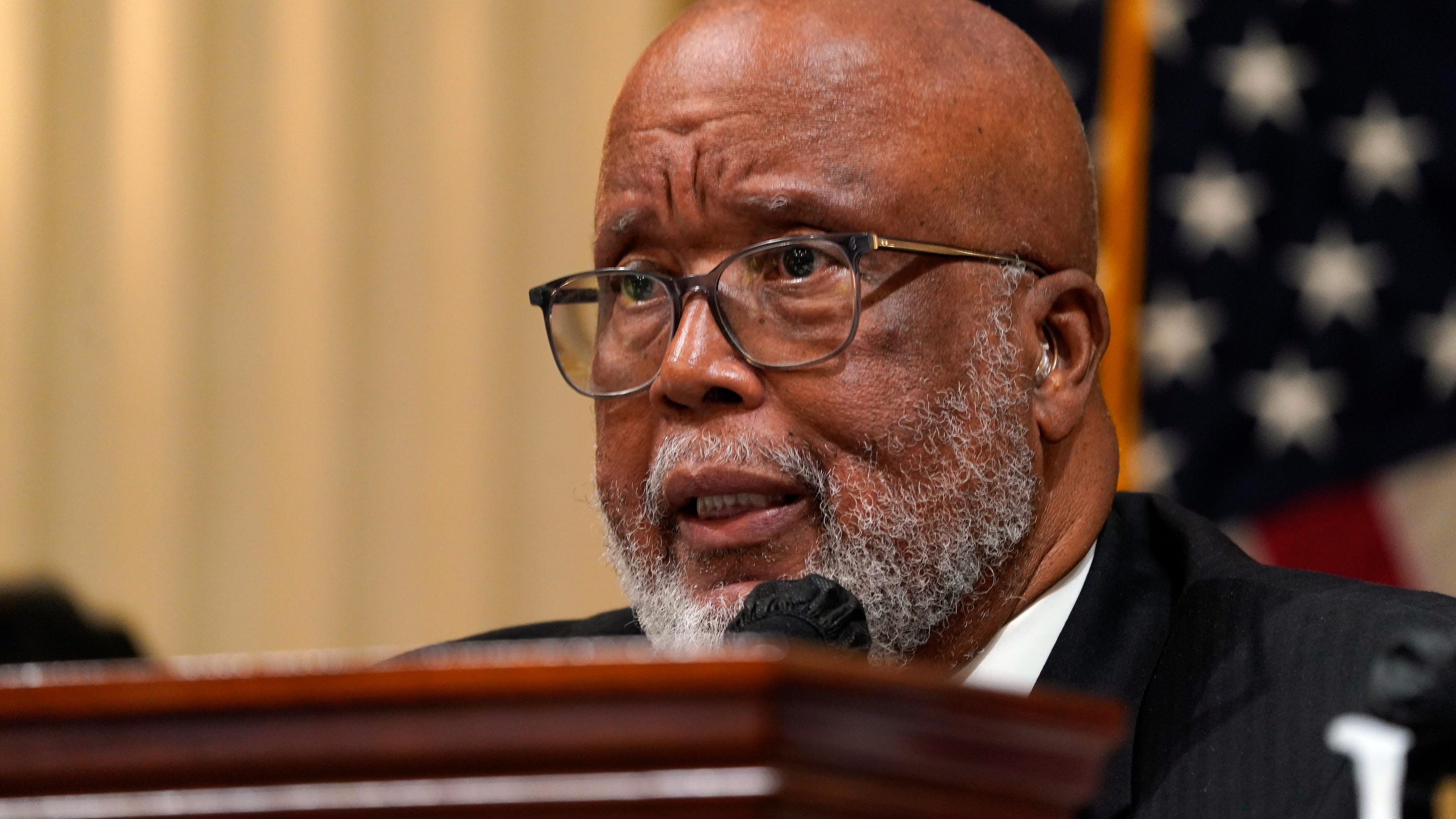
The testimony about Antifa before a House committee by Michael Glasheen, described as “operations director” for the FBI’s National Security Branch, was met with considerable incredulity, especially after he was confronted by questions from Rep. Bennie Thompson (D-Miss) demanding details, such as where Antifa was located and how many members it had.
Glasheen grew flustered and tried to dodge the questions from Thompson, the panel’s top Democrat,, finally saying that the matter was “very fluid” and “investigations are active.”
Among those also puzzled was Joshua Geltzer, who as White House deputy homeland security advisor helped craft the Biden administration’s strategy for combatting domestic violent extremism and later served as legal advisor to the National Security Council.
Speaking on the SpyTalk podcast Thursday, shortly after Glasheen’s testimony, Geltzer was asked whether intelligence professionals had “flagged Antifa” as a threat when he was helping to write the administration’s domestic violent extremism strategy.
“It was not,” he said. “You can go back to that document. You can look at the threat assessment essentially that was provided to us.” And while the strategy listed terrorist groups by categories, “I don’t think you will see among the kind of categories named there, Antifa.”
And for good reason, a former senior FBI official told SpyTalk. Until this year, when President Trump designated Antifa as a “domestic terrorist organization” — calling it a “militarist, anarchist enterprise that explicitly calls for the overthrow of the United States Government”— the FBI did not even consider Antifa as part of its domestic terror matrix. “It’s not even a group,” said the former senior bureau official, who expressed astonishment at Glasheen’s testimony, saying “you got to be fucking kidding me” when first told about what the official had said and later calling his comments “absurd.”
“There’s no organization,”said the ex-official, who asked not to be identified by name. “It’s a bunch
...This excerpt is provided for preview purposes. Full article content is available on the original publication.