Can AI's Sameness Problem Be Solved? This Founder Thinks So.
Deep Dives
Explore related topics with these Wikipedia articles, rewritten for enjoyable reading:
-
Runway (company)
15 min read
The article centers on Cristóbal Valenzuela's insights as CEO of Runway, a $3B+ AI video generation company. Understanding Runway's history, technology, and position in the generative AI landscape provides essential context for evaluating his claims about the 'sameness problem'.
-
Uncanny valley
11 min read
The article discusses how AI-generated content feels samey and lacks distinctiveness. The uncanny valley concept explains the psychological phenomenon where near-human creations feel unsettling—directly relevant to understanding why AI-generated videos and music fail to resonate despite technical proficiency.
-
Auteur
12 min read
Valenzuela repeatedly invokes Christopher Nolan as an example of distinctive creative vision. The auteur theory—that directors imprint unique personal style on their films—is the conceptual framework underlying his argument that tools don't determine output quality, creative vision does.
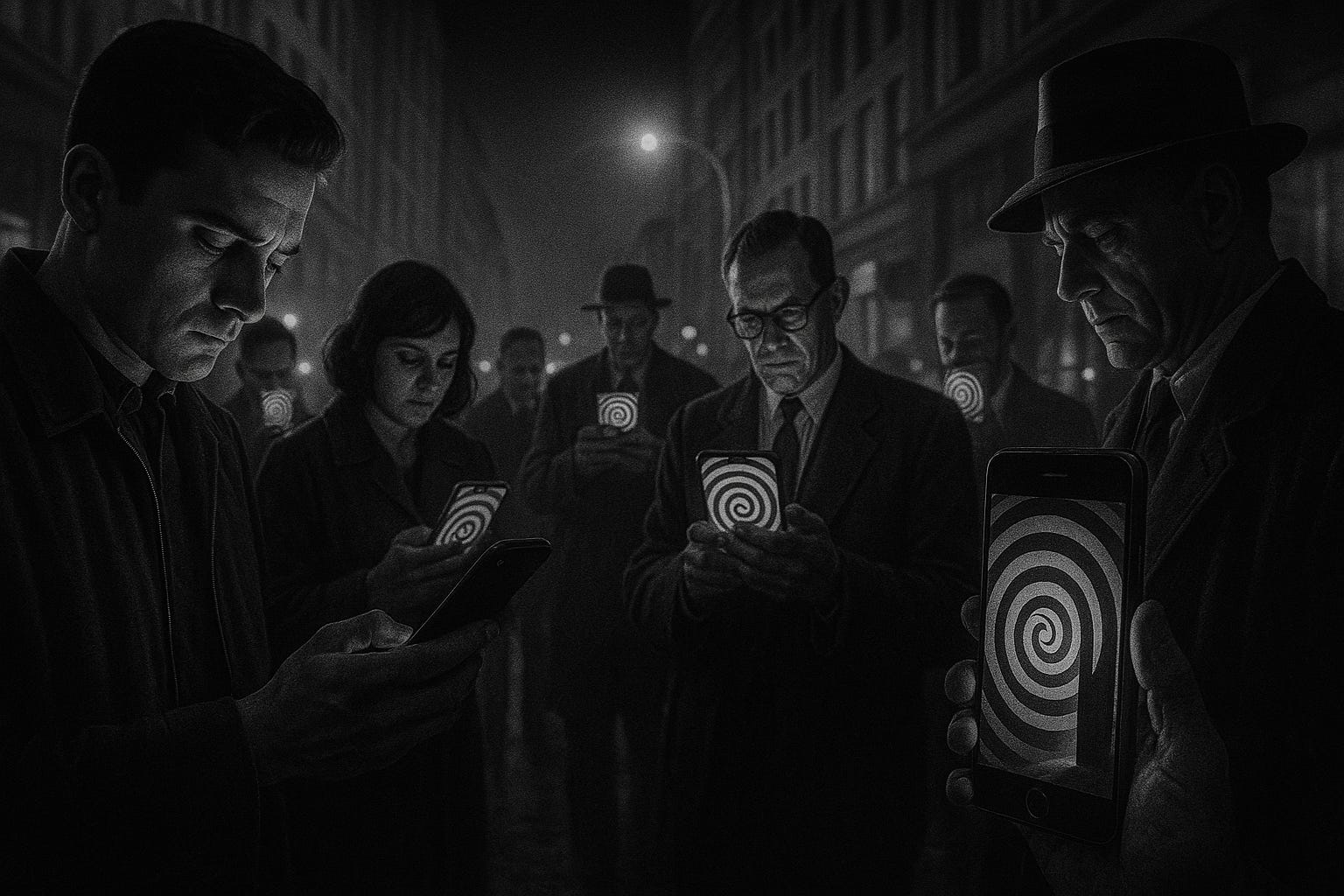
AI generated content tends to look, sound, and feel the same. OpenAI’s Sora videos blend into each other. ChatGPT writes with a characteristic style. Music generators like Suno generate what always feels like the same song, even across genres. This sameness problem for AI may be the single most significant issue holding the technology back from a wider explosion across culture today. But there may be a way around it. If you’re willing to do the work.
AI’s sameness problem is a product of the way people use the technology, not the technology itself, Cristóbal Valenzuela, CEO of video generation tool Runway, told me in an interview this week.
“If you’re not a filmmaker, I can give you an IMAX camera, the same camera that Christopher Nolan uses, and if I ask you to make a movie or shoot, you probably won’t match what he can do,” Valenzuela said. “And so that is not a representation of how good the camera is, the technology is. It’s a representation of the creative vision, or the artistic idea that you have behind it.”
Runway is a video generation tool valued above $3 billion, so Valenzuela’s fortunes are riding on its ability to churn out distinct content. It’s not as easy as writing a great prompt, he told me, and the technology’s capabilities are probably being underestimated due to the high volume of content from amateurs.
AI content generation tools have put the power to create in the hands of many people who’ve never thought through the creative process before. This itself is not a bad thing, and it may indeed lead to a proliferation of interesting new work from artists — professional and aspiring — who can create more with less effort and capital. But there’s a flip side.
“Being Christopher Nolan is very hard,” Valenzuela said. “It takes time. It takes iteration. Getting a camera and pressing record is very easy. Anyone can do it. I think AI is lowering the barriers of making stuff altogether. Anyone can make anything, right? So a lot of people make just bad stuff.”
To Valenzuela, the prompt is effectively the shutter: The final step after you think through the story, the art reference, the camera angles, and the nitty-gritty of filmmaking. “Pressing the button is the easiest part,” he said.
Before the prompt, Valenzuela said, diligent use of the context window is key
...This excerpt is provided for preview purposes. Full article content is available on the original publication.