Trump’s Wars
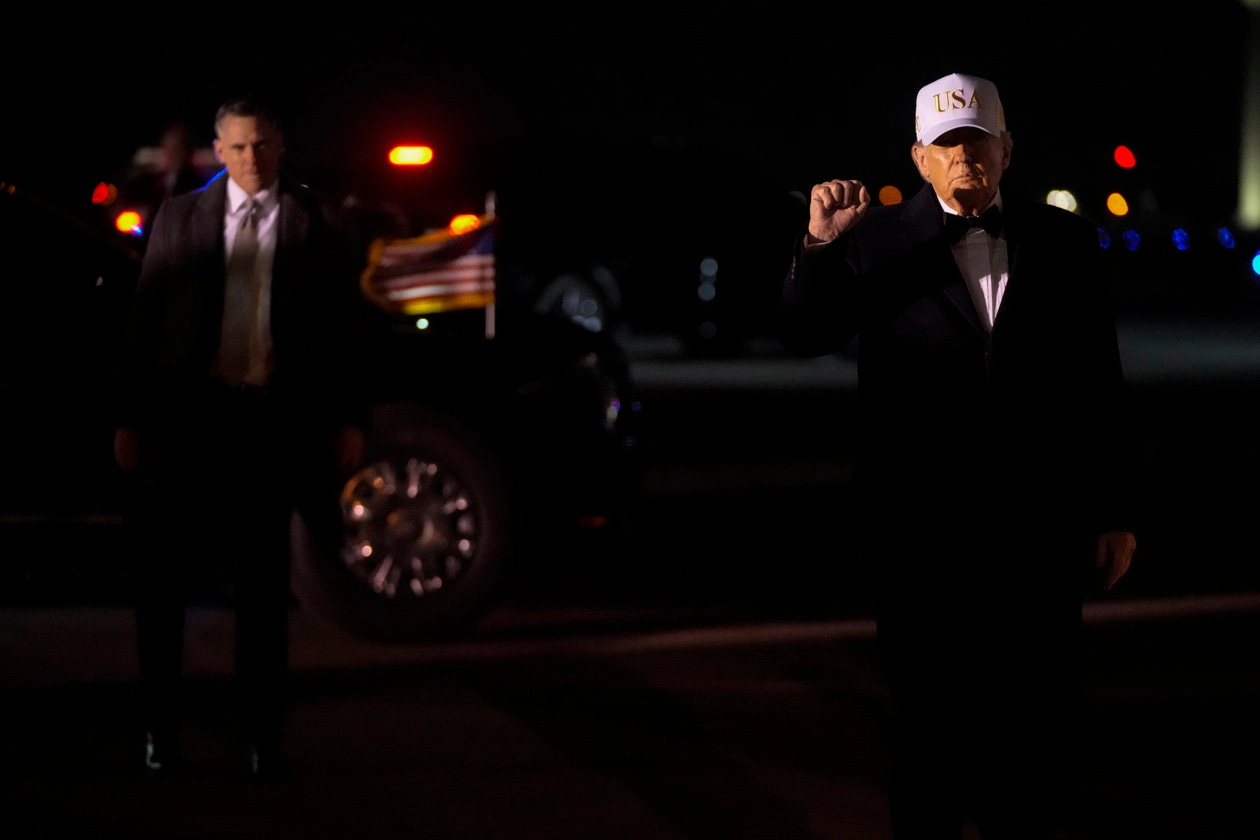
Trump’s foreign policy is coming into clearer focus, as his attacks on Venezuela and his threats against Columbia, Mexico, Cuba and Greenland have escalated. Despite his recent claim that he won’t use force against Greenland, Trump is pursuing wars that he promised US workers that he would reject as part of his populist agenda. His real political and economic agenda intertwines wars against enemies at home and abroad, both called criminals and terrorists. The current liberal Democratic and mainstream critique lacks the genuine populist perspective essential to critiquing and defeating these twin wars.
Most critics argue that Trump’s policies are wrong because they break the US commitment to the “rules-based international order” since World War II that kept the peace among great powers. Mainstream and liberal Democrats, as well as many neoconservatives, repeatedly make this argument, usually with a defense of NATO. It disregards the real causes of US militarism operating both in foreign and domestic policy.
The liberal and broader mainstream US critique belies the entire story of the international order after World War II, reinforcing the hegemonic ideology that the US was committed to international rules keeping the world safe and democratic. The alleged rules in place provided the veneer of secure international order, while masking the reality of a US-dominated world order. The US engaged in endless interventions in Central and Latin America, the Middle East and Southwest Asia, all in the name of deterrence and democracy protection against the Soviet Union or Islamic terrorism. But no international rules governed or curbed these interventions; instead, the US pursued its own interests—whether in Vietnam, Chile, Iraq, El Salvador or Afghanistan—that were mainly economic, buttressed by support from NATO allies and unopposed by Western leaders preaching the rules of the international order.
True, no hot wars broke out between the US and the Soviet Union or the US and China; this is touted as the aim and success of the US rules. But the 1962 Cuban missile crisis almost became a nuclear war between the US and the Soviets, as did the 1973 Israeli-Arab war. The avoidance of Great Power war was more a result of luck than any rules of the system. The system encouraged economically-driven US interventions that always
...This excerpt is provided for preview purposes. Full article content is available on the original publication.