The ethics of the Navy SEALs
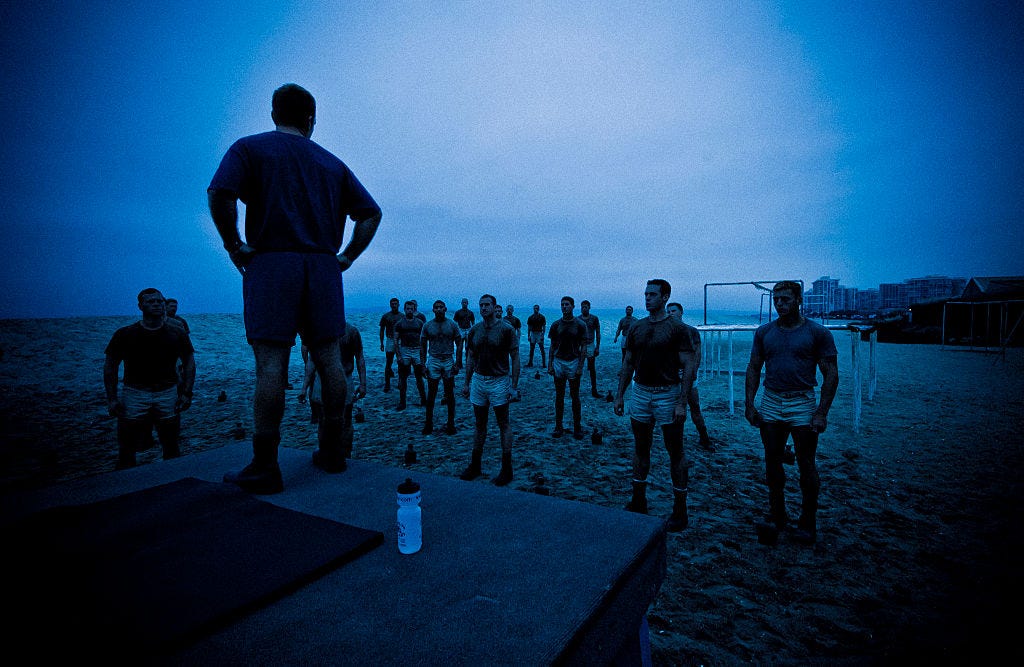
SPEND ENOUGH TIME AROUND THE MILITARY and you’ll hear warnings about “skylining” yourself.
In combat, it means not walking conspicuously on hilltops and ridges, which can attract enemy attention. The phrase usually implies avoiding unethical, illegal, or immoral acts that will get you on the “skyline” of higher-ups or the press. And the Navy SEAL community—an active-duty force of about 2,500 elite commandos—has often been on the skyline.
“War crimes, drug use, sexual assault on deployment, and homicide are just some of the charges against active-duty SEALs in recent years,” wrote Matthew Cole, journalist and author of Code Over Country: The Tragedy and Corruption of SEAL Team Six, in an article published in February at The Intercept:
“In a span of two years, two SEAL Team 6 operators killed a Green Beret while deployed to Mali; a group of SEALs turned in their platoon chief, Eddie Gallagher, accusing him of an array of war crimes, including the stabbing death of an unarmed, injured Islamic State fighter; rampant drug use was discovered in an East Coast SEAL unit; and an entire SEAL platoon was sent home from a deployment to Iraq after military leaders learned that they’d been drinking excessively and one of the operators was accused of sexual assault.”
More recently, an article in The New York Times exposed a “culture of brutality, cheating and drugs” during initial SEAL training at BUD/S, or Basic Underwater Demolition/SEAL. The August exposé came after a candidate died in training; officials uncovered drugs in his car and found about 40 others using drugs to pass the grueling course.
“What am I going to do with guys like that in a place like Afghanistan?” a senior SEAL leader told The Times. “A guy who can do 100 pull-ups but can’t make an ethical decision?”
The case remains under investigation, but the SEALs have been here before: Scandal erupts, officials promise to reform and institute changes, and the world moves on… until the next scandal. Such was the case in late 2004 when incidents of “drug and alcohol abuse, sexual misconduct, domestic violence, and physical altercations caused the removal of 33 SEALs from service” over 15 months, wrote Naval Academy researchers. “It was recognized by many in the community that these losses exceeded those lost in combat in
...This excerpt is provided for preview purposes. Full article content is available on the original publication.