The Rise of 'Father and Daughter'
Welcome! This is a new edition of the Animation Obsessive newsletter, and here’s the agenda for today:
1) About the fame of Father and Daughter.
2) Animation newsbits.
A note before we start: the former head of Cartoon Brew, Amid Amidi, is now on Substack. His first post is a great one about Disney’s Ward Kimball and the problem of unfulfilling work.
Now, let’s go!
1 – Joining the canon
In late 2006, Studio Ghibli sent an email. The addressee was an animator based in London, and the contents were brief and direct.
“They said they liked my short film … and said if I was thinking of making a feature film, they would love to do it together,” recalled the animator. “That’s all, bang, in one little paragraph.”1
His name was Michael Dudok de Wit, and he became the first foreigner to make a movie for Ghibli: The Red Turtle (2016). The opportunity was huge — kind of unimaginable. Dudok de Wit was a creator of low-budget independent shorts, and the studio’s query arrived with no warning: “it was so bizarre I couldn’t believe it.”
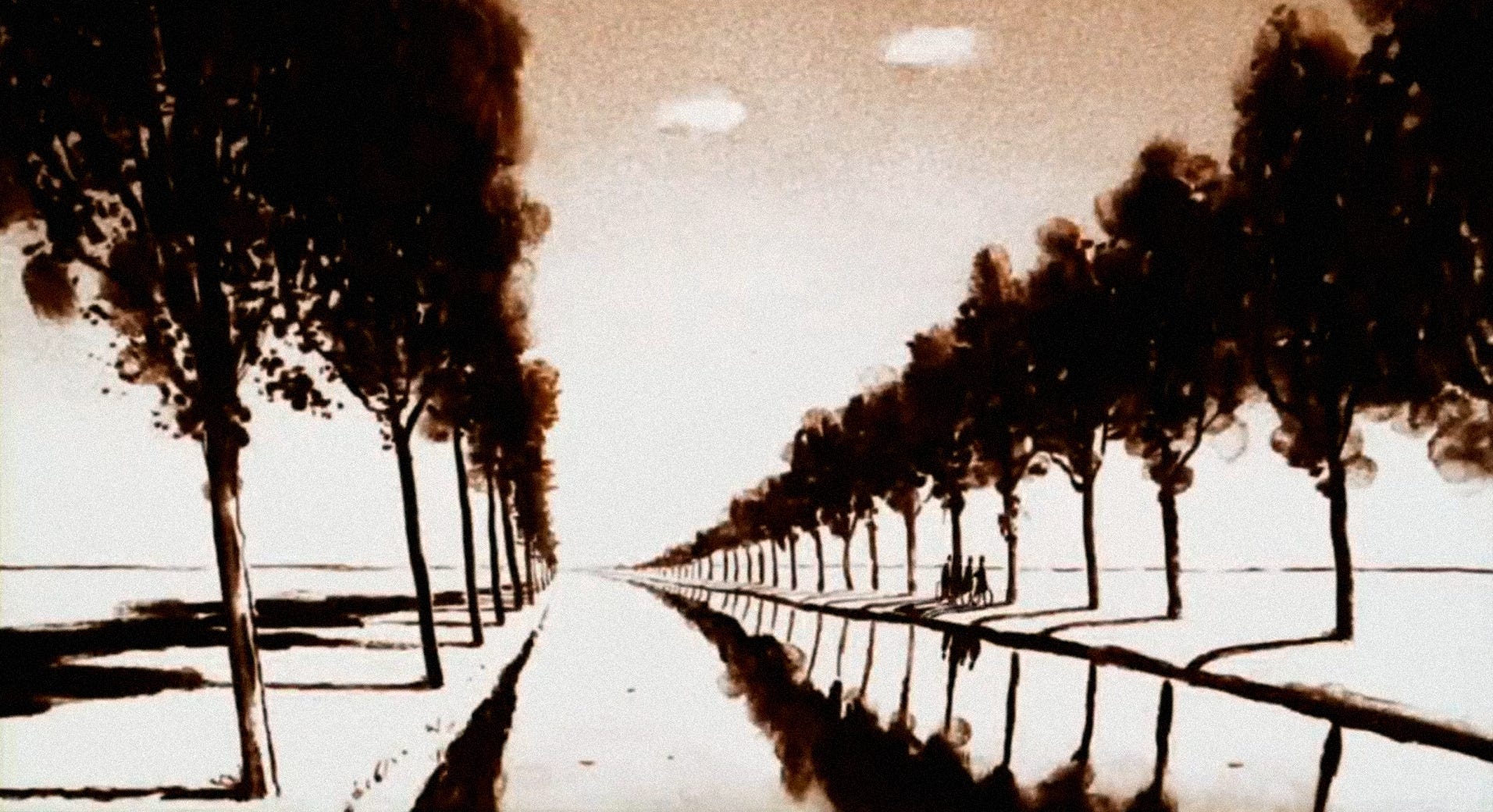
The short that’d grabbed Ghibli’s attention was Father and Daughter, winner of the 2001 Oscar. It wowed the studio: producer Toshio Suzuki watched it many times. He adored it, as did Hayao Miyazaki.2 Isao Takahata first saw it on TV in the early 2000s and was caught off guard. As he once said:
It was a very pleasant shock, and I was deeply impressed. This must be the best of the best short animation, I thought. I immediately watched it again and again on video. I cannot begin to guess how many times I have seen it. Everything about this work is impressive.
Takahata spent years lecturing on Father and Daughter and the layers it contains. Toward the end of his life, he said that he wanted to write a book about it. The film is a “masterpiece,” he argued, that “moves every kind of audience.”3
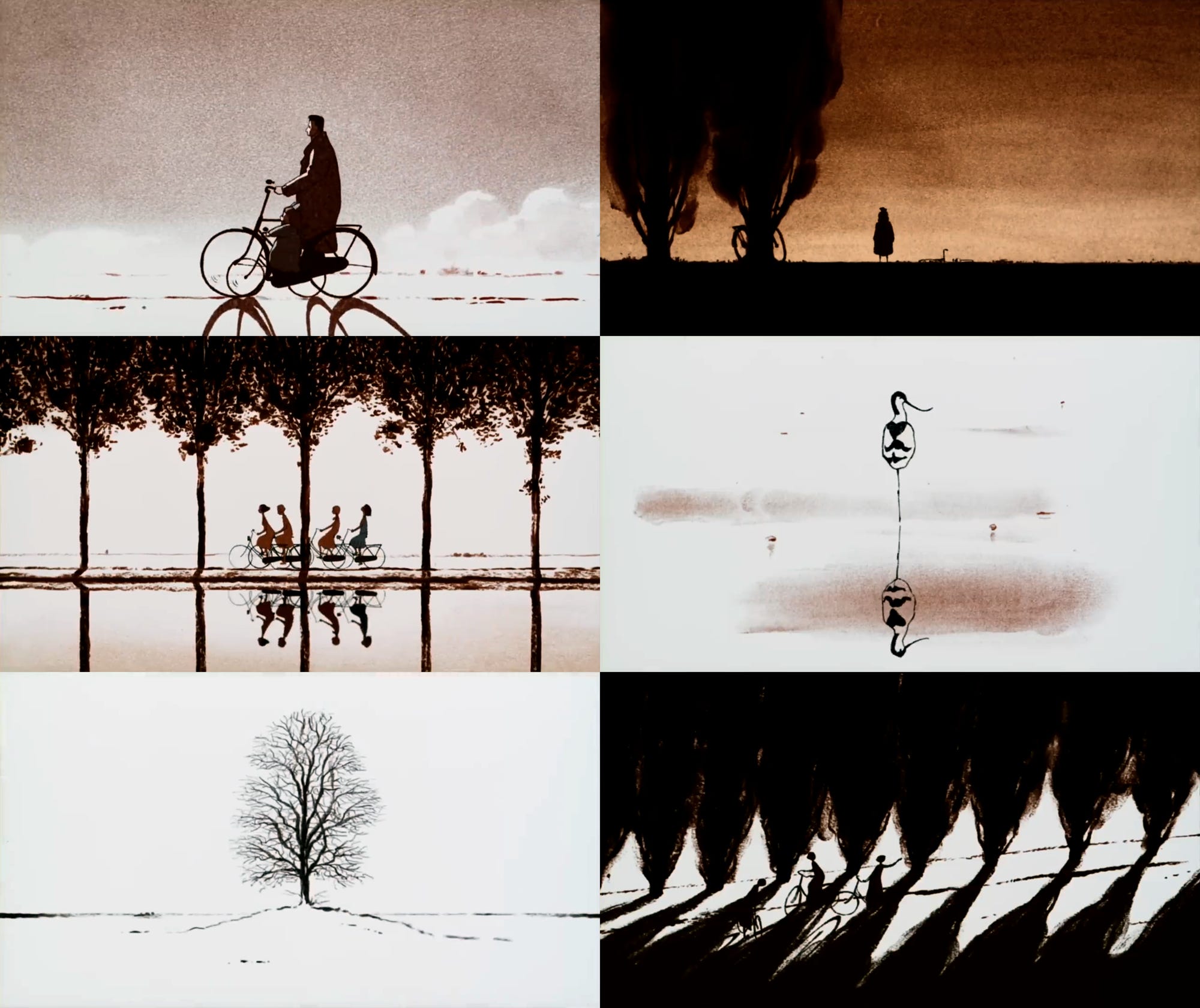
The Ghibli people weren’t outliers in their love of Father and Daughter. Neither was the Academy. The film swept in the early 2000s, around the world. One writer noted that it won “the Grand Prix [at] every possible festival at which it
...This excerpt is provided for preview purposes. Full article content is available on the original publication.