Why Does No One Know What This Is?
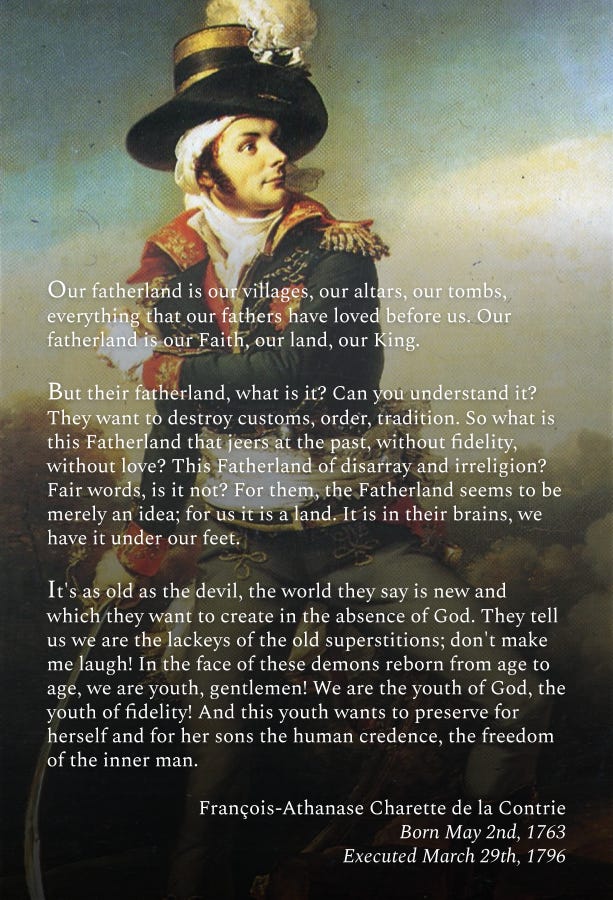

If you took a general survey of American “conservatives” I would contend the vast majority would support the two quotes above. One is from a Frenchman fighting the Jacobin French Revolution and the other an integral Founding Father of America who preached fervently about breaking away from the British Crown. The problem here is that the two messages pictured above are diametrically opposed. Why? The top is expressed from a Traditionalist/Christian presupposition and the other is from an Enlightenment/Deist presupposition.
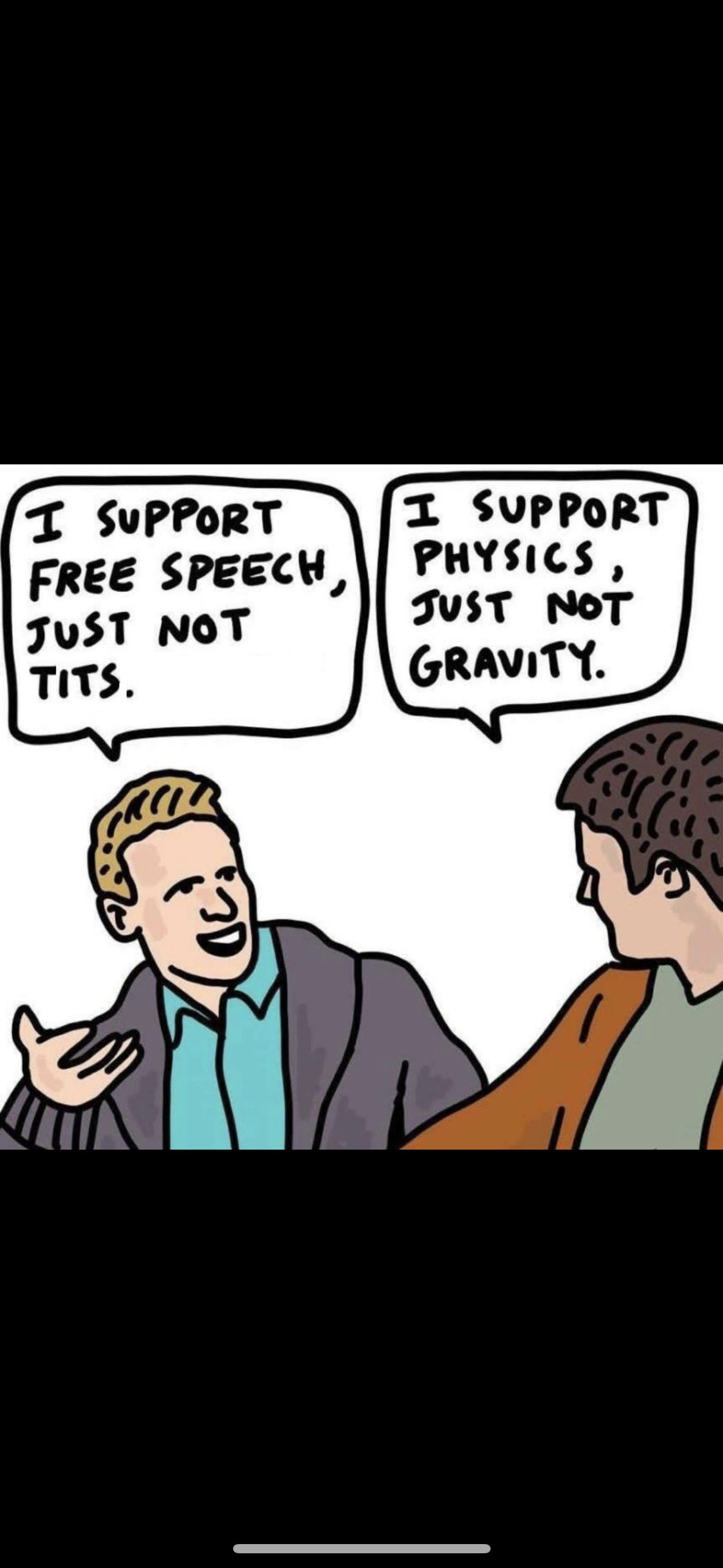
Currently in our times “the Right” is hard to define or pinpoint, the main reason for this is the “conservative” lives in a world of doublethink. They love their Bible and whatever brand of “Christianity” that soothes their pallet while at the same time always falling back on the Constitution and Bill of Rights when faced with a social ill or government corruption. They condemn the leftist for their insane promotion of trans or gay rights and their defense of sex change operations for children but also fully support “free speech”. These types always feel the walls closing in on them but always resort to the same ideas that got them there in the first place. Reevaluation seems to be impossible.

The wake up call the American “conservative” needs is the realization they are classical liberals and not conservatives, in the real and classical sense of the word. Over the decades and particularly post WW2, we have been programmed to believe these two concepts to be synonymous. Let’s look at the presuppositions or a concept assumed to be true at the beginning of a line of argumentation of both political views. To make something clear, everyone has a presupposition. It is not possible to possess any knowledge in the first place or form an argument without one. Not having a presupposition would be a presupposition, its fundamentally contradictory.
Enlightenment-Man’s intellect is the starting point, man is the apex of life. Reason alone makes sense, creates and brings order to the universe. Empiricism, rationalism, nominalism, materialism, scientism, Thomism, biblical higher criticism are all related to this presupposition. Truth can only be discovered. Man is illumined by exploration and contemplation of the mind and sense experience. But since nominalism (man placing names to things, nothing having inherent meaning) is mainly where Enlightenment thinking arose from, it would follow that man would actually invent truth which would mean truth does not
...This excerpt is provided for preview purposes. Full article content is available on the original publication.