Take the Masks Off
Deep Dives
Explore related topics with these Wikipedia articles, rewritten for enjoyable reading:
-
French Resistance
19 min read
The article explicitly draws an extended analogy between contemporary American political resistance and the French Resistance during WWII, referencing La Résistance, Combat journal, Albert Camus, and De Gaulle's victory parade. Understanding the actual history enriches the comparison.
-
Federal Reserve
14 min read
The article's opening focuses on the conflict between Trump and Fed Chair Jerome Powell over interest rates and alleged criminal threats. Understanding the Fed's structure, independence, and historical role in monetary policy provides essential context for this constitutional confrontation.
For his entire second term, Donald Trump has been grousing about Fed Chair Jerome Powell’s resistance to cutting interest rates, but he has always stopped short of actually trying to run Powell out of office—until now. On Sunday, the Federal Reserve released a direct-to-camera video from Powell. In it, he said the Department of Justice has served the Fed with subpoenas and threatened a criminal indictment over alleged cost overruns for renovations at the Fed building. It’s an excuse Trump has been using for going after Powell since last summer.
In his video, Powell—who has gone about his business and ignored Trump’s increasingly ominous rhetoric for a year—dropped all pretense. “This new threat is not about my testimony last June or about the renovation of the Federal Reserve buildings. It is not about Congress’s oversight role; the Fed through testimony and other public disclosures made every effort to keep Congress informed about the renovation project. Those are pretexts,” Powell said. “The threat of criminal charges is a consequence of the Federal Reserve setting interest rates based on our best assessment of what will serve the public, rather than following the preferences of the president.” And here’s the thing: No one is really disputing it. Happy Monday.
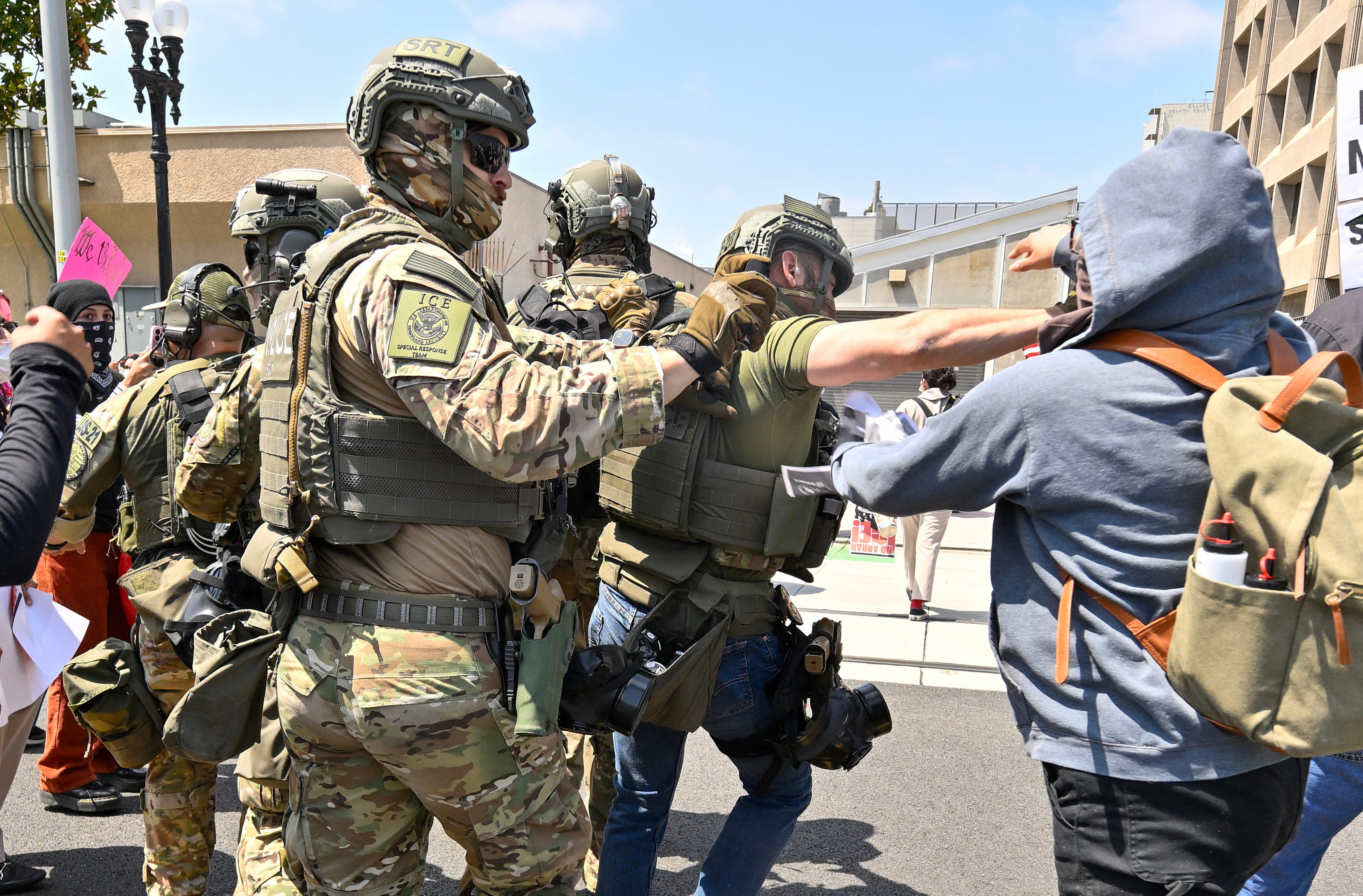
Masks, Courage, and Accountability
by Mark Hertling
Between my two tours in Iraq, first in 2003–2004 and then in 2007–2008, one of the more subtle changes I saw in the Iraqi Army and Iraqi Police that U.S. forces were helping organize and train had to do with masks. During my first tour, many of the police recruits and the young soldiers—jundi—wore scarves pulled high across their mouths and noses, sometimes a traditional shemagh or keffiyeh, sometimes whatever cloth they could find. Those face coverings weren’t about intimidation. They wore them due to fear and a lack of courage. Cowardice.
Early on, these men were joining a fragile security force, and they were new to their mission. They understood that insurgents would target anyone cooperating with Americans. They also believed their families would be threatened. Covering their faces, masking their very identity, was a form of survival.
But things changed as security improved and legitimacy began to take hold across
...This excerpt is provided for preview purposes. Full article content is available on the original publication.