Science in Danger with Dr. Katie Lotterhos (with a note from a prospective graduate student)
Deep Dives
Explore related topics with these Wikipedia articles, rewritten for enjoyable reading:
-
Lysenkoism
11 min read
Historical parallel to political interference in science - Soviet suppression of genetics under Stalin provides sobering context for how government censorship of scientific terminology and funding cuts can devastate research for decades
-
Office of Technology Assessment
13 min read
Historical example of U.S. scientific advisory body that was defunded in 1995 - directly relevant to understanding patterns of political decisions affecting science infrastructure and the long-term consequences
-
Vannevar Bush
19 min read
Architect of modern U.S. science funding through his 1945 report 'Science, The Endless Frontier' which established the NSF model - essential context for understanding the federal science funding system now under threat
Science in the U.S. is in grave danger. Funding cuts, censorship of scientific terms, travel restrictions, and the accompanying uncertainty that comes with all of these problems are bringing much of the scientific machinery in the United States to a halt. Not only are these actions having devastating effects on major scientific research projects, the rate at which such actions are being taken are making it difficult to track their full impact. Dr. Katie Lotterhos, an associate professor at Northeastern University and our most recent guest on Big Biology, is aiming to change that.
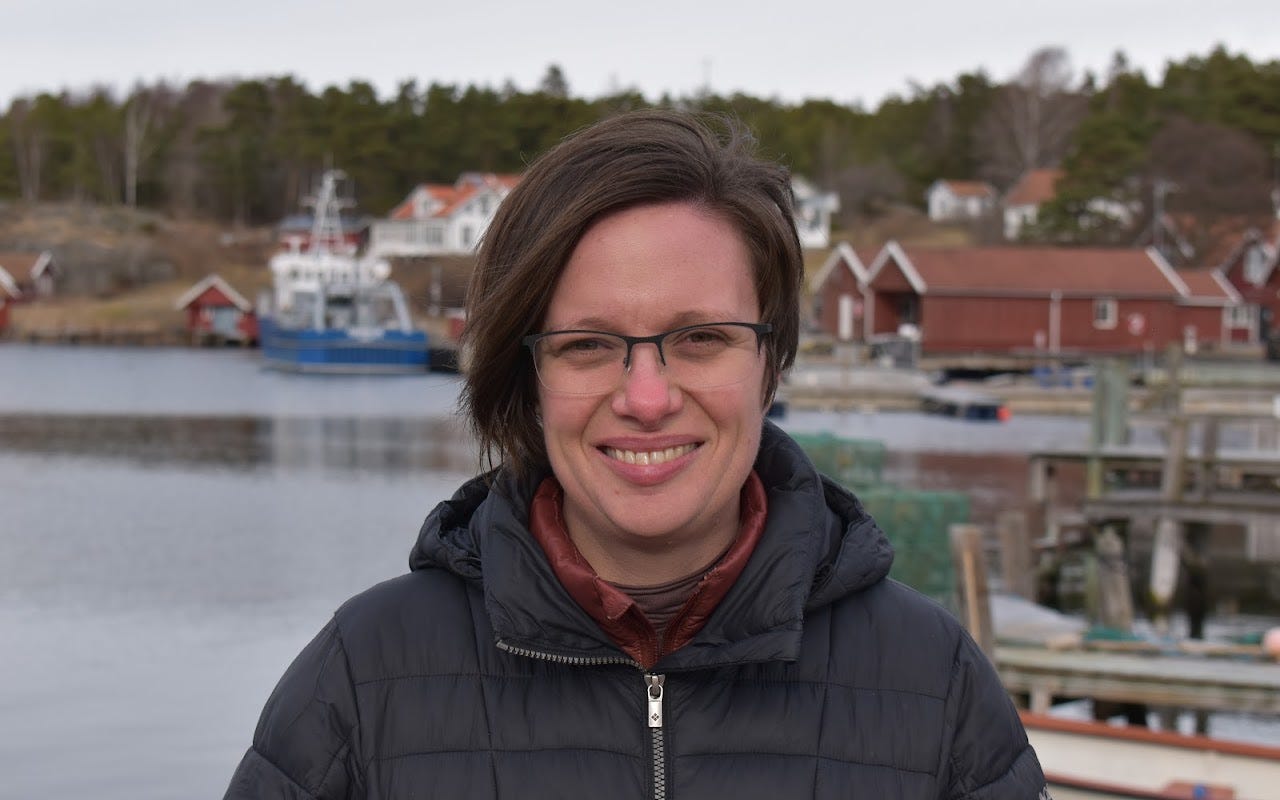
As the secretary for the American Society of Naturalists, Lotterhos helped coordinate and implement a survey of scientists from all sectors—academia, government agencies, non-profit organizations, and industry—to understand the impacts of the Trump administration’s policies on ecology, evolution, marine science and environmental science. “I see [the survey] as a snapshot in time that in 5 years or 10 years, we can look back to and say we have this evidence that things changed dramatically at this time point,” Lotterhos explains in the episode. “We can… use [the survey] to justify that…in the future, we’re going to need more resources to get back to where we were before.”
While the data in the survey will certainly be an important historical reference, for Lotterhos, “the goal of the survey was more to give people a platform to share their stories,” she says. “I wanted to provide them with a voice when they didn’t feel comfortable speaking out themselves.”
Nearly 1400 scientists completed the survey. The responses paint a sobering picture of the damage inflicted on science since January. Lotterhos and her team received accounts describing projects stalled, partnerships severed, and language constrained. One federal scientist reported receiving a “banned word list” that prohibited the use of words such as, “climate change, climate science, clean energy, solar power, affordable home, low income housing, runoff, microplastics, water pollution, and safe drinking water” among a much longer list that included a total of 48 terms that are routinely used in scientific grants and papers.*
Others described how funding freezes and administrative restrictions halted urgent public health and environmental projects. “My team was awarded funding to respond to a disease that threatens to devastate the pork industry,” one wildlife researcher wrote. “Despite having the expertise, infrastructure, and urgency to act, we were
...This excerpt is provided for preview purposes. Full article content is available on the original publication.