Better hockey, fewer miracles
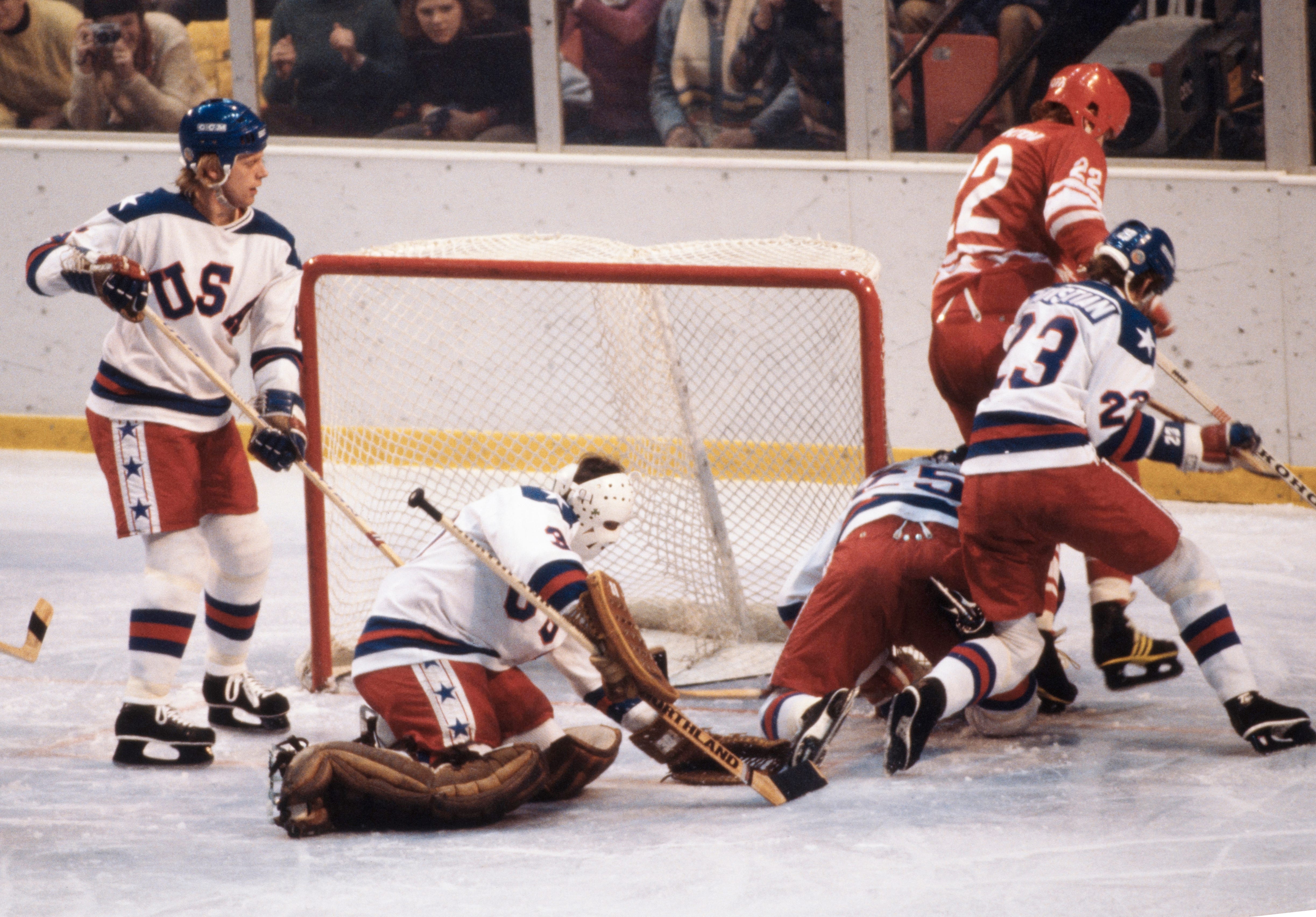
The 2026 Milan-Cortina Winter Olympics will feature athletes who are millionaires, Instagram influencers, and employees of multinational corporations. None of this would have been possible 40 years ago because, in addition to the comparably recent advent of social media, until the 1980s the Olympic Games were reserved for amateur athletes.
In 1984, if you accepted free ski equipment from a manufacturer, you could lose your Olympic eligibility. By 2026, the athletes who do not have equipment sponsors are the oddities. Those who are predicted to be top competitors at the Olympic level have almost certainly already been identified and sponsored by some company like Nike or Red Bull or Toyota. There are plenty of exceptions, though, including Stephen Nedoroscik, a.k.a. the “pommel horse guy,” who emerged in 2024 as a dark horse and won a bronze medal with very little prior public notice.
The professionalization of the Olympics happened quickly and with remarkably little public debate. But the shift from amateurism went beyond just allowing athletes to make money. It fundamentally changed what the Olympics are, who competes, and what we’re watching.
Amateurism’s last stand
The 1988 Calgary Winter Olympics marked the end of the era of amateurism.
Tennis had already gone professional at the Summer Games in Seoul that same year, with German Steffi Graf achieving the first-ever “Golden Slam” when she won a gold medal in addition to all four major tournaments. Winter sports had held out longer, though. The reasons were partly ideological and partly practical, in that many winter sports had smaller audiences and more limited commercial appeal, so there wasn’t as much money to professionalize anyway.
But the old amateur rules were byzantine and increasingly absurd. Figure skaters could perform in ice shows but could not be paid, instead receiving reimbursements for “expenses.” Some athletes developed workarounds where equipment manufacturers would pay money into trust funds managed by national federations. The rules created a system where countries with state sports programs — particularly the Soviet Union and East Germany — had a massive advantage because their athletes received support that was not technically payment.
When the International Olympic Committee finally abandoned amateurism in the early 1990s, the stated rationale was leveling the playing field. If Eastern bloc athletes were effectively professionals funded
...This excerpt is provided for preview purposes. Full article content is available on the original publication.